
4×8 Chicken Coop: Top 10 Free Plans
Why Building a 4×8 Chicken Coop Is the Perfect Starting Point
A 4×8 chicken coop provides 32 square feet of interior space, which is the optimal footprint for housing a standard backyard flock of 8-10 chickens. By following the industry-standard guideline of 3-4 square feet per bird, this size offers a balance between flock comfort and yard efficiency. It provides ample room for essential interior features like roosting bars and nesting boxes without requiring a massive construction budget.
Quick Answer: Technical Specifications for a 4×8 Chicken Coop
- Capacity: 8-10 chickens (at 3-4 sq ft per bird)
- Egg Production: Potential for 40+ eggs per week from a mature flock
- DIY Material Cost: Estimated $500-$800 depending on lumber grades
- Construction Timeline: 1 to 2 weekends for intermediate DIYers
- Critical Interior Features: 12 linear feet of roosting space, 3 nesting boxes, and cross-ventilation
- Run Requirements: Minimum 80-100 sq ft of attached outdoor space
The 4×8 footprint is highly efficient because it aligns with standard building material dimensions. A single sheet of 4×8 plywood serves as the entire floor, and wall framing can be optimized for 8-foot lumber lengths to minimize waste. This structural efficiency makes it the most cost-effective starter size for those transitioning from small pre-fabricated coops to a permanent backyard structure.
Successful coop construction requires fundamental carpentry skills similar to building a garden shed. However, specialized features are necessary for avian health. Roosting bars must be positioned 12-18 inches from the walls to prevent feather damage, and ventilation openings must be secured with 1/2-inch hardware cloth rather than standard window screening to ensure predator mitigation.
Experienced builders often note that while a 4×8 structure may appear narrow in blueprints, the vertical space and layout efficiency provide a surprisingly roomy environment for maintenance. The key is balancing chicken biology with human accessibility, ensuring the door is large enough for easy cleaning and the nesting boxes are accessible from the exterior for daily egg collection.
Essential Design Features for Backyard Poultry
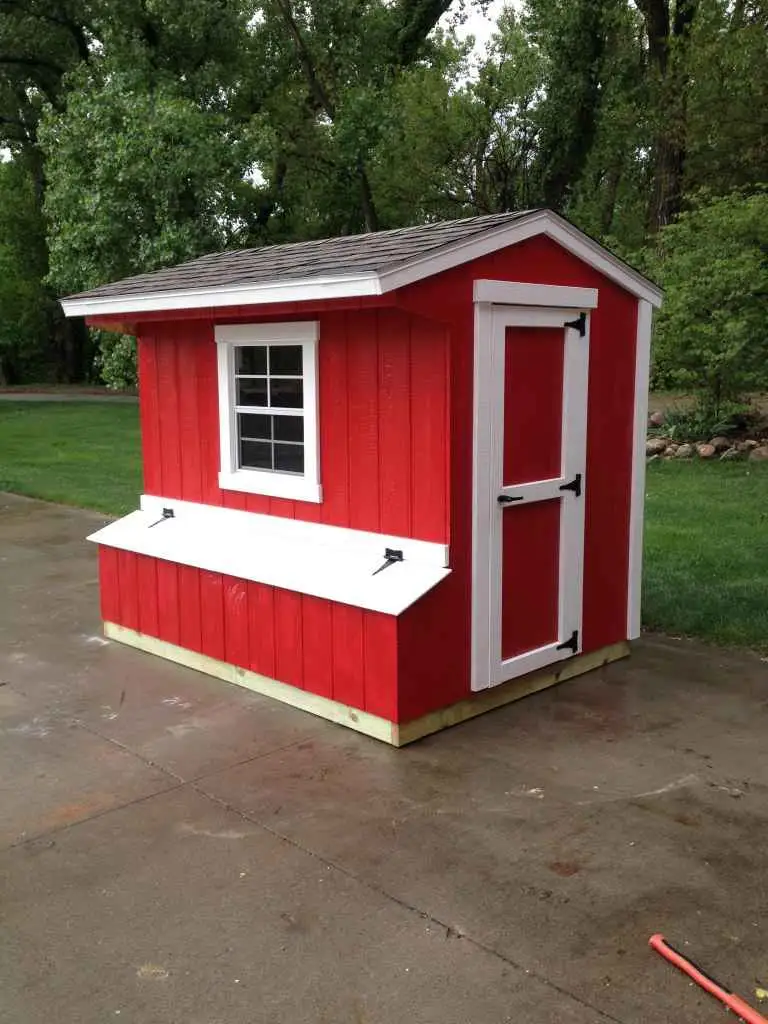
Understanding how a footprint translates into bird health is vital for long-term success. While smaller coops are common, the 4×8 chicken coop serves as a strategic “sweet spot.” Many keepers start with a small flock of four birds but find that the 32-square-foot space allows for easy expansion as they become more comfortable with poultry management.
| Coop Size | Total Square Footage | Max Capacity (4 sq ft/bird) | Recommended Run Size |
|---|---|---|---|
| 4×4 | 16 sq ft | 4 Chickens | 40 sq ft |
| 4×6 | 24 sq ft | 6 Chickens | 60 sq ft |
| 4×8 | 32 sq ft | 8-10 Chickens | 80-100 sq ft |
The “3-4 square foot rule” is the standard for indoor coop space. In climates with harsh winters or heavy rain, birds may be confined indoors for extended periods. Providing the full 4 square feet per bird prevents stress-induced behaviors like pecking.
If you utilize a large chicken coop enclosure or allow daily free-ranging, the capacity can be slightly higher. For those seeking immediate solutions, premade chicken coops that deliver offer professional-grade engineering without the labor of a custom build.
Space Requirements and Capacity for a 4×8 Chicken Coop
A 32-square-foot 4×8 chicken coop is a high-production environment. A flock of 10 hens can produce over 40 eggs weekly. When planning capacity, consider the specific breed size.
Large breeds like Orpingtons require the 4-square-foot minimum, while smaller bantams may allow for up to 12 birds. Utilizing chicken coop kits for 10 chickens ensures the floor space is sufficient to maintain a peaceful pecking order.
Interior Layout: Roosts and Nesting Boxes
Chickens instinctively seek the highest point for sleeping. To accommodate 10 birds, you must provide at least 12 linear feet of roosting space. A common configuration is two 6-foot bars or a staggered arrangement.
Nesting boxes should be positioned lower than the roosts to discourage hens from sleeping in them, which keeps the nesting area clean. For a flock of 10, three nesting boxes are sufficient, as hens often share a preferred box.
Ventilation and Predator Proofing Strategies
Ventilation is a critical balancing act. You must remove moisture and ammonia without creating direct drafts on the birds. Gable vents and sliding windows are effective, provided they are covered with 1/2-inch hardware cloth.
Standard chicken wire is insufficient for predator defense; it is designed to keep chickens in, not to keep determined predators like raccoons or weasels out. Heavy-duty latches are mandatory, as many predators can manipulate simple sliding bolts.
Building and Maintaining Your 4×8 Chicken Coop
Constructing a 4×8 chicken coop is a rewarding DIY project that typically costs between $500 and $800 for materials. This estimate includes 2×4 framing, exterior-grade siding, and metal roofing. For those beginning their first build, Free 4×8 chicken coop plans provide a reliable structural foundation.
Step-by-Step Assembly of a 4×8 Chicken Coop
_compressed.webp?alt=media&token=0b7e851b-ccc8-45d4-8f14-3990feb8fad0 "How to Build a 4x8 Chicken Coop")
- Foundation and Skids: Level the ground and use pressure-treated 4×4 skids to elevate the coop. This prevents rot and discourages rodents from nesting underneath.
- Floor Framing: Construct a 4×8 frame using 2×4 pressure-treated lumber with joists spaced 16 inches on center. Cover with 3/4-inch treated plywood.
- Wall Studs: Frame walls on a flat surface before raising them. For a shed-style roof, ensure the front wall is taller than the back to create a proper slope for drainage.
- Rafters and Roofing: Install rafters every 24 inches. Metal roofing is recommended for its longevity and low maintenance requirements.
- Siding and Trim: Apply plywood siding and seal with high-quality exterior paint to protect against regional weather elements.
Cleaning and Maintenance Routines
Maintenance efficiency is a hallmark of a well-designed coop. Installing linoleum over the plywood floor creates a waterproof barrier that simplifies cleaning. Many keepers utilize the “deep litter method,” adding fresh pine shavings over old bedding and performing a full clean-out only once or twice a year.
Seasonal checks should include inspecting hardware cloth for gaps, lubricating hinges, and verifying that the roof remains watertight. For those evaluating the long-term value of professional builds, reviewing pricing chicken coops can provide a benchmark for material and labor costs.
Frequently Asked Questions about 4×8 Chicken Coops
How many chickens can a 4×8 chicken coop hold?
A 4×8 chicken coop (32 sq. ft.) typically holds 8-10 standard hens, depending on breed size. A common guideline is 3–4 square feet per chicken inside the coop, plus adequate outdoor run space.
Is a 4×8 chicken coop big enough for winter?
Yes, a 4×8 chicken coop can work in winter if properly ventilated and draft-controlled. Insulation, dry bedding, and moisture management are more important than adding heat in most climates.
What foundation is best for a 4×8 chicken coop?
A level gravel pad or concrete slab is ideal. Elevating the coop on pressure-treated skids also improves drainage, prevents rot, and helps deter rodents.
Do I need a permit for a 4×8 chicken coop?
Permit rules vary by city and HOA. Some areas require permits based on structure size or height, so always check local zoning and backyard livestock regulations before building.
How much does it cost to build a 4×8 chicken coop?
Costs depend on materials, roofing type, and finishes. A basic DIY build may cost less, while upgraded siding, metal roofing, and custom features increase overall investment.
The Long-Term Value of a 4×8 Chicken Coop for Egg Production
Investing in a 4×8 chicken coop provides a safe, 32-square-foot environment that supports the health and productivity of 8-10 hens. By prioritizing essential features—such as 12 feet of roosting space, predator-proof ventilation, and exterior nesting box access—you create a sustainable system for fresh egg production.
Whether you choose a DIY approach using established plans or opt for a professionally engineered structure, the 4×8 footprint remains the gold standard for backyard poultry. For further research on professional options and features, consult a comprehensive guide on pricing for chicken coops to find the best fit for your homesteading goals.