
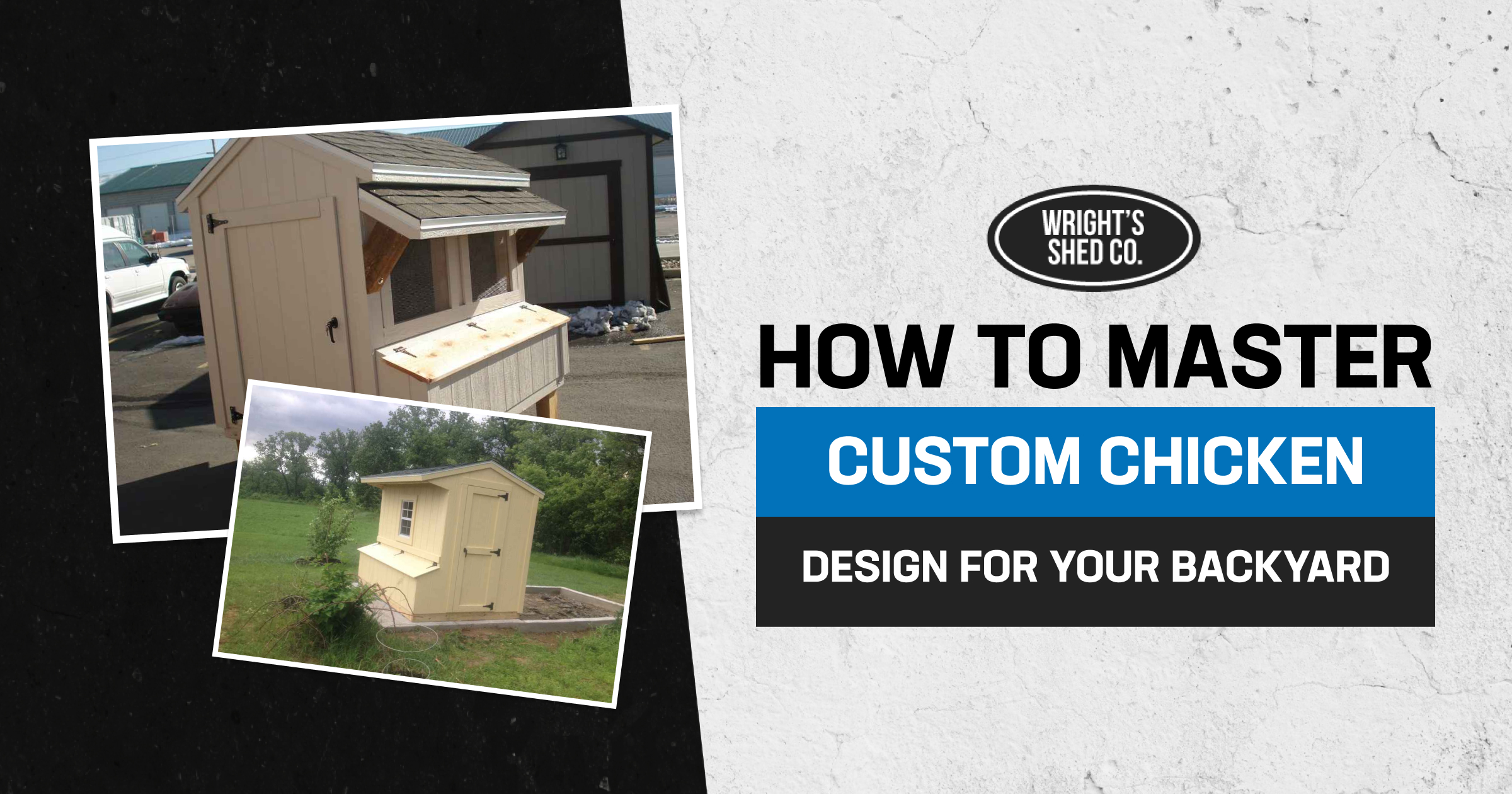
Why Custom Chicken Coop Design Makes All the Difference for Your Flock
Custom chicken coop design is the process of planning and building a chicken coop tailored to your specific flock size, climate, property layout, and lifestyle. Unlike mass-produced kits, a custom approach prioritizes the biological and psychological needs of the birds while ensuring the structure integrates seamlessly into the local environment. Smart custom design focuses on several critical pillars:
- Right-sized space: Plan for at least 4 sq. ft. of interior space per standard chicken, scaling up for larger breeds to prevent stress-induced pecking.
- Predator protection: Use heavy-duty hardware cloth (not chicken wire), solid flooring, and complex locking mechanisms to deter clever nocturnal predators.
- Proper ventilation: A combination of ridge vents, gable vents, and soffit vents facilitates passive airflow to prevent ammonia buildup and respiratory illness.
- Durable materials: Utilizing rot-resistant lumber, weather-resistant siding, and metal roofing ensures the coop remains a permanent fixture for decades.
- Low-maintenance features: Deep litter systems, external egg collection, and removable roost bars cut daily chore time and improve hygiene.
- Smart upgrades: Automatic doors, temperature sensors, and heated waterers simplify year-round flock management, especially in extreme climates.
Many backyard chicken keepers begin with a small, pre-built coop only to find it inadequate within the first season. These structures often lack the durability to withstand a harsh Utah winter or the security to stop a determined raccoon. A custom design addresses these vulnerabilities before construction begins, focusing on the long-term health of the flock and the convenience of the keeper.
Expert builders, such as those at Wright’s Shed Co., have refined these designs since 1997, constructing thousands of structures across Utah, Idaho, Nebraska, and Iowa. This experience highlights that a successful coop is not just a shed for birds, but a specialized environment that balances temperature, humidity, and security. In the sections ahead, we will explore the technical specifications and material choices that define a high-quality custom build.

Essential Features of a High-Quality Custom Chicken Coop Design
A successful custom chicken coop design starts with understanding the biological needs of your birds. Chickens are hardy creatures, but they are highly susceptible to respiratory issues caused by poor air quality and chronic stress from predator proximity. A professional build focuses on creating a balanced environment where airflow is constant but drafts are eliminated, particularly at the roosting level.
Determining Size and Capacity for Your Flock
Getting the dimensions right is the difference between a peaceful flock and a stressed one. Overcrowding leads to pecking, bullying, and the rapid spread of disease. When planning a design, it is vital to account for the “pecking order”, the social hierarchy of the birds. Providing ample space allows lower-ranking hens to escape aggression.
| Chicken Type | Interior Space (Per Bird) | Outdoor Run Space (Per Bird) |
|---|---|---|
| Bantam Breeds | 2 Square Feet | 4-5 Square Feet |
| Standard Breeds | 4 Square Feet | 8-10 Square Feet |
| Heavy Breeds | 8 Square Feet | 12-15 Square Feet |
Floor space is only one part of the equation. Vertical space for roosting and easy access for cleaning are equally important. For a deep dive into these specifications, check out this ultimate custom chicken coop guide to see how different layouts impact bird happiness.
Ventilation and Lighting for Optimal Bird Health
Proper ventilation is perhaps the most overlooked aspect of coop building. Without it, moisture from droppings and breath builds up, leading to frostbite in Idaho winters or ammonia toxicity in the summer. High-quality designs utilize passive ventilation systems. By placing vents near the roofline (ridge and gable vents) and intake vents lower down (soffit vents), a natural convection current is created. This allows warm, moist air to rise and exit while drawing in fresh, dry air.
Natural light is also vital for egg production, as a hen’s reproductive system is triggered by day length. Windows should be positioned to maximize sunlight during the day but must be secured with hardware cloth at night. For those in northern climates like Nebraska or Iowa, electrical ready packages allow for supplemental lighting in the winter to maintain consistent laying cycles.

Predator-Proofing and Security Measures
In regions ranging from the mountains of Utah to the plains of Nebraska, predators are a constant threat. Raccoons, foxes, weasels, and neighborhood dogs are common culprits. A custom design replaces standard chicken wire, which is easily torn by larger animals, with 1/2-inch or 1/4-inch hardware cloth. This welded wire mesh is significantly stronger and prevents even small predators like weasels from squeezing through gaps.
Predator Security Checklist:
- Hardware Cloth: Secured with heavy-duty staples on all windows and vents.
- Buried Perimeter: A wire mesh apron buried 12 inches deep to prevent digging.
- Two-Step Latches: Raccoons can manipulate simple sliding bolts; carabiners or spring-loaded latches are safer.
- Solid Flooring: A reinforced wooden or concrete floor prevents entry from underneath.
Materials and Durability in Custom Chicken Coop Design
A coop is a long-term investment. Professional builders often use Douglas fir for framing due to its superior strength-to-weight ratio and natural resistance to warping. For the exterior, high-performance solutions from LP Building Solutions are preferred. Their SmartSide siding is engineered to withstand extreme weather, fungal decay, and termites, often carrying a 50-year factory warranty.
Smart Technology and Maintenance Efficiency
Modern technology has revolutionized poultry management. Automatic chicken doors, which can be set on timers or light sensors, ensure birds are secured at dusk even if the owner is away. For those sourcing birds from high-quality hatcheries like Ideal Poultry, protecting that investment with WiFi monitoring cameras and temperature sensors is a wise addition.
Maintenance efficiency is also a hallmark of custom design. Features like tailoring your chicken coops efficiency through external egg collection boxes allow for egg retrieval without entering the coop. Furthermore, the “deep litter method”, where bedding is allowed to compost in place, can be supported by high-clearance door frames, reducing the frequency of total cleanouts to just once or twice a year.

Frequently Asked Questions about Custom Chicken Coop Design
How much space do I need per chicken in a custom coop?
Standard practice suggests 4 square feet of interior coop space per bird and 8 to 10 square feet of outdoor run space. However, if birds are confined to the coop for long periods due to snow or weather, increasing the interior space to 6-8 square feet per bird is recommended to prevent behavioral issues.
Is hardware cloth better than chicken wire for a custom design?
Yes. Chicken wire is designed to keep chickens in, but it is too thin to keep predators out. Raccoons can reach through the large holes, and dogs can tear the wire easily. Hardware cloth (welded wire) is the industry standard for predator-proof enclosures.
How do I handle extreme winter temperatures in my coop?
Avoid the temptation to seal the coop completely. Moisture buildup is more dangerous than cold. Ensure there is plenty of high-level ventilation to let moisture escape while keeping the roosting area draft-free. Using heated waterers is the most effective way to ensure birds stay hydrated when temperatures drop below freezing.
Can I incorporate a storage shed into my chicken coop design?
Absolutely. Many custom designs include a partitioned “service room” for storing feed, bedding, and tools. This keeps supplies dry, rodent-free, and conveniently located for daily chores.
The Long-Term Value of Professional Custom Chicken Coop Design
A well-designed coop enhances property value and aesthetic appeal. When a structure is built to match the architectural style and color palette of the primary residence, it becomes a deliberate landscape feature rather than a temporary utility shed. This attention to detail is particularly important in suburban environments where HOA regulations or property values are a concern.
Choosing a custom route ensures the structure is built for your specific climate, whether that is the dry heat of the Great Basin or the humid summers of the Midwest. If you are ready to see how a professional build fits into your budget, you can explore various options for pricing chicken coops to find the perfect match for your flock and your landscape.