
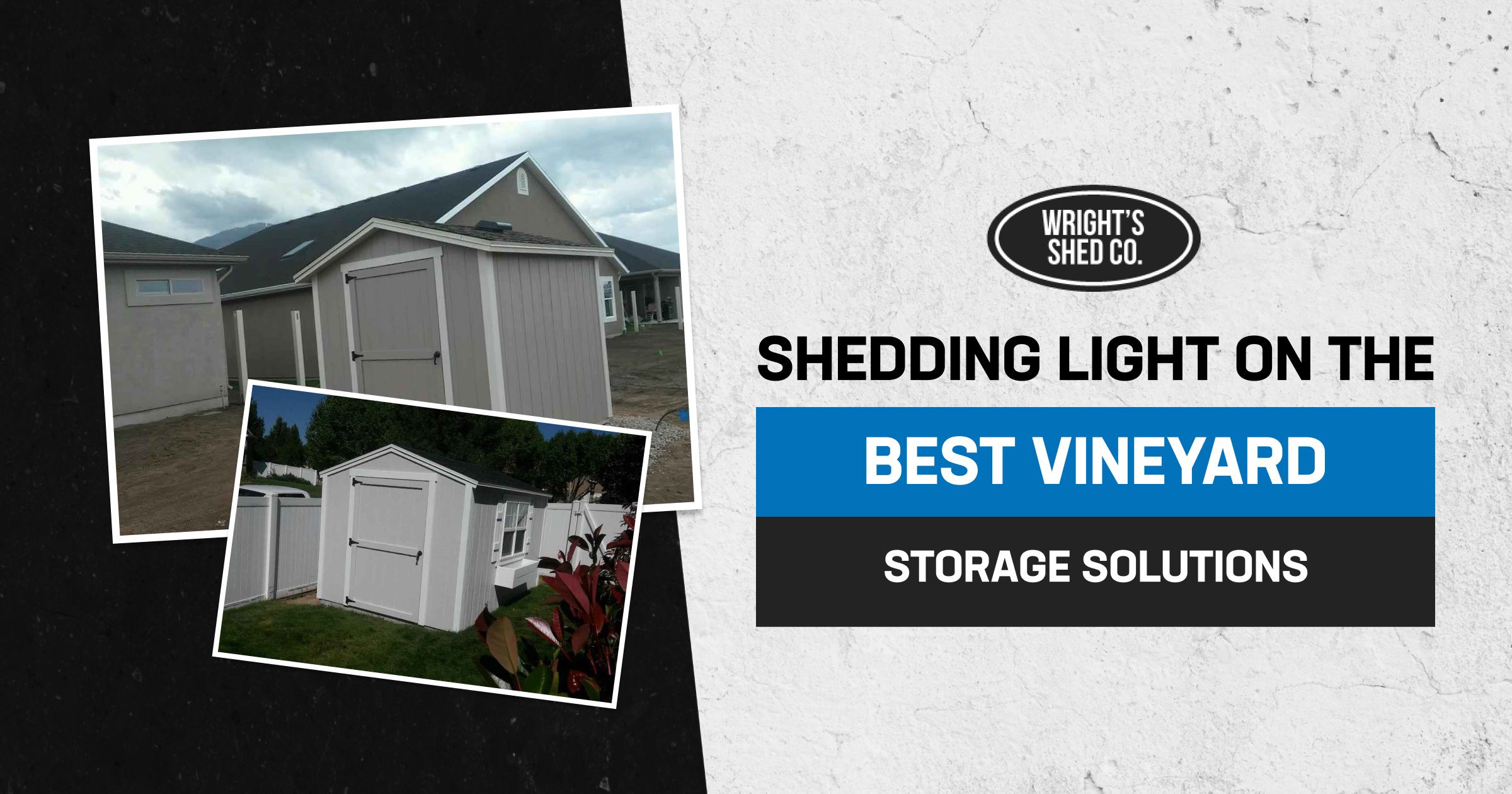
Your Vineyard Shed Comparison: The Quick Answer
A Vineyard shed comparison is the first step toward creating a professional-grade winemaking environment on your own property. Choosing the right structure involves balancing thermal stability, material durability, and functional space for equipment. Custom wood structures are frequently recommended for their superior natural insulation and long-term reliability in the Intermountain West.
Key Factors At A Glance
- Material Choice: Wood offers the best thermal break, while metal often leads to condensation and heat spikes.
- Temperature Control: Aim for a consistent 50 to 60 degree range to protect your wine from oxidation.
- Construction Method: Onsite builds provide better structural integrity than mass-produced DIY kits.
- Local Climate: Structures in Utah and Idaho must handle high UV exposure and significant seasonal temperature swings.
- Maintenance: High-quality panel siding with a 50-year factory warranty reduces long-term upkeep costs.
| Shed Type | Temperature Stability | Best For | Maintenance Level |
|---|---|---|---|
| Custom Wood Shed | Good (with insulation) | Home winemaking + storage | Moderate |
| Vinyl Shed | Moderate | Basic tool + bottle storage | Low |
| Metal Shed | Poor (heat transfer) | Equipment storage only | Low to Moderate |
| Underground/Buried | Excellent (passive) | Long-term wine cellaring | High upfront |
| Hybrid Earth-Sheltered | Very Good | Winemaking + storage combo | Moderate |
Managing a backyard vineyard requires significant labor, often exceeding 10 hours per week for even small plots. Without a dedicated workspace, tasks like pruning and fermentation become much more difficult. A proper Vineyard shed comparison helps you identify a structure that simplifies these workflows while protecting your investment. Expert builders in the Intermountain West emphasize onsite construction to ensure every building meets high standards for quality and durability.
Choosing The Right Materials For Your Vineyard Shed Comparison

When evaluating structures for a vineyard, understanding how materials interact with high humidity levels is essential. Grapes require consistent watering, which creates a moist environment that can degrade inferior building materials. In any Vineyard shed comparison, the material selected determines the safety of the wine and the future maintenance schedule.
Wood sheds are a preferred choice because they provide a natural thermal break. Wood does not conduct heat like metal, which helps keep the interior cool during hot summers. This material also allows the building to breathe, reducing the risk of trapped moisture and rot.
Vinyl is a common alternative often chosen for its low maintenance requirements. High-quality resin sheds can offer decent UV protection for several years in direct sunlight. However, they often lack the structural strength needed for heavy barrel lifts or large fermentation bins.
| Feature | Custom Wood | Vinyl/Resin | Metal/Steel |
|---|---|---|---|
| Average Lifespan | 15-30+ Years | 10-20 Years | 5-10 Years |
| Insulation Value | High (Natural) | Low | Very Low |
| Customization | Unlimited | Limited | Difficult |
| Rust/Corrosion | None | None | High Risk |
Metal sheds are frequently the most affordable option but rarely perform well in a Vineyard shed comparison. They are highly susceptible to condensation, which can encourage the growth of mold. If the primary need is to store a tractor or a wagon, metal might suffice, but it is generally not suitable for fermentation.

Optimizing Above-Ground Vineyard Sheds For Thermal Stability
Many hobbyists consider underground structures or buried shipping containers for wine storage. While these offer excellent passive cooling, they present significant engineering and waterproofing challenges. Buried containers can easily collapse under the weight of wet soil without expensive structural reinforcement.
A well-engineered above-ground wood shed is often a more practical solution. By using 2×6 pressure-treated base frames and advanced insulation strategies, builders can create a stable climate-controlled environment. This approach provides the thermal protection wine needs without the high cost of excavation.
Strategic ventilation is another critical component of a functional winemaking space. Yeast produces carbon dioxide during fermentation, which can become dangerous in a sealed room. Installing floor-level vents and roof-mounted fans ensures safe airflow and gas removal.
Budgeting For Your Vineyard Shed: Custom Craftsmanship vs. Standard Options
It is tempting to choose a cheap DIY kit from a local big-box retailer to save money. In a detailed Vineyard shed comparison, these kits often fail due to thin materials and weak structural supports. They are rarely designed to hold the weight of heavy winemaking equipment or multiple wine barrels.
Professional onsite construction ensures the building is level and properly integrated into the landscape. High-quality structures often include a 50-year factory warranty on panel siding to protect the investment for decades. Investing in quality from the start prevents the need for costly repairs or replacements later. Consider the total value of the wine inventory when choosing a shed; a high-quality structure acts as an insurance policy for hard work and liquid assets.
Insulation And Temperature Management For Wine Storage
Insulation is essential for keeping wine within the ideal 50 to 60 degree temperature range. In regions like Nebraska and Idaho, daily temperatures can fluctuate by as much as 40 degrees. Without proper insulation, these swings cause the wine to expand and contract, leading to oxidation.
High-density polystyrene foam or closed-cell spray foam are recommended for the best results. These materials offer high R-values and serve as an effective vapor barrier against outside humidity. A small cooling unit can easily maintain the correct environment if the shed is properly sealed.
Members of the Home Winemaking & Grape Growing Facebook Group often emphasize the need for backup systems. A simple temperature alarm can alert the owner if a cooling system fails during a summer heatwave. Do not leave the quality of a vintage to chance when reliable insulation is available.
Finalizing Your Vineyard Shed Comparison For Long-Term Success
Proper site preparation is the foundation of a successful vineyard building project. Experts advise on the best foundation types, such as gravel pads or concrete slabs. Ensuring onsite construction fits a prepared site perfectly is critical for structural longevity.
Zoning laws in Utah and Idaho often require permits for structures exceeding 200 square feet. Researching food-grade requirements is also necessary if there are plans to sell wine commercially. A sloped concrete floor with integrated drains makes it much easier to maintain a sanitary winemaking environment.
Essential Features For Winemaking And Equipment Storage
A professional vineyard shed must be a functional workspace rather than just a storage box. A reliable power supply is needed for de-stemmers, presses, and cooling equipment. Access to running water is also vital for cleaning carboys and fermentation bins after a long day of work.
Floor drains are another essential feature for any serious winemaker. They allow for washing down the entire space quickly after pressing grapes or transferring wine. Many designs also include custom tool racks to organize pruning gear and harvest bins efficiently.
If managing a small vineyard, there are likely a variety of specialized tools like backpack sprayers. Utilizing lofts and wall-mounted storage can keep these items off the floor and out of the way. This organization makes a workspace feel larger and more productive during the busy harvest season.
Engineering Challenges And Local Zoning Requirements
Every region presents unique building challenges that must be addressed during construction. In Nebraska and Iowa, roofs must be designed to handle heavy snow loads during the winter months. In desert climates, the focus shifts to heat mitigation and UV-resistant materials to prevent warping.
Drainage is a major concern for sheds built on the sloped terrain common in vineyards. Water must flow away from the foundation to prevent wood rot and soil erosion. Using a base of crushed stone or road mix helps keep the structure dry and stable over time.

Frequently Asked Questions About Vineyard Shed Comparison
How do I maintain the best temperature in my shed?
High-quality insulation like closed-cell spray foam should be used to keep the interior between 50 and 60 degrees. This range is critical for preventing spoilage and ensuring wine ages gracefully over time.
How do I know if I need a permit for my vineyard shed?
Permit requirements depend on the local municipality and the total square footage of the building. In many parts of Utah and Idaho, any structure over 200 square feet will require a formal permit.
How do I choose between wood and metal for wine storage?
Wood is the superior choice because it provides natural insulation and does not suffer from the condensation issues common with metal. This makes wood much safer for fermentation and long-term bottle aging in variable climates.
How do I prepare the site for my new vineyard shed?
A level gravel pad or a concrete slab is recommended to provide a stable base for onsite construction. Builders can provide the exact specifications needed for a successful installation.
How do I ensure my shed is safe for fermentation?
Proper ventilation must be installed to manage the carbon dioxide produced during the fermentation process. Floor-level vents combined with roof fans provide the necessary airflow to keep the workspace safe.
Vineyard Shed Comparison: Expert Recommendations
Selecting the right structure is the final step in building a successful backyard vineyard. This Vineyard shed comparison shows that custom-built, insulated wood sheds offer the best balance of performance and value. They provide the thermal stability required for winemaking while standing up to harsh regional climates.
Onsite construction processes and a legacy of craftsmanship ensure a building remains a functional part of a vineyard for a lifetime. High-quality panel siding with long-term warranties protects the structure against the elements. Designing a space that meets specific winemaking and storage needs is the key to long-term success.
Whether the need is for a simple place for orchard tools or a complex fermentation suite, expertise in the field is invaluable. You can view pricing for vineyard sheds online to start planning. By conducting a thorough Vineyard shed comparison, you ensure your investment supports your passion for years to come.