
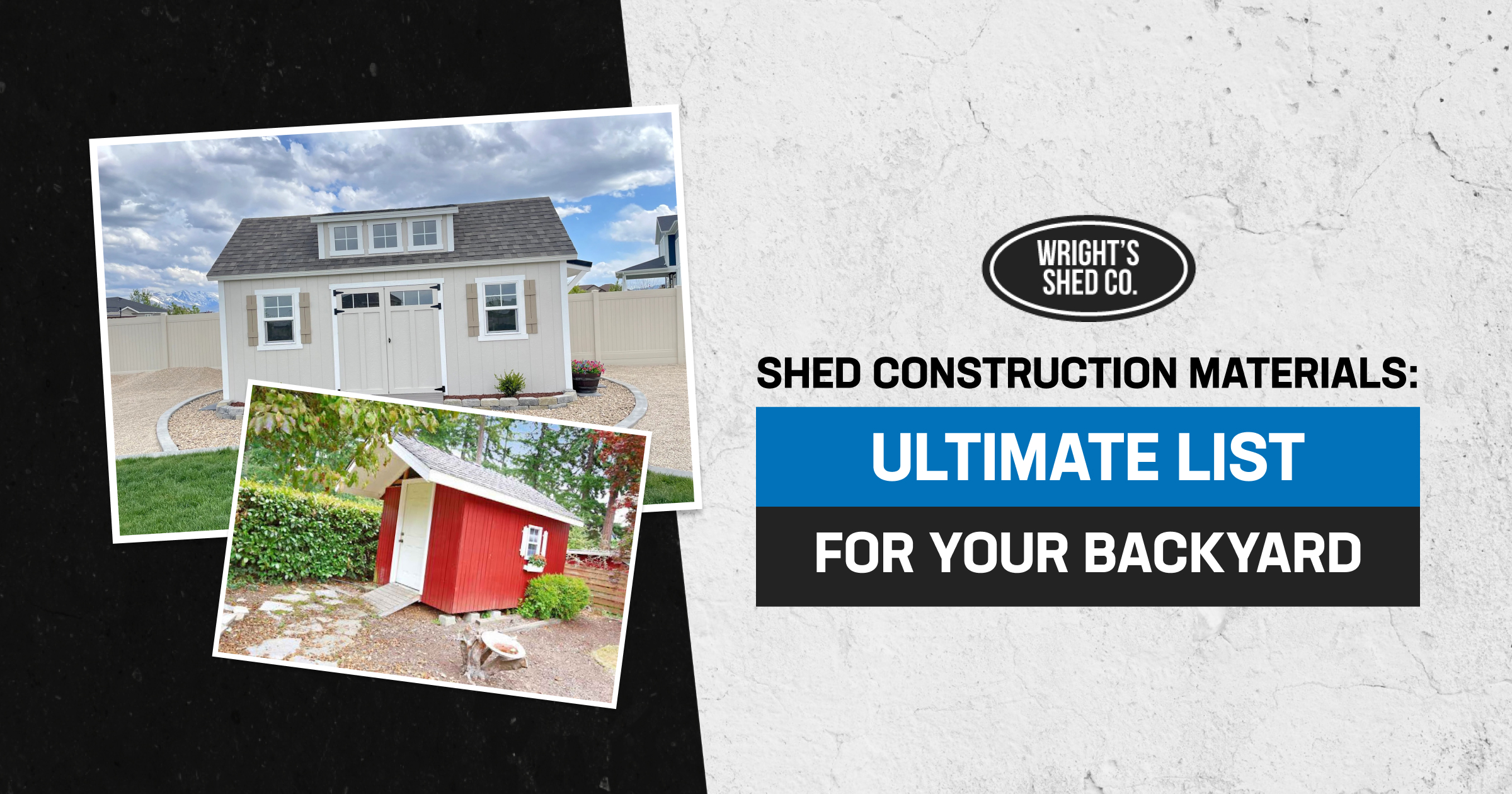
The Complete Guide to Shed Construction Materials
Selecting the right shed construction materials is a critical decision that dictates the longevity, safety, and maintenance requirements of your outdoor structure. A shed is a significant investment, and its ability to withstand environmental stressors, ranging from heavy snow loads in the Intermountain West to high humidity in the Midwest, depends entirely on the quality of its components. Choosing the wrong materials for a specific climate can lead to structural failure, such as rotting floors or sagging roofs, within just a few years.
This technical guide examines the specifications of lumber, fasteners, and panels used in professional-grade construction. You will learn:
- Lumber ratings required for ground contact and structural framing.
- The role of kiln-drying in preventing structural warping and twisting.
- Comparative analysis of siding materials and their maintenance cycles.
- The importance of ventilation systems in moisture management.
- Climate-specific recommendations for the Intermountain West and Midwest.

Essential Shed Construction Materials for Every Component
A durable shed requires a systems-based approach where the foundation, framing, and exterior envelope work in unison. If one component is substandard, the entire structure is compromised. Understanding the technical specifications of your shed construction materials ensures the building remains stable under load.
H3
Foundation and Floor Framing Materials
The foundation is the most vulnerable part of a shed due to its proximity to ground moisture. Professional builders utilize pressure-treated skids (also known as runners) to elevate the structure. For long-term durability, look for lumber with a UC4A or UC4B rating, indicating it is chemically treated for direct ground contact. Southern Yellow Pine and Douglas Fir are preferred species for this application because their cellular structure allows for deep chemical penetration.
Floor joists should typically be spaced 16 inches on-center to provide a rigid walking surface. While 2×4 joists may work for small 8×8 structures, larger workshops or sheds housing heavy equipment like riding mowers require 2×6 or 2×8 joists to prevent floor deflection.
For the decking, 5/8-inch exterior-grade plywood offers superior stiffness and moisture resistance. Alternatively, 3/4-inch OSB (Oriented Strand Board) is a common budget-friendly option, provided it is protected from moisture during the construction phase.
You can find more info about wood types for sheds to understand species-specific benefits.
Wall Sheathing and Siding Options
Wall framing should utilize kiln-dried SPF (Spruce-Pine-Fir) 2×4 studs. The kiln-drying process is vital; it stabilizes the wood by reducing moisture content to approximately 15-19%, which prevents the studs from twisting or bowing after installation. For sheathing, 7/16-inch OSB is the industry standard, providing the necessary shear strength to keep the building square.

For the exterior, LP SmartSide is a leading engineered wood product. It is treated with zinc borate to resist fungal decay and termite damage, often carrying a 50-year warranty. Other options include traditional T1-11, vinyl for low maintenance, and metal for fire resistance.
| Siding Type | Durability | Maintenance | Relative Cost |
|---|---|---|---|
| LP SmartSide | High | Low (Requires Paint) | Moderate |
| Vinyl | Moderate | Very Low | Low to Moderate |
| Metal | Very High | Very Low | Moderate to High |
| T1-11 | Moderate | High (Requires Sealing) | Low |
For those prioritizing longevity, more info about low-maintenance shed materials provides a deeper look at modern composites.
Roofing and Ventilation for Longevity
Roof trusses must be engineered for local snow loads, often using 2×4 or 2×6 lumber reinforced with plywood gussets. Longevity is ensured through a multi-layer defense: a metal drip edge to direct water away from the fascia, followed by synthetic underlayment, and finally asphalt shingles or metal panels. Ventilation is equally critical; a combination of ridge and soffit vents prevents heat buildup and condensation, which are the primary causes of internal wood rot.
For high-wind or heavy-snow regions, more info about metal roofs for sheds is recommended.
Choosing Shed Construction Materials for Your Climate
Material selection must be tailored to local environmental conditions. In the Intermountain West (Utah and Idaho), the primary structural concern is snow load. High-grade lumber for rafters and metal roofing are often prioritized to handle the weight and facilitate snow shedding. In the Midwest (Iowa and Nebraska), the challenges shift toward high humidity and wind.
Humidity accelerates rot, making the use of zinc-borate-treated materials and pressure-treated lumber non-negotiable. To resist wind uplift, builders use galvanized, corrosion-resistant fasteners and hurricane ties.
Common Material Mistakes to Avoid
- Using Untreated Wood Near Ground: Even if placed on concrete blocks, non-treated wood will wick moisture, leading to rot within years. Always use UC4A-rated pressure-treated lumber for the base.
- Undersized Joists: Bouncy floors indicate that the material is stressed beyond its limit, which can lead to structural failure over time.
- Poor Fastener Choice: Using interior-grade screws on exterior siding leads to rust streaks and fastener failure. Always use hot-dipped galvanized or stainless steel fasteners.
- Ignoring Airflow: Placing a shed directly on soil traps moisture. A leveled gravel base is essential for airflow beneath the floor framing.
When planning a project, it is helpful to consult a complete step-by-step guide to ensure all structural requirements and material specifications are met. While DIY construction is possible, professional onsite builds ensure the structure is perfectly leveled to the specific site, preventing the structural racking that can occur when pre-built units are transported over long distances.

Frequently Asked Questions about Shed Construction Materials
What are the best materials for a shed foundation?
A leveled gravel bed combined with pressure-treated 4×4 or 4×6 skids (rated for ground contact) is the industry standard. This setup provides excellent drainage and prevents the wood from absorbing ground moisture, which is the leading cause of foundation failure.
Is OSB or plywood better for shed walls and roofs?
Plywood is generally stiffer and more moisture-resistant, making it the premium choice for floors. However, 7/16-inch OSB is an excellent, cost-effective choice for wall and roof sheathing when covered with a proper weather-resistant barrier and quality siding.
How long does LP SmartSide siding last?
LP SmartSide is engineered for extreme durability and often carries a 50-year limited warranty. Its treatment with zinc borate makes it highly resistant to the rot and pests that typically plague traditional wood siding in humid climates.
Do I need a permit based on my material choices?
Permits are usually triggered by the shed’s square footage, but local codes in regions like Utah or Idaho may mandate specific materials, such as fire-rated siding or specific anchoring systems for high-wind zones. Always verify with your local building department.
How can I prevent my shed floor from rotting?
Ensure you use pressure-treated lumber rated for ground contact for all skids and joists. Additionally, maintain at least a 4-inch gap between the ground and the floor framing to allow for adequate airflow.
Shed Construction Materials: Build It Right From the Start
Choosing the right shed construction materials is what separates a short-term structure from one that lasts for decades. Every component, from pressure-treated foundation lumber to durable siding and properly ventilated roofing, plays a critical role in protecting your shed against moisture, weather, and structural stress. When you invest in high-quality materials and match them to your climate, you reduce maintenance, avoid costly repairs, and ensure long-term performance.
Whether you’re planning a DIY project or want a professionally built solution, the smartest move is to focus on durability, proper installation, and proven materials from the start. Get a Free Custom Shed Quote Today. See your options, pricing, and design possibilities – no obligation, just expert guidance for your perfect shed.