
The Benefits of an Orchard Shed in Four-Season Climates
An orchard shed is more than a simple storage box. It is a small, purpose-built outbuilding that provides dry, secure space for garden tools, equipment, and projects while also improving how your backyard looks and functions. In four-season climates like those found in Utah, Idaho, Iowa, and Nebraska, a well-built shed can protect your investment in tools and enhance your outdoor living space.
In this A to Z guide, you will learn:
- What defines a high-quality orchard shed in four-season climates
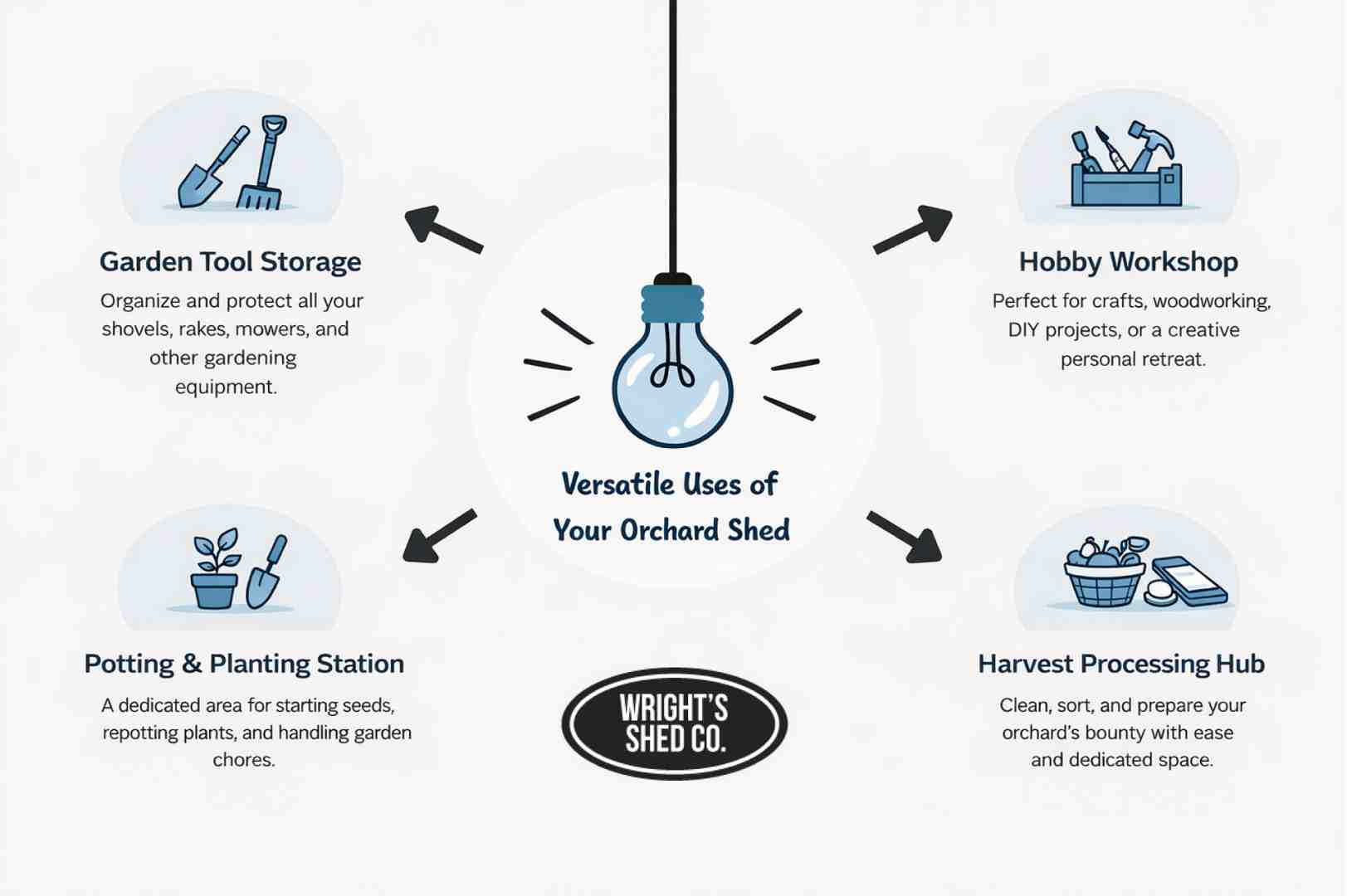
- Practical ways to use a shed for storage, potting, hobbies, and harvest processing
- How sizing, site prep, and foundations affect cost and longevity
- Construction details that separate a cheap shed from a long-lasting structure
- How Orchard, A-frame, and Barn styles compare for different properties
A well-planned orchard shed can transform how you use your yard. When designed correctly, it supports everyday tasks like mowing and pruning while also providing a comfortable work zone for potting, woodworking, or processing a garden harvest. This versatility makes it a valuable addition to any property.
If you are just starting to plan, it helps to list what you want your shed to do in the next 5 to 10 years. Many homeowners begin with simple storage and later add potting benches, lofts, or even a small seating area. Thinking ahead allows you to size and design the building correctly from the start, preventing the need for a replacement in just a few seasons.
Your Complete Guide to the Orchard Shed
The orchard shed is a popular custom shed style for good reason. Its blend of classic aesthetics and practical functionality makes it an ideal choice for homeowners in regions like Utah, Idaho, Iowa, and Nebraska that experience intense sun, heavy snow loads, wind, and significant temperature swings.
For a high-quality custom shed, consider the benefits of on-site construction. This method allows for correct positioning, easier navigation of tight access points, and ensures the structure is properly set on its foundation.
Key Features of a High-Quality Orchard Shed
When investing in an orchard shed, look for a structure that both looks good and holds up to daily use. A quality design focuses on three priorities: structural strength, weather protection, and ease of use.
Durable construction is paramount. Quality sheds are built with robust materials and proven building practices to handle diverse weather conditions. Key features to look for include double top plates for improved wall stability.
The base should use pressure-treated wood or galvanized steel for strong protection against moisture and pests. A reputable builder can advise on foundation options like gravel pads or concrete, though the base is typically installed by a separate contractor.
Weather resistance is critical. Look for durable siding like engineered wood panels (e.g., LP SmartSide), which are known for their longevity. A quality roof should have a moderate pitch (such as 6/12) to shed rain and snow effectively, using limited lifetime architectural shingles over OSB roof sheathing.
Adequate ventilation reduces condensation and heat buildup. For customers interested in building ventilation science, the Iowa State University Extension has helpful background material on agricultural building airflow.
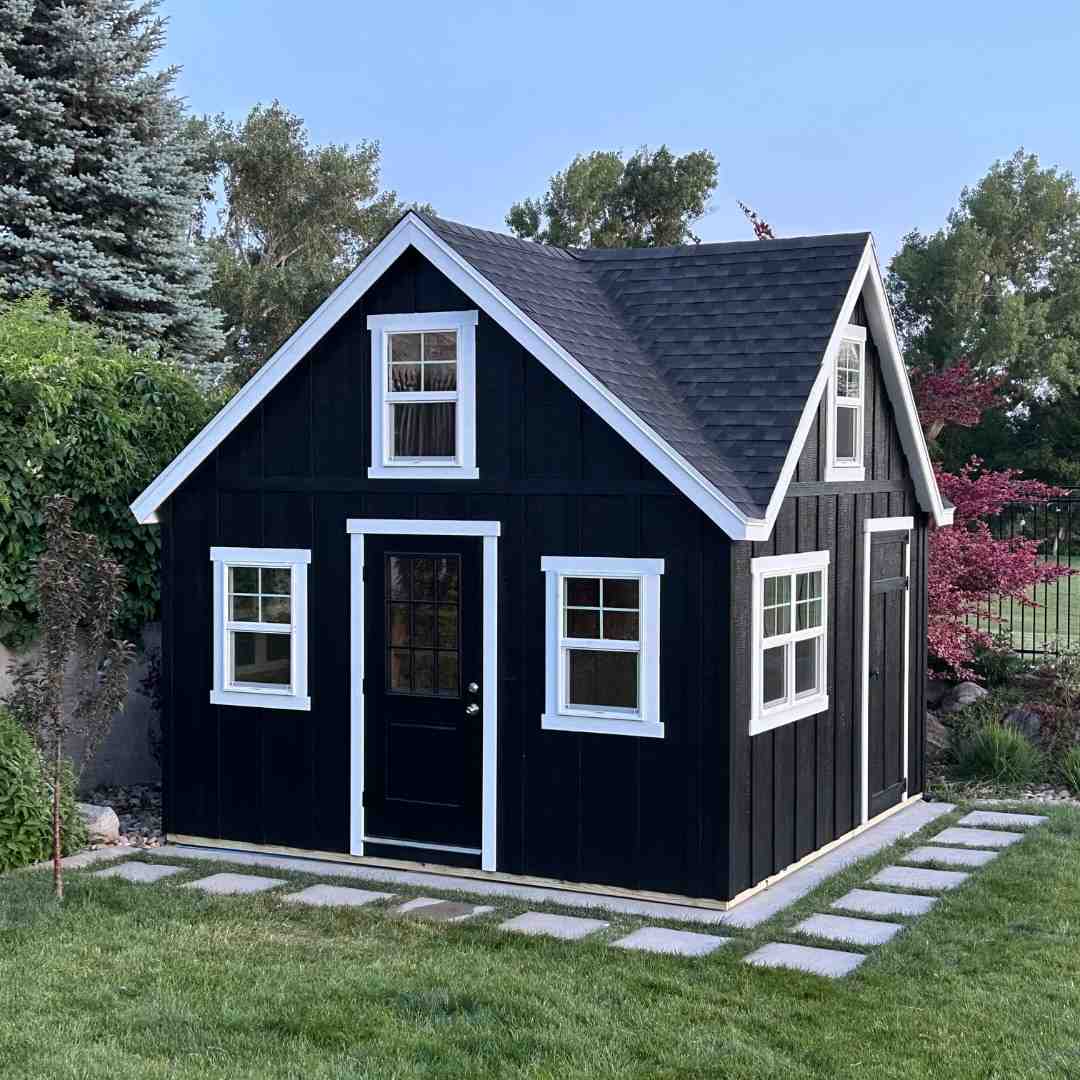
Secure doors and locks are essential for protecting valuable tools. A sturdy, well-framed door is a key feature. Details like clean trim, balanced window placement, and the classic orchard roofline help the shed complement your home’s aesthetic.
Popular Customizations and Upgrades
One strength of the orchard shed style is its adaptability. Most can be customized to fit a family’s specific needs and lifestyle.
Many homeowners choose to add porches and decks integrated into the sidewall and roof. This simple upgrade creates a shaded spot for potting or a small seating area overlooking your property.
Another highly requested upgrade is the pop-out window. This adds character and lets you use flower boxes, popular in older neighborhoods where people want sheds to match historic homes.
Common functional upgrades include:
- Extra doors and windows: Place them where you move equipment most often
- Overhangs and dormers: Add architectural interest and weather protection
- Siding styles: LP SmartSide panel siding is a common standard, but options like batten board create a farmhouse look
- Interior finishing: From open studs to insulated hobby rooms
- Custom paint colors: Match your house or HOA guidelines
Many builders offer online 3D design tools that allow you to experiment with different sizes, rooflines, and options. These tools can help you visualize the final product and often provide an immediate cost estimate for the design you create.
Sizing, Site Prep, and Investment
Choosing the right size for your orchard shed affects daily usefulness. You want enough room to walk, work, and store equipment without overwhelming your yard.
Sheds are available in standard sizes, from compact models to large workshop buildings, and custom dimensions may be available for buildings over 200 square feet.
| Shed Size | Typical Uses | Storage Capacity |
|---|---|---|
| 6’x8′ | Basic tool storage, hand tools | 48 sq ft |
| 8’x12′ | Garden tools, mowers, potting bench | 96 sq ft |
| 10’x16′ | Workshop, larger equipment | 160 sq ft |
| 12’x20′ | Extensive storage, hobby space | 240 sq ft |
| 12’x32′ | Large workshop, multiple uses | 384 sq ft |
Proper site preparation is vital for longevity and stability. A shed professional can help you choose appropriate foundation options for your situation and soil.
A typical process includes picking the location, checking slope (ideally no more than 3 feet out of level), selecting a base type, and confirming local rules. For sloped sites, leveling techniques using concrete blocks may be necessary.
Always check with your local planning department to clarify permit needs. Many cities publish shed guidelines online. You can also review general background on residential building permits.
Understanding the investment involves more than the sticker price, as size, customizations, and materials all affect the final cost. Using an online design tool can help generate a personalized quote. For financing, some companies may offer rent-to-own options on select models.
Construction and Materials
The longevity of an orchard shed depends on its construction methods and materials. Look for residential-style framing practices, which are proven in home construction.
A quality build process starts with a strong base of pressure-treated wood or galvanized steel. Walls should use 2″x4″ framing spaced 16″ on center with double top plates to tie corners together securely.
For flooring, 3/4″ tongue and groove OSB provides a solid feel underfoot and handles heavy equipment. The exterior should feature a durable material like LP SmartSide Panel Siding, which often comes with a 50-year factory warranty.
For roofing, look for 7/16″ OSB sheathing topped with limited lifetime architectural shingles. Features like a 6/12 roof pitch, 4″ eaves overhang, and a full drip edge are important for water control.
Ventilation reduces condensation and keeps temperatures manageable. Good airflow is particularly important when storing produce or moisture-sensitive equipment.
A reputable builder should stand by their craftsmanship with a multi-year warranty. Additionally, the materials themselves, such as siding, often carry separate long-term factory warranties from the manufacturer.
Comparing Shed Styles
When comparing shed styles, consider how they look next to your home and how roofline affects interior space. The orchard shed feels familiar and balanced without being plain.
The primary aesthetic difference is in roofline and wall height. It features a classic gable roof with moderate 6/12 pitch, generous overhangs, and room for options like pop-out windows.
Compared to an A-frame shed, the orchard shed often has slightly steeper pitch and more detailing, making it feel like a small cottage. Compared to barn-style sheds with gambrel roofs, the orchard offers a simpler profile that blends better in residential neighborhoods.
Roof pitch impacts interior feel. The 6/12 pitch offers enough height for overhead storage without pushing too tall for most HOAs. It also sheds snow efficiently in mountain valleys.
When choosing a style, consider what you’ll store, how the building will look from the street, and any local rules. The orchard shed style often fits well in both urban and rural properties.
Frequently Asked Questions about Orchard Shed
Choosing a high-quality orchard shed is a long-term investment in your property. A well-built, well-sited shed protects tools, supports hobbies, and makes yard work easier by keeping everything organized and accessible. The key is to match the shed’s size, design, and features to how you live and work outdoors.
Look for sheds that are framed like small houses and built to handle demanding climates. On-site construction on a proper foundation ensures the building is level, solid, and square from day one. Combining quality materials with careful workmanship is the formula for an orchard shed that will serve you for decades.
What Can an Orchard Shed Be Used For?
An orchard shed is incredibly versatile. Homeowners use them for garden tool storage, lawn equipment, and seasonal gear, but also as potting stations, small workshops, or hobby rooms. In working orchards, they often double as clean spaces for sorting and packing harvests.
What Features Should I Look For in an Orchard Shed?
Look for sturdy framing with 2×4 studs at 16″ on center, durable siding such as LP SmartSide, and a weather-resistant roof with architectural shingles. A level, well-drained base, secure doors and locks, and thoughtful ventilation will all extend the life and usefulness of your shed.
How Much Does an Orchard Shed Cost?
The cost of an orchard shed depends on several key factors, including overall size, site access, and the level of customization you choose. Larger footprints, increased wall height, porches, dormers, and added doors or windows all influence the final price. Material selections, roofing style, and interior upgrades can also affect the total investment.
Many manufacturers now offer online design tools that allow you to customize layouts and features while viewing real-time pricing ranges. To explore current orchard shed options, sizes, and transparent pricing, visit our pricing page.
What Kind of Warranty Comes With a Quality Shed?
A quality shed should include a builder’s warranty on craftsmanship, giving you confidence in the assembly. Additionally, look for materials that carry their own long-term factory warranties, such as a 50-year warranty on siding.
Do I Need a Permit for an Orchard Shed?
Permit rules vary by city and county, and sometimes by HOA. In Utah, Idaho, Iowa, and Nebraska, smaller sheds may be exempt while larger ones require a simple building or zoning permit. Always check with your local planning department before scheduling your shed so your project stays compliant.
Choosing the Right Orchard Shed for Long-Term Use
A thoughtfully planned orchard shed is more than extra storage. It becomes a reliable workspace that supports gardening, seasonal maintenance, and everyday outdoor tasks in four-season climates. When size, materials, roof design, and site prep are chosen carefully, the shed performs well year after year, even with snow loads, wind, and temperature swings.
The best orchard shed designs balance durability with flexibility. They provide enough room to work comfortably, protect tools and equipment, and adapt as your needs change over time. Whether you start with basic storage or plan for potting, hobbies, or harvest processing, investing in quality construction helps ensure your shed remains useful for decades.
If you are ready to start planning, you can design your own orchard shed and explore layout options using an interactive 3D shed builder. This tool allows you to visualize sizes, roof styles, doors, windows, and upgrades before making a decision.
Start designing here.