Why Getting the Right Chicken Coop Size Matters for Your Flock
A chicken coop for 4 hens needs at least 16 square feet of interior space (a 4×4 coop) and 40 square feet of outdoor run space. These dimensions are crucial for keeping your birds healthy, comfortable, and productive.
| Feature | Minimum Requirement for 4 Hens |
|---|---|
| Interior Coop Space | 16 sq. ft. (4 sq. ft. per hen) |
| Outdoor Run Space | 40 sq. ft. (10 sq. ft. per hen) |
| Nesting Boxes | 1-2 boxes (12-14 inches square each) |
| Roosting Bar Length | 32 inches total (8 inches per hen) |
For new chicken keepers, the biggest mistake is underestimating space. The difference between a happy flock and a stressed, disease-prone one often comes down to a few extra square feet. Overcrowding creates intense competition for resources and personal space, leading to chronic stress. This stress weakens their immune systems and triggers destructive behaviors like feather pecking, which can escalate to serious injury or cannibalism.
Many pre-fab coops marketed for four hens offer far too little room, leading to these behavioral problems and severe health issues like respiratory disease from ammonia buildup. Proper planning from the start prevents these costly and heartbreaking problems.
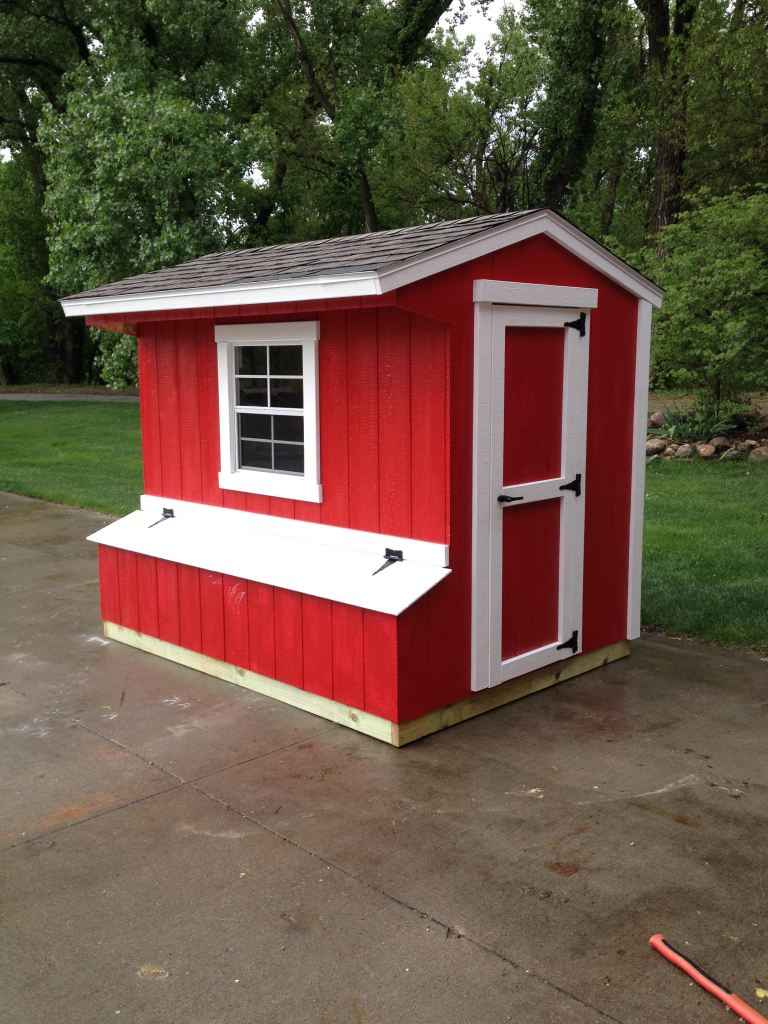
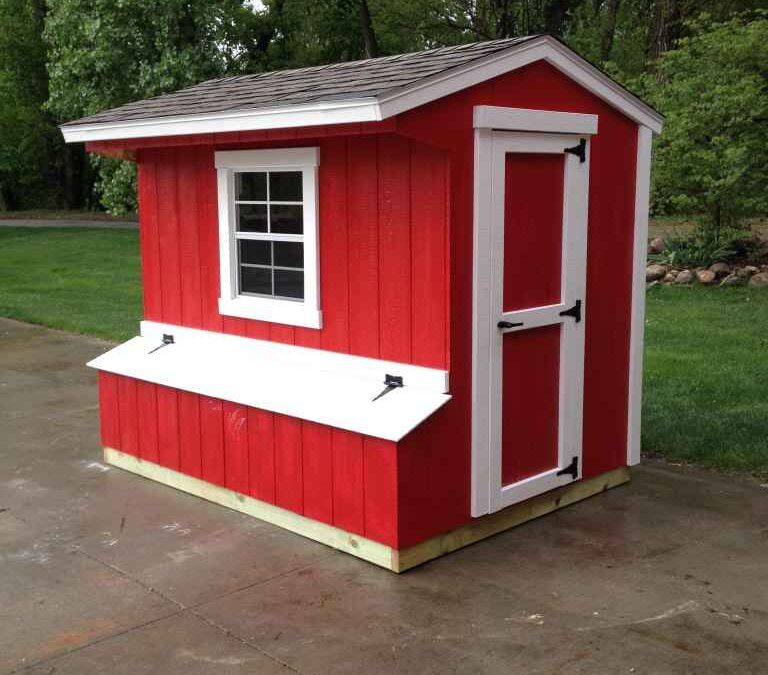
At Wright’s Shed Co. we’ve built custom structures, including dozens of chicken coops for 4 hens, designed for durability and easy maintenance. We use high-quality materials and on-site construction to build coops that last for years, not just seasons.
Key Considerations for Your Chicken Coop for 4 Hens
Choosing the right chicken coop for 4 hens involves more than just picking a pretty picture. It requires careful consideration of space, essential features, protection, and materials. Our goal at Wright’s Shed Co. is to help you build a home for your flock that promotes their health and happiness for years to come.
Sizing Your Coop and Run for a Chicken Coop for 4 Hens
For a chicken coop for 4 hens, proper dimensions are critical. We recommend a minimum of 16 square feet of interior coop space (4 sq. ft. per hen) and at least 40 square feet for the outdoor run (10 sq. ft. per hen). A 4×4 coop with a 4×10 run is a great starting point.
While these are minimums for standard breeds like Plymouth Rocks or Orpingtons, smaller Bantam breeds might manage with slightly less, but the rule remains: you’ll never regret building bigger.
While the coop is for sleeping and laying, the run is where your flock spends its day foraging, dust bathing, and socializing. More space is a smart investment, especially if your hens will be confined for long periods due to weather or local predators.
Overcrowding leads to serious problems:
- Behavioral issues: Pecking, aggression, and feather pulling due to constant stress.
- Increased disease: Poor ventilation and concentrated waste buildup cause respiratory issues from ammonia fumes and create a breeding ground for parasites.
- Reduced egg production: Stressed hens lay fewer eggs, or may stop laying altogether.
- Cleanliness challenges: A small, crowded space is exponentially harder to keep clean and sanitary.
Starting with ample space invests in your flock’s health and your peace of mind. For a deeper dive into optimal design, you can learn more about chicken coop design considerations.
Essential Interior Features for Four Hens
The interior of your chicken coop for 4 hens directly impacts their comfort and your workload.
- Roosting Bars: Provide 32 inches of total roosting space (8 inches per hen). Use a two-by-four with the 4-inch side up, allowing hens to rest flat-footed and cover their feet with their bodies to stay warm. This simple design choice helps prevent frostbite in climates like Utah and Idaho. Always place roosts higher than nesting boxes, as chickens instinctively seek the highest point to sleep.
- Nesting Boxes: One or two 12- to 14-inch square boxes are plenty for four hens, as they often prefer to share a favorite spot. We build these into our chicken houses by Wright’s Shed Co. for security and easy egg collection. Place them in the darkest, quietest part of the coop to encourage use, and keep them filled with clean pine shavings or straw.
- Bedding: A deep layer of pine shavings or chopped straw on the floor absorbs moisture, insulates, and provides cushioning. Many owners use the “deep litter method,” where you start with a 4-6 inch layer and regularly turn it while adding fresh bedding on top. Over months, this creates a compost base that generates heat and beneficial microbes, reducing odors and cleaning frequency.
- Flooring: A moisture-resistant, easy-to-clean floor is essential. Covering a wood floor with a single sheet of vinyl or linoleum simplifies cleanup, prevents waste from soaking into the wood, and helps prevent mites from finding a home in wood crevices.
- Removable Droppings Boards: Placing these boards under the roosts catches the majority of overnight waste. This feature, which we prioritize for effortless maintenance, allows you to scrape the droppings into a bucket in minutes each morning, drastically reducing ammonia levels and coop odor.
Protection: Ventilation and Predator-Proofing
A coop is a fortress. For your chicken coop for 4 hens, excellent ventilation and predator protection are non-negotiable, especially in areas like Utah, Idaho, Iowa, and Nebraska.
- Proper Ventilation: Good airflow is vital for preventing respiratory issues. Chickens produce a lot of moisture and ammonia, and ventilation removes it. Vents should make up about one-fifth of the wall area and be placed high above the roosts. This allows warm, moist air to escape without creating a cold draft on your sleeping hens.
- Predator Security: Your coop must withstand raccoons, hawks, weasels, and other threats.
- Hardware Cloth: Cover all openings, including windows and vents, with 1/4-inch or 1/2-inch hardware cloth, secured with screws and washers. Chicken wire keeps chickens in but won’t keep a determined predator out.
- Secure Latches: Raccoons can easily open simple knobs and slide bolts. Use two-step, predator-proof latches that require complex movements.
- Predator Apron: To stop digging predators like foxes and coyotes, attach hardware cloth to the base of the run, extending it at least 12 inches outward and burying it under the soil or mulch.
- Solid Construction: We use robust materials and tight construction to eliminate weak points. A solid chicken coop enclosure is your best defense.
Choosing the Right Materials
The longevity of your chicken coop for 4 hens depends on its materials. We select materials for durability and weather resistance in climates like Utah, Idaho, Iowa, and Nebraska.
- Wood Coops: Wood provides natural insulation for year-round comfort and offers a classic aesthetic. Any interior paint should be zero-VOC to protect your flock’s sensitive respiratory systems.
- LP Smartside Panel Siding: We use high-quality LP Smartside siding, which includes a 50-year factory warranty on the siding itself against decay and termites.
- Metal Roofing: A metal roof is superior to shingles, offering decades of protection against heavy snow, hail, and strong winds.
- Pressure-Treated Lumber: We use pressure-treated lumber for all ground-contact components, like floor joists and skids, to prevent rot and insect damage.
- Vinyl Flooring: Covering the interior wood floor with vinyl makes cleaning simple and adds a barrier against mites and moisture.
For maximum space and durability, consider converting a storage shed as a chicken coop.
Why Choose a Custom-Built Chicken Coop from Wright’s Shed Co.
While pre-fabricated kits are available for a chicken coop for 4 hens, a custom-built coop from Wright’s Shed Co. offers superior value and peace of mind.
- Custom to Your Needs: We design a coop that fits your specific property. You can choose the placement of doors for your convenience, add an integrated feed storage area, or match the coop’s style and color to your home.
- Onsite Construction by Local Experts: Unlike kits shipped in a box, most of our structures are built onsite by local experts, ensuring structural integrity. (DIY kits are an exception, but we recommend professional assembly for durability).
- Avoiding Low-Quality Kits: Mass-produced kits often use flimsy materials, lack proper space, and have poor predator protection, leading to costly repairs and replacements.
- Long-Term Durability: Our coops are built to last with robust construction, just like our sheds. We also advise on proper foundations, though we do not build them.
For a solution that stands the test of time, see our ultimate custom chicken coop guide.
Building a Happy and Healthy Home for Your Flock
Your Perfect Coop Awaits
Investing in a high-quality chicken coop for 4 hens is a commitment to your flock’s health. A well-designed coop from Wright’s Shed Co. is built to last.
Our coops offer:
- Longevity: Durable materials like LP Smartside siding and metal roofing withstand the harsh weather in Utah, Idaho, Iowa, and Nebraska.
- Easy Maintenance: Features like vinyl flooring and removable droppings boards simplify daily chores.
- Safety and Comfort: Superior ventilation and predator-proof construction keep your hens safe and stress-free.
At Wright’s Shed Co., we combine quality materials with local, onsite craftsmanship and full customization. We don’t just build coops; we build lasting homes for your flock.
Ready to provide your hens with the best? View our pricing for chicken coops to find the perfect solution for your backyard.
Frequently Asked Questions about Chicken Coops
How much space do 4 hens really need in a chicken coop?
For four hens, we recommend at least 16 square feet of interior coop space (4 sq. ft. per hen) and 40 square feet of outdoor run space (10 sq. ft. per hen). This sizing prevents overcrowding and reduces stress, promoting better health and egg production. More space is always better.
What is the best location for a chicken coop?
A good location is key for your flock’s comfort and your convenience. Choose a spot with good drainage to prevent a muddy run. It should offer afternoon shade in the summer and act as a windbreak in the winter. Proximity to your house makes daily chores easier, but check local regulations regarding setbacks from property lines.
How much maintenance does a well-designed coop for 4 hens require?
A well-designed coop minimizes chores. Daily tasks (5-10 minutes) include providing fresh food and water, collecting eggs, and a quick scrape of the droppings board. Weekly, you might need to add fresh bedding. A full deep clean is only needed once or twice a year, especially if using the deep litter method.
What materials does Wright’s Shed Co. use for chicken coops?
We use durable materials chosen for the climates in Utah, Idaho, Iowa, and Nebraska. This includes LP Smartside panel siding (with a 50-year factory warranty on the siding), metal roofing, pressure-treated lumber for ground contact, and easy-to-clean vinyl flooring.
Can I convert an existing shed into a chicken coop for 4 hens?
Yes, converting a shed is a great option for a robust coop. You’ll need to add ventilation (high on the walls), roosts, nesting boxes, and predator-proofing like hardware cloth on all openings and secure latches. We can build a custom shed perfect for conversion, offering more space and durability than pre-fab coops.
How does Wright’s Shed Co. ensure predator protection?
We prioritize predator protection by using 1/2-inch hardware cloth on all openings, installing multi-step latches that raccoons can’t open, and ensuring strong, tight construction. We also recommend elevating the coop and installing a “predator apron”—a skirt of hardware cloth buried around the run’s perimeter to stop digging animals.
What is the warranty on Wright’s Shed Co. chicken coops?
Our LP Smartside panel siding comes with a 50-year factory warranty that applies specifically to the siding material. This reflects our commitment to building durable structures that last.
The Best Chicken Coop for 4 Hens: Built for Comfort, Safety, and Durability
Choosing the right chicken coop for 4 hens is the most important step toward a healthy and productive flock. Understanding the need for proper space, key features, and robust construction helps you avoid the common pitfalls of undersized, low-quality coops.
At Wright’s Shed Co., we provide expert guidance and custom solutions built onsite by local craftsmen in Utah, Idaho, Iowa, and Nebraska. We build durable, low-maintenance, and predator-proof coops that give you peace of mind for years.
Ready to give your hens a safe and comfortable home? Explore our chicken coop options and contact us for a personalized quote.