
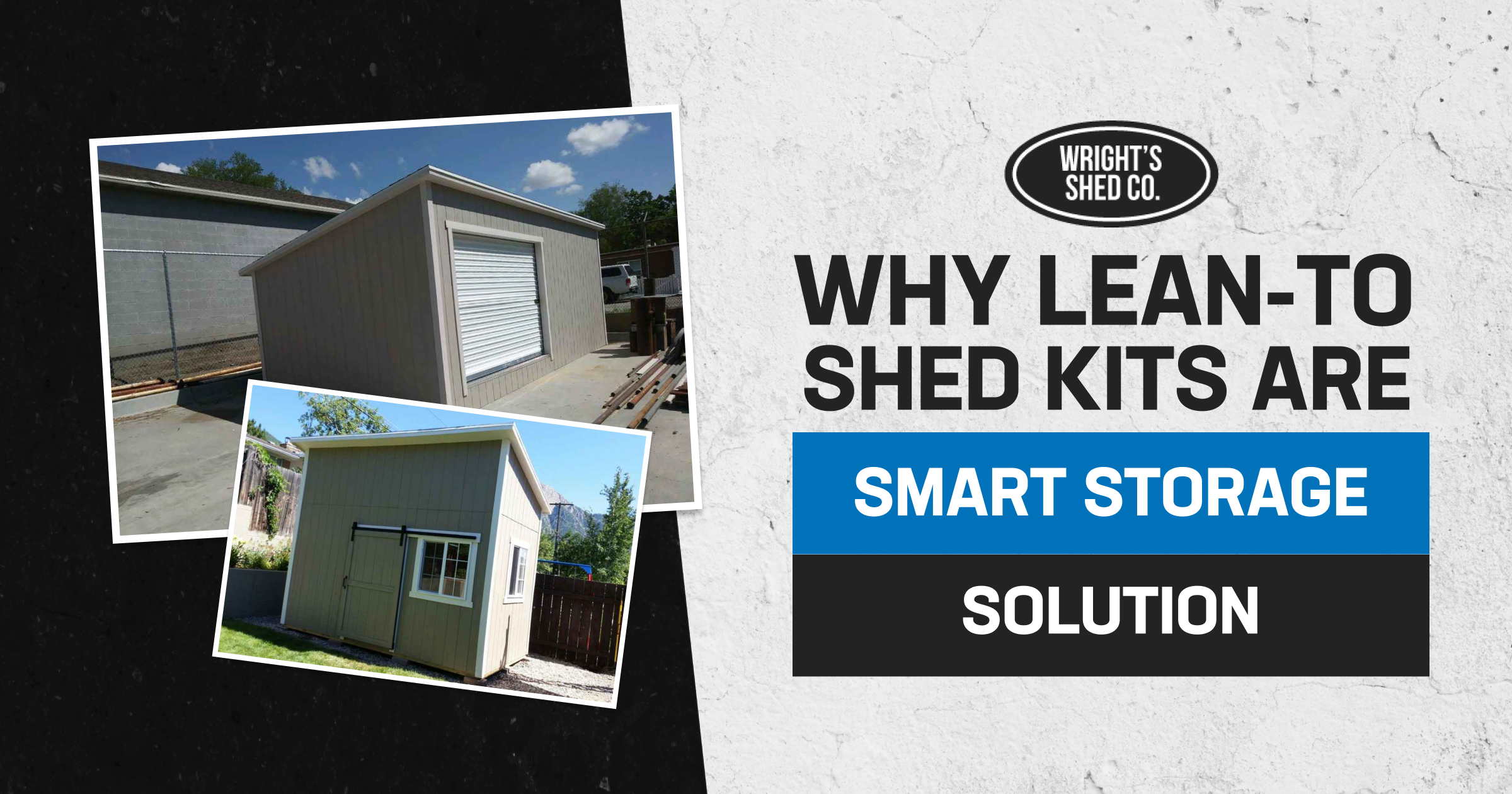
Why Lean To Storage Shed Kits Are Perfect for Tight Spaces
Lean to storage shed kits are compact outdoor structures with a single-sloped roof designed to fit snugly against an existing wall, fence, or building. Here’s what makes them an ideal storage solution:
Key Advantages of Lean To Storage Shed Kits :
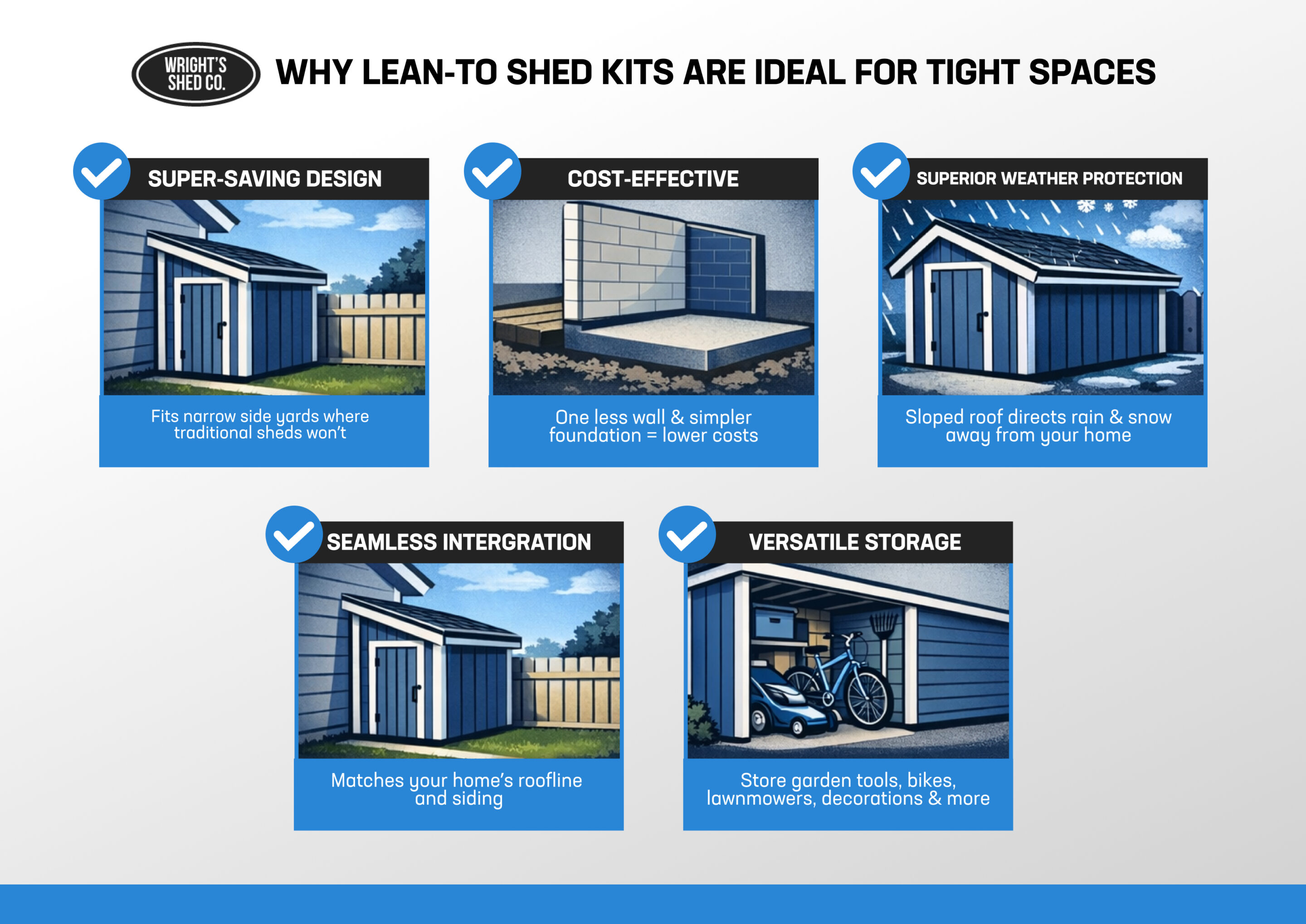
- Space-Saving Design – Fits in narrow areas like side yards where traditional sheds won’t work.
- Cost-Effective – Uses one less wall and often a simpler foundation, reducing material and labor costs compared to freestanding sheds.
- Superior Weather Protection – The single-slope roof efficiently directs rain and snow away from your home’s foundation, preventing water pooling and potential damage.
- Seamless Integration – Complements existing structures and can be designed to match your home’s roofline and siding.
- Versatile Storage – Perfect for decluttering your garage. Common items include garden tools, bicycles, lawnmowers, seasonal decorations, and pool supplies.
Common Sizes: 6×6 ft to 12×32 ft, with storage capacities ranging from small (25-40 sq ft) to large (75-100 sq ft).
Material Options: Wood (especially Western Red Cedar), vinyl, metal, or engineered siding with various roofing choices.
What Makes a Lean To Storage Shed Kits the Ultimate Space-Saver?
For homeowners in Utah, Idaho, Iowa, and Nebraska, a lean-to shed transforms a narrow, unused strip of land into a powerhouse of storage. The genius is in its efficiency: an 8×8 lean-to shed occupies a minimal 32 sq. ft. footprint but delivers approximately 190 cubic feet of storage volume. This allows you to reclaim your garage while keeping essential items organized and accessible.
The single-slope roof design not only protects your belongings but also directs rain and snow away from your main building’s foundation, a critical feature in our varied climates.
Smart Interior Organization Strategies
Maximizing your shed’s potential goes beyond its footprint. The key is to think vertically and use the entire interior volume. Here are some pro tips for organizing your lean-to shed:
- Go Vertical: Use wall-mounted racks for long-handled tools like rakes and shovels to free up valuable floor space.
- Install Shelving: Add adjustable shelves to organize bins, pots, and smaller supplies. This keeps items off the floor and easy to find.
- Use Hooks and Hangers: Heavy-duty hooks are perfect for hanging bicycles, hoses, and ladders, turning your walls into a functional storage system.
- Add a Loft: In taller sheds, a small loft provides excellent long-term storage for seasonal items like holiday decorations or outdoor furniture cushions.
- Magnetic Tool Strips: Install magnetic bars for easy, grab-and-go access to frequently used metal hand tools like screwdrivers, wrenches, and pliers.
By implementing these strategies, you can create a highly organized and efficient space that holds far more than you might expect.
A Builder’s Guide to Lean-To Shed Foundations
At Wright’s Shed Co., we know that the foundation is the bedrock of any durable structure. For your lean to storage shed kits, choosing and preparing the right foundation is paramount to its longevity and stability, especially with the diverse soil and weather conditions in Utah, Idaho, Iowa, and Nebraska. While we pride ourselves on building high-quality custom sheds and providing exceptional kits, we advise on foundation types rather than building them ourselves.
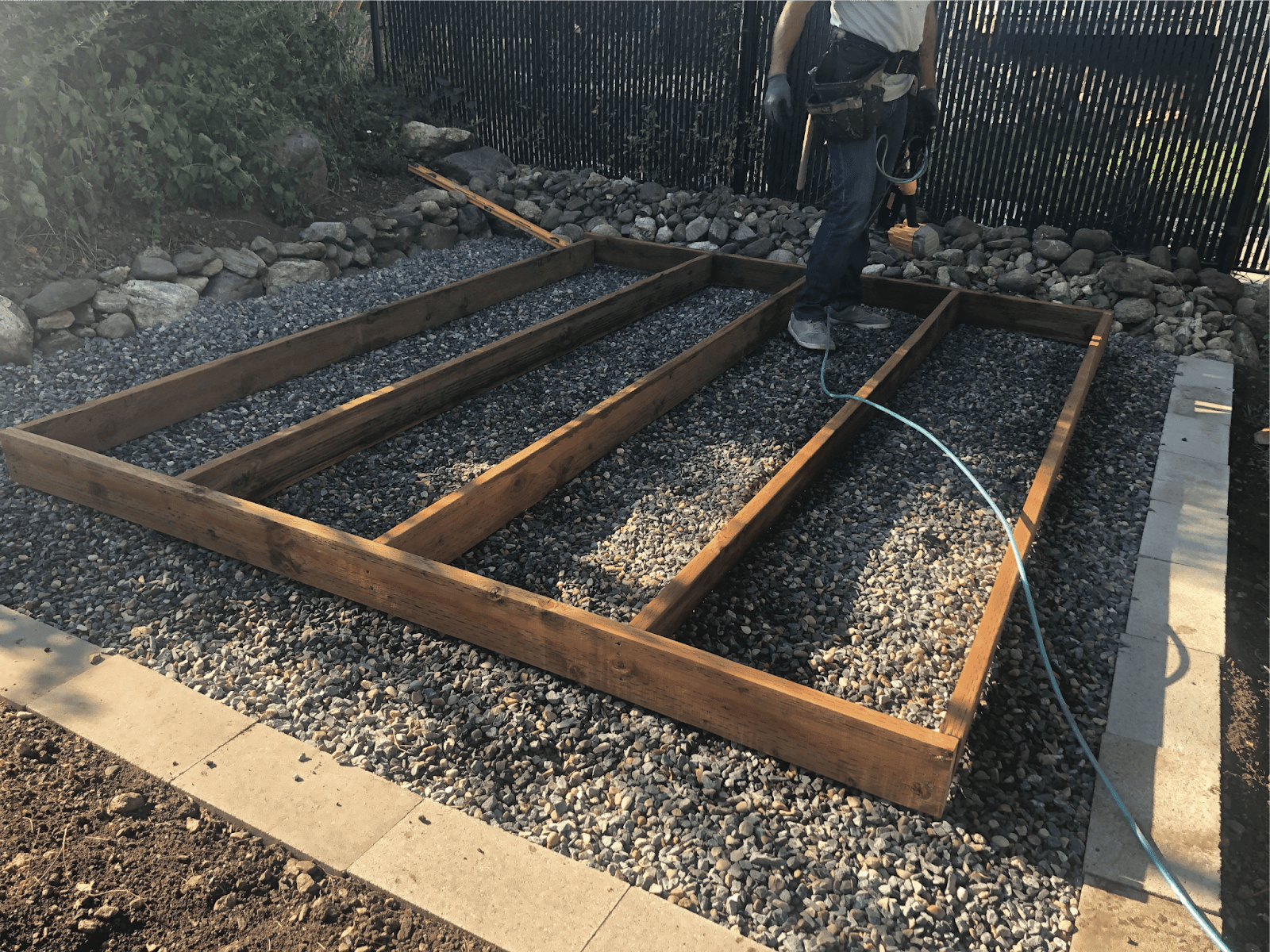
A proper foundation ensures your shed remains level, prevents moisture issues, and protects against ground shifting.
Comparing Foundation Types
When it comes to supporting your lean-to shed, there are three primary foundation types we recommend, each with its own set of advantages and considerations.
| Foundation Type | Advantages | Disadvantages | Ideal Use Case |
|---|---|---|---|
| Concrete Slab | – Permanent and Weather-Resistant: Offers the most durable and stable base, ideal for heavy items or frequent use. – Excellent Moisture Barrier: When installed with a vapor barrier, it provides superior protection against ground moisture. – Pest Deterrent: Reduces entry points for rodents and insects. |
– Higher Cost & Labor: Requires more materials, skilled labor, and time to install. – Immovable: Once poured, it’s a permanent structure. – Permit Often Required: May necessitate local building permits due to its permanence. – Curing Time: Requires a minimum 3,000 PSI mix and 7-10 days to cure before construction. |
For larger sheds, workshops, or sheds storing valuable equipment, especially in areas with varying soil conditions or where maximum stability and moisture protection are critical. A concrete slab is typically 3-4 inches thick laid over a subbase of 4 inches of gravel. |
| 4×4 Pressure-Treated Beams | – Durable & Flexible: Allows for airflow beneath the shed, preventing moisture buildup and rot. – Easier to Level: Can be adjusted more readily than a concrete slab, ideal for sloped ground. – Relatively Portable: Can be moved if needed (though challenging). – Good for Uneven Ground: Can adapt better to slight slopes. |
– Less Permanent: Requires a well-compacted base of 3/4-inch crushed stone to prevent settling over time. – Less Pest Resistant: More accessible to pests than a concrete slab. – Requires Airflow: Must be installed with proper spacing for ventilation, otherwise moisture can still be an issue. |
Suitable for medium-sized sheds, general storage, or in areas where a concrete slab is overkill or not feasible. It’s a great option for allowing airflow beneath the shed and can be secured with rebar driven 3-4 feet into the ground. |
| Patio Stones | – Fast & Easy: Quickest and simplest to install for stable, level ground. – Affordable: Lowest material and labor cost. – Good Drainage: Naturally allows for water to drain away. – Non-Permanent: Easy to remove or adjust. |
– Less Stable: Not suitable for very heavy sheds or uneven terrain without significant ground preparation. – Pest Access: Offers minimal protection against pests. – Requires Level Ground: Best for already stable and relatively level sites. |
Best for smaller, lighter lean-to sheds on very stable and well-drained ground, or as a temporary solution. Stones are placed under key floor joist points. |
A concrete slab for an 8×10 foot shed at a depth of 4 inches typically requires approximately 1 cubic yard of premixed concrete. For 4×4 pressure-treated beam foundations, we recommend laying beams perpendicular to floor joists and securing them with 1/2″ rebar driven 3-4 feet into the ground. It’s vital to leave the foundation sides or ends open for drainage and air circulation beneath the floor.
Site Preparation and Building Considerations
Before any construction begins, proper site preparation is essential. We always emphasize clearing the area of debris, vegetation, and ensuring the ground is as level as possible. For optimal drainage, the ground should ideally slope away from the shed site.
Excavating 4 inches and filling with gravel or crushed rock, covered by a landscape fabric, creates a stable and weed-free base. Always remember to use the 3-4-5 triangle method to ensure your foundation is perfectly square (measure 3 feet along one side and 4 feet along the adjacent side; the diagonal between them must be 5 feet for a true 90-degree corner).
Equally important is checking with your local municipality in Utah, Idaho, Iowa, or Nebraska regarding building codes and permit requirements. Depending on the size of your lean-to shed, you may need a permit. It’s always best to be compliant to avoid future headaches.
Also, before any digging, call 811 to have utility lines marked to ensure safety. For specific guidance, refer to Utah Building Code For Sheds.
Designing Your Perfect Lean to Storage Shed Kits
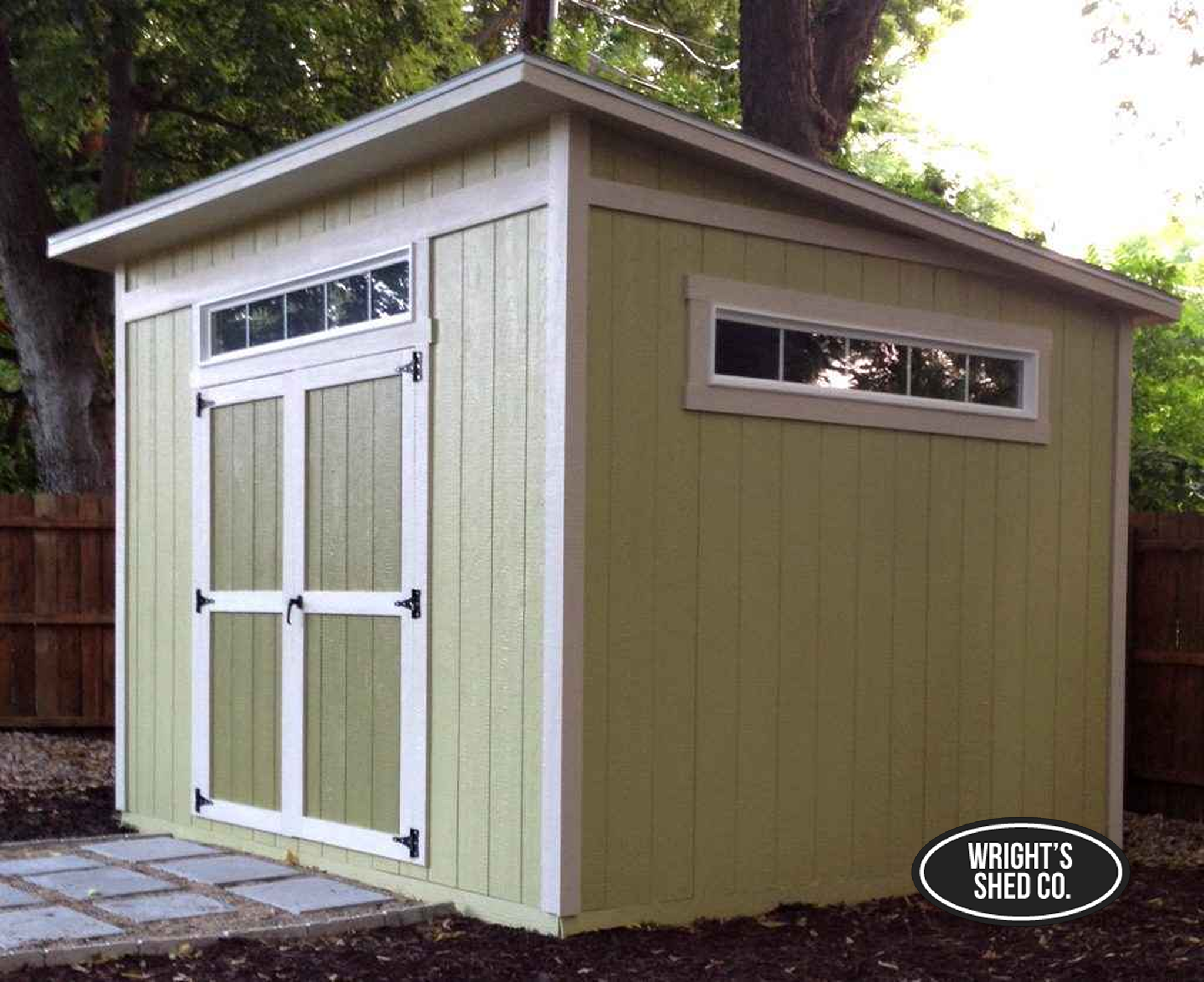
Choosing a lean to storage shed kit is an exciting step toward reclaiming your outdoor space. At Wright’s Shed Co., we believe your shed should not only be functional but also a beautiful addition to your property. This starts with selecting the right materials and customizing features to meet your exact needs and aesthetic preferences.
Choosing the Right Materials
The materials you choose for your lean-to shed kit will significantly impact its durability, maintenance, and appearance. We prioritize high-quality materials to ensure our sheds stand the test of time, enduring the varied climates of Utah, Idaho, Iowa, and Nebraska.
- Wood Sheds: Wood offers a classic, natural aesthetic that can be stained or painted to match your home. It’s a robust material, but its longevity often depends on the type of wood and how it’s treated.
- Western Red Cedar Benefits: For those seeking premium quality, Western Red Cedar is an exceptional choice. It’s naturally resistant to rot, decay, and insects, ensuring long-lasting durability and low maintenance. This lightweight wood is highly valued for its natural resistance properties and its ability to weather heavy rain, snow, hail, and strong winds.
- LP SmartSide Siding: We often use engineered wood products like LP SmartSide for our siding. This material is treated with the proprietary SmartGuard® process, which incorporates zinc borate to resist fungal decay and termites. This innovation is why it comes with a remarkable 50-year factory warranty against defects, offering superior protection and a beautiful finish.
- Roofing Options: You’ll typically have choices between durable roofing materials such as cedar, metal, or architectural shingles. Metal roofs and architectural shingles often come with warranties of 30 to 40 years, providing excellent protection against the elements.
Customizing Your Lean to Storage Shed Kits
One of the greatest advantages of choosing a lean to storage shed kit from us is the ability to customize it to fit your unique requirements. We understand that one size does not fit all, and your storage needs are as individual as your property.
- Typical Shed Sizes: Lean-to sheds are available in a wide range of sizes, from compact 6×6 ft models perfect for a few garden tools to expansive 10×20 ft structures that can serve as workshops or house larger equipment.
- Relating Size to Storage Needs: Take inventory of your largest items. A 6×8 ft shed is great for a push mower and hand tools. An 8×8 ft model (64 sq ft) can comfortably house a small riding mower and a wheelbarrow. For workshops or storing recreational gear like kayaks and bikes, a 10×12 ft or larger shed is ideal.
- Door Options: You can typically choose between a standard single door for walk-in access or double doors, which are essential for moving riding mowers and other bulky equipment. Many doors are steel-reinforced and come with lockable handles for security.
- Window Options: Adding windows can provide natural light, which is great if you plan to spend time in your shed or if you just want to easily find what you’re looking for. Options might include aluminum windows, transom windows, or even a decorative flower box for aesthetic appeal.
- Roof Material Choices: Beyond the standard plywood, cedar shingles, metal roofing, or architectural shingles are common options. Each offers different aesthetic and durability characteristics.
From Kit to Completion: The Assembly Process
Choosing a lean to storage shed kit offers the satisfaction of a DIY project with the assurance of pre-engineered components. While we specialize in custom-built sheds, we also provide kits for those who enjoy the hands-on experience. Our kits are designed for straightforward assembly, making the process achievable for most homeowners.
The panelized wall design ensures quick and hassle-free assembly, meaning no dangerous cutting or complicated tools are typically needed. We aim to make building your own shed an empowering experience.
What to Expect During Assembly
To help you plan, here’s a quick look at what’s involved in assembling your lean-to shed kit.
- Typical Tools Required: Cordless drill, level, tape measure, step ladder, hammer, and safety glasses. No specialty tools are needed.
- Estimated Assembly Time: For two adults with basic DIY experience, a small-to-medium kit can be assembled in 8-12 hours, making it a perfect weekend project.
Typical Assembly and Delivery for Lean to Storage Shed Kits
The journey from ordering your shed kit to its completion is designed to be as smooth as possible.
Assembly Overview:
- Floor Construction: This is usually the first step, involving assembling the floor joists and decking onto your prepared foundation.
- Wall Erection: Our panelized wall design means the siding is often pre-attached to the wall framing. You simply lift and secure these pre-built sections, making this stage much faster than traditional stick-built construction.
- Roof Installation: The roof components, including trusses and roofing material, are then installed, completing the basic structure.
- Finishing Touches: Finally, doors, windows, and any trim are added, bringing your lean-to shed to life.
Shipping and Delivery:
We offer convenient shipping and delivery processes for our lean to storage shed kits across Utah, Idaho, Iowa, and Nebraska. Products typically ship quickly, often within 1-3 weeks. Once on its way, you’ll receive tracking information. Delivery estimates usually range from 5-14 days after shipping, depending on distance and weather conditions.
Upon delivery, it’s crucial to inspect your freight carefully for any damages before signing the receipt. If you suspect any damage, note it on the delivery receipt and take pictures. This protects your claim should any issues arise.
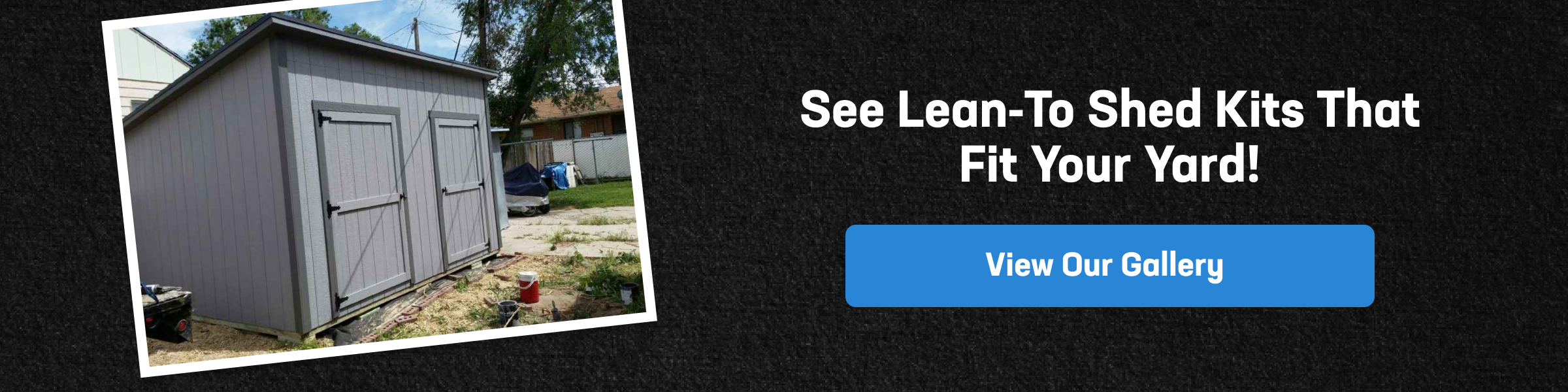
Frequently Asked Questions about Lean-To Sheds
What is the best material for a lean-to shed?
The “best” material often depends on your priorities, but we consistently recommend high-quality wood, especially Western Red Cedar, or engineered wood siding like LP SmartSide. Western Red Cedar offers natural durability, being inherently resistant to rot, decay, and insects, which translates to a long lifespan and minimal maintenance.
Engineered wood sidings provide excellent protection with long warranties, often 50 years for the panel siding, ensuring your shed can withstand the elements in Utah, Idaho, Iowa, and Nebraska for decades to come. These materials also offer great customization benefits, allowing you to paint or stain your shed to match your home perfectly.
How much storage space does a lean-to shed offer?
The storage capacity of a lean-to shed varies significantly with its size. A typical 8×8 lean-to shed, for instance, can provide approximately 190 cubic feet of storage. To truly maximize this volume, think vertically.
Install wall-mounted racks for long-handled tools, use adjustable shelving for bins, and add heavy-duty hooks for bikes and ladders. This keeps your floor space clear and your items accessible, allowing you to efficiently store garden tools, bicycles, lawnmowers, and seasonal decor without clutter.
Can a lean-to shed be physically attached to my house?
While lean-to sheds are designed to sit flush against a wall, we strongly advise against physically attaching them to your home. They are engineered as freestanding structures on their own foundations.
Attaching them can cause issues with differing foundation settlement between the house and shed, potentially voiding home warranties and creating complex waterproofing challenges. For a clean, integrated look, a non-structural flashing can be used to cover the small gap at the roofline.
Do I need a permit to build a lean-to shed?
Whether you need a permit for your lean-to shed depends on your local regulations in Utah, Idaho, Iowa, or Nebraska. Most municipalities have size thresholds – for example, sheds under a certain square footage (often 120 or 200 sq ft) or height may not require a permit. However, it’s always critical to check with your specific city or county planning department before starting any construction.
Ignoring permit requirements can lead to fines or the need to dismantle your shed. We always advise our customers to confirm local building codes to ensure compliance.
High-Quality Lean To Storage Shed Kits Built to Last
Choosing a lean to storage shed kit is a smart investment for any homeowner looking to expand their storage without sacrificing valuable yard space. From their space-saving design and inherent durability to the vast customization options available, these sheds offer a practical and aesthetically pleasing solution.
We’ve dedicated ourselves since 1997 to providing high-quality custom storage solutions across Utah, Idaho, Iowa, and Nebraska, ensuring every shed we build or supply as a kit meets our rigorous standards. With our expertise and commitment to using only the best materials, you can be confident that your lean-to shed will serve your needs for decades to come.
Ready to transform your unused outdoor space? Explore our complete shed kit guide and then get a custom quote today to start designing your perfect lean-to storage shed.