
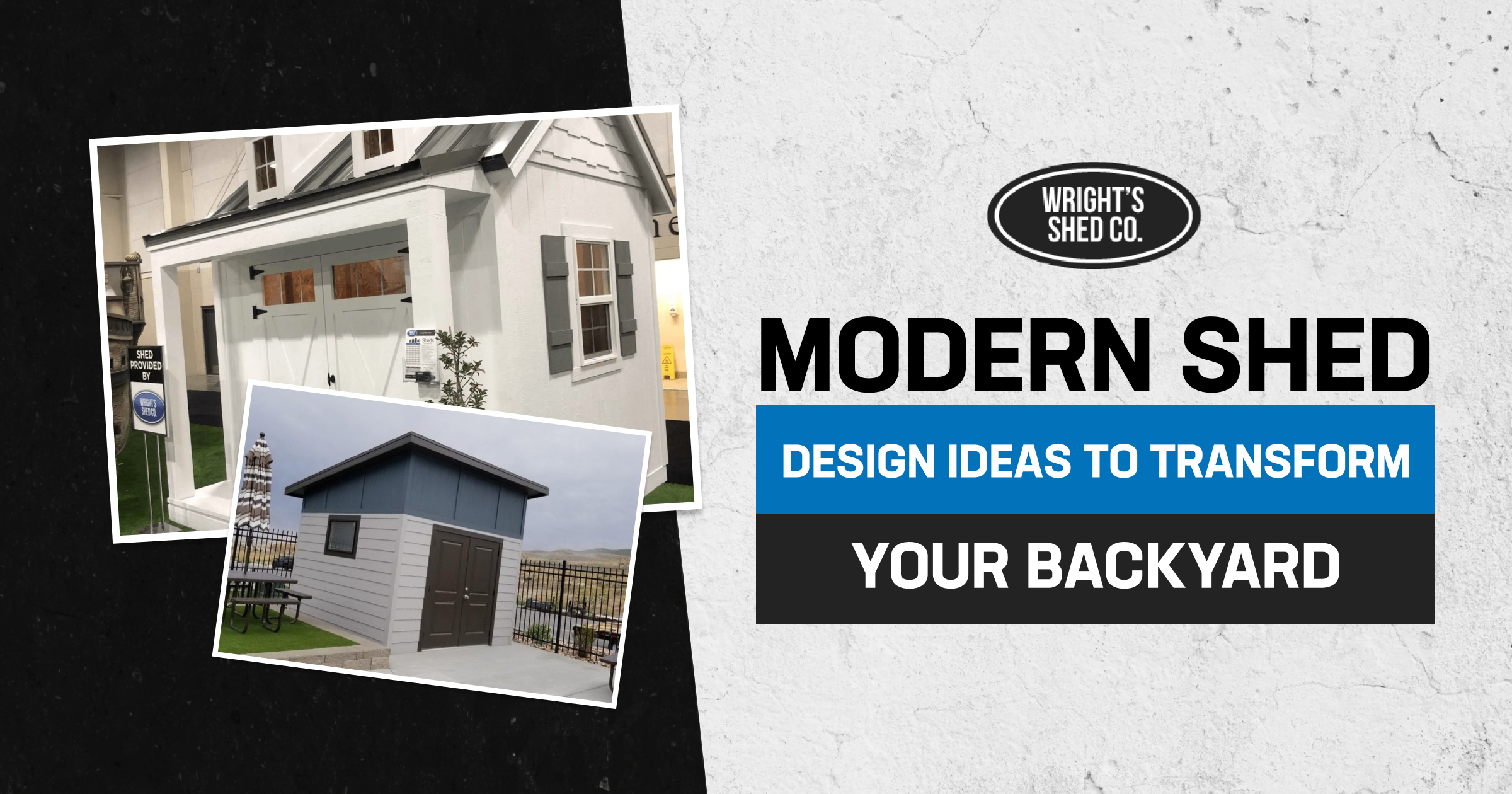
What Modern Shed Design Really Means (And Why Homeowners Are Rethinking Their Backyards)
Modern shed design represents a departure from traditional utilitarian outbuildings, moving toward clean-lined, highly functional structures that serve as extensions of the primary residence. This architectural shift prioritizes simple rooflines, optimized natural light, and high-performance materials. In practical terms, a modern shed is no longer just a place for lawnmowers; it is a precision-engineered environment designed for professional work, creative pursuits, or guest accommodation.
Across regions like Utah, Idaho, Nebraska, and Iowa, the demand for these structures has increased as homeowners seek flexible square footage without the disruption of a full home addition. Modern backyard buildings provide a controlled environment that can withstand diverse climates while maintaining a minimalist aesthetic that complements contemporary residential architecture.
Key takeaways in this article:
- Defining Modern Aesthetics: How minimalist principles differ from traditional gabled storage sheds.
- Structural Components: The role of mono-slope rooflines, clerestory windows, and engineered siding in long-term performance.
- Spatial Planning: Optimizing layouts for specific use cases like home offices, fitness studios, or guest retreats.
- Site Engineering: The technical requirements for foundations, drainage, and local permitting.
- Onsite Construction Advantages: Why building in place is superior for sloped lots and restricted access areas.
- Climate Control: Essential upgrades for year-round thermal comfort, including R-value considerations and HVAC integration.
The evolution of the backyard shed is driven by the need for intentional space. In urban centers like Salt Lake City, Boise, Omaha, and Des Moines, property values and the rise of remote work have made high-quality outbuildings a strategic investment. A well-executed modern shed must perform under local environmental stressors, ranging from heavy snow loads in the Intermountain West to high humidity and wind in the Midwest, requiring a focus on durability over mere visual appeal.
The Core Principles Of Modern Shed Design
Modern shed design is governed by the principle that form must support function. A structure should appear simple and intentional, yet it must be engineered to handle structural loads, facilitate proper drainage, and provide a comfortable interior environment. Achieving this balance requires careful consideration of geometry, light, and material science.
Rooflines, Glass, And Proportion
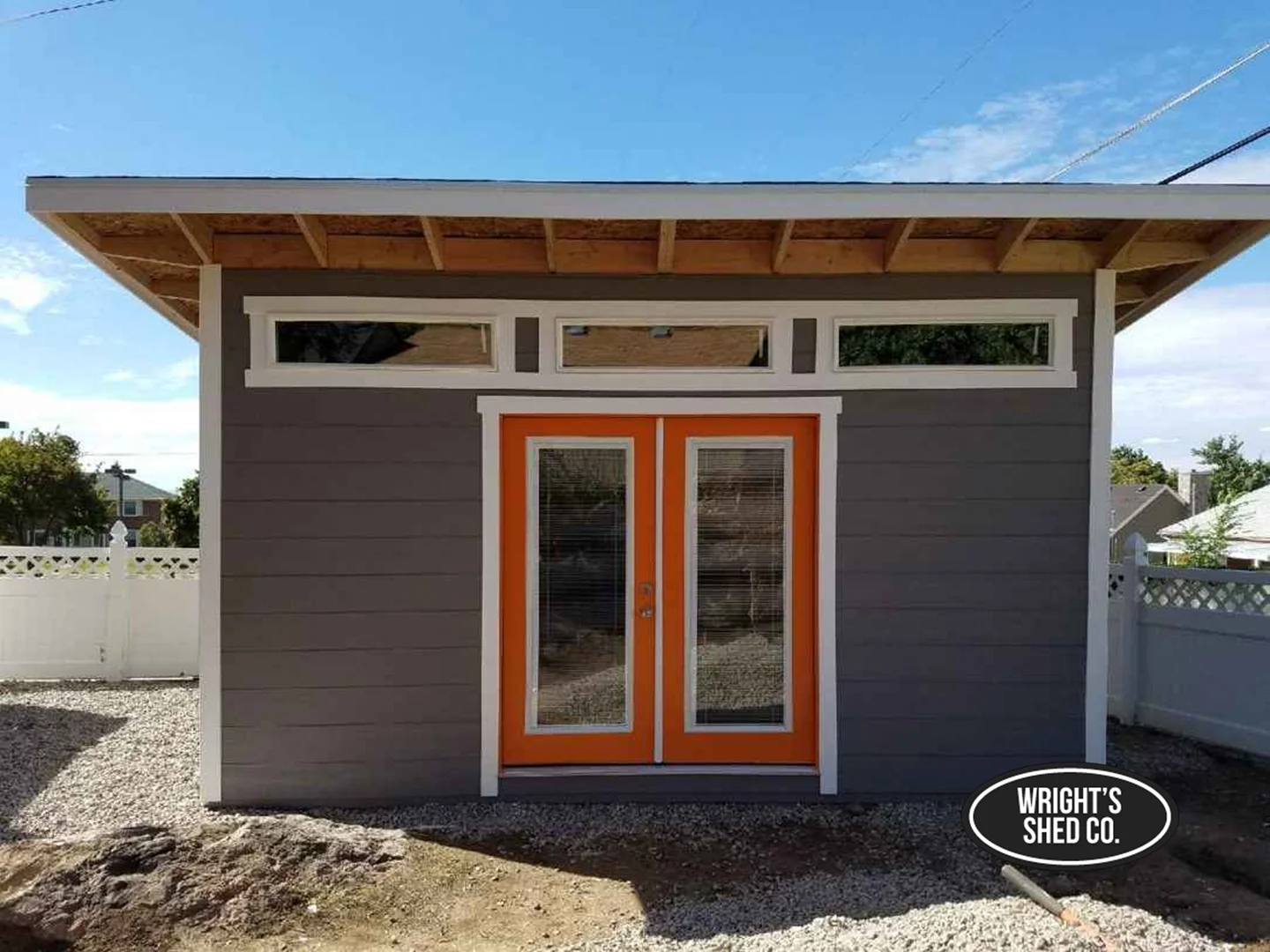
The roofline is the most defining characteristic of modern shed architecture. The mono-slope (or lean-to) roof is the standard choice, offering a crisp profile that efficiently sheds water and snow to one side. This design also allows for increased wall height on the high side, which is ideal for the installation of clerestory windows.
Clerestory windows are positioned high on the wall, allowing natural light to penetrate deep into the space while preserving privacy and leaving lower wall space available for furniture or equipment. This is particularly advantageous for backyard offices or art studios located near property lines. When planning glass elements, such as full-light French doors or sliding panels, it is critical to consider solar orientation. For instance, large glass exposures facing west in high-desert climates like Boise can lead to significant solar heat gain, necessitating the use of low-E glass or strategic roof overhangs.
For further exploration of architectural variations, homeowners often review modern shed inspiration to understand how different window placements influence interior light quality.
Material Selection and Structural Integrity
Materials in modern shed design are selected based on their lifecycle, maintenance requirements, and resistance to environmental decay. Engineered wood products, such as LP SmartSide, are frequently utilized because they offer the aesthetic of traditional wood but are treated with zinc borate to resist moisture, fungal decay, and termites. These products often carry significant manufacturer warranties, such as a 50-year limited warranty on the substrate, providing long-term security for the investment.
Framing materials also play a vital role. Using high-quality, stable lumber like Norway Spruce ensures that the structure remains true over time, preventing door misalignment and structural settling. This is especially important in regions with extreme freeze-thaw cycles. Metal roofing is another hallmark of the modern style, providing a sleek finish and superior performance against hail and heavy snow accumulation.
Layout Optimization by Use Case
The footprint of a modern shed should be dictated by its primary function. A storage-focused building prioritizes volume and accessibility, whereas a workspace requires a focus on ergonomics and circulation. Understanding shed roof designs is essential for determining usable vertical space and overhead storage potential.
| Use Case | Ideal Dimensions | Technical Priorities |
|---|---|---|
| Backyard Office | 10′ x 12′ | Acoustic insulation, electrical load for tech, natural light |
| Creative Studio | 12′ x 16′ | Uninterrupted wall space, ventilation, washable surfaces |
| Guest Retreat | 12′ x 20′ | Thermal envelope (R-value), privacy, HVAC integration |
| Fitness Center | 10′ x 14′ | Ceiling height, reinforced flooring, high-volume ventilation |
The Importance of Onsite Construction
Onsite construction is often the most effective method for modern sheds, particularly on properties with limited access or significant slopes. Unlike pre-built units that are dropped into place via crane or trailer, onsite builds allow for precise adjustments to the foundation and framing based on the specific topography of the yard. This ensures a more stable structure and a better aesthetic fit within the existing landscape.
Planning And Executing Your Modern Shed Design
Successful execution of a modern shed design requires rigorous pre-construction planning. This phase addresses the technical requirements that ensure the building is safe, legal, and durable. From soil stability to municipal codes, every detail impacts the longevity of the structure.
Foundation Engineering and Site Preparation
The foundation is the most critical component of any backyard building. It must distribute the weight of the structure evenly and prevent moisture from wicking into the floor system. While several options exist, the choice usually depends on the intended use and local soil conditions.
- Compacted Gravel Pads: These are highly effective for drainage. By using a leveled bed of crushed stone, water is diverted away from the wooden floor joists, reducing the risk of rot.
- Concrete Slabs: For larger modern studios or structures intended for heavy equipment (like home gyms), a concrete slab provides a permanent, high-capacity base. It also allows for the installation of finished flooring like polished concrete or tile.
Site preparation must involve clearing organic debris and ensuring the grade slopes away from the building to prevent hydrostatic pressure against the foundation. In regions with high water tables or heavy spring runoff, proper grading is non-negotiable.
For more detailed layout strategies, this guide on design features provides additional context on site integration.
Navigating Permits and Zoning
Permitting requirements for accessory dwelling units (ADUs) or sheds vary significantly by municipality. In many areas of Utah and Idaho, structures under 200 square feet may not require a full building permit, but they must still adhere to zoning laws regarding setbacks and height. In contrast, parts of Iowa and Nebraska may have lower thresholds, often requiring permits for anything over 120 square feet.
Key regulatory factors to verify:
- Setbacks: The minimum distance required between the shed and property lines or the primary residence.
- Easements: Ensuring the structure does not sit over utility lines or drainage easements.
- Height Restrictions: Many HOAs and cities limit the peak height of accessory structures to maintain neighborhood sightlines.
- Utility Connections: Adding electricity or plumbing almost always triggers a permit requirement, regardless of the shed’s size.
Functional Upgrades for Year-Round Comfort
To transform a shed into a truly livable space, the thermal envelope must be addressed. Standard sheds are often uninsulated, making them unusable during the peak of summer or depth of winter. Modern designs incorporate high-performance insulation (such as rockwool or spray foam) to maintain stable interior temperatures.
Climate control is best managed through a ductless mini-split system. These units provide both heating and cooling with high energy efficiency and a small footprint. Additionally, electrical planning should account for dedicated circuits if the space will house high-draw appliances like space heaters, treadmills, or server racks. For those still exploring the possibilities of their space, creative shed ideas can offer insight into how these upgrades facilitate different lifestyles.
Frequently Asked Questions on Modern Shed Design
How do I determine the best orientation for my modern shed?
Orientation should be based on natural light needs and solar heat gain. North-facing windows provide consistent, soft light ideal for studios, while south-facing windows can help with passive heating in colder climates.
Is a permit required for a modern shed with electricity?
In most jurisdictions, any structure with permanent electrical wiring requires an electrical permit and inspection to ensure safety and compliance with the National Electrical Code (NEC).
What is the benefit of a mono-slope roof over a traditional gable?
A mono-slope roof offers a modern aesthetic, simplifies water runoff to a single side of the building, and allows for higher ceilings and clerestory windows on the opposite side.
How long does the onsite construction process take?
Depending on the complexity and size, most modern sheds are framed, roofed, and sided within one to three days by an experienced crew.
Can a modern shed be fully soundproofed?
While total soundproofing is difficult, using acoustic insulation, double-pane windows, and specialized drywall can significantly reduce exterior noise, making it suitable for recording studios or quiet offices.
Final Thoughts on Modern Shed Design
Investing in a modern shed design is a practical way to enhance your property and your daily life. At Wright’s Shed Co., we are dedicated to building high-quality, onsite structures that meet the unique needs of homeowners in Utah, Idaho, Iowa, and Nebraska. Since 1997, our focus has remained on precision craftsmanship and the use of premium materials. We believe that every backyard has the potential to host a beautiful, functional sanctuary.
By choosing a modern shed design, you are opting for a structure that will stand the test of time. Whether you need a quiet place to work or a creative space to explore your passions, we are here to help. Our team provides the expertise needed to turn your vision into a reality that adds lasting value to your home. Contact us to start your project today.