
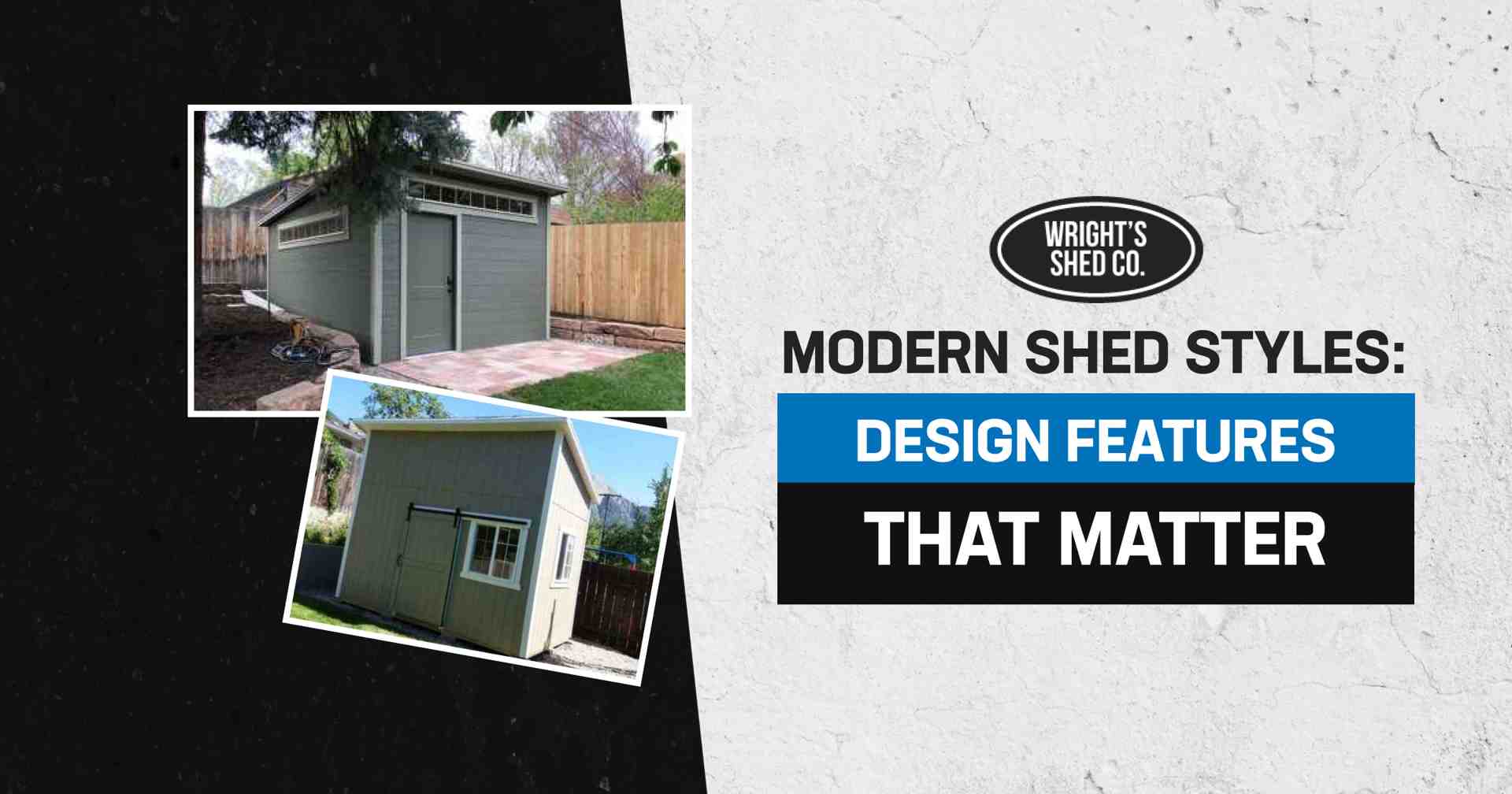
Modern shed styles: 75 Best Ideas 2025
Why Modern Shed Styles Are Changing Backyard Spaces
Modern shed styles represent a significant departure from the traditional utility buildings of the past. These contemporary structures are defined by clean lines, geometric simplicity, and a focus on architectural integration. Rather than serving as hidden storage for lawn equipment, modern sheds are increasingly designed as high-functioning extensions of the primary residence. This shift is driven by the growing need for flexible square footage, such as dedicated home offices, creative studios, or wellness spaces.
In architectural terms, “modern” refers to a specific design language that prioritizes structural honesty and the removal of unnecessary ornamentation. This guide explores the technical and aesthetic components that define these buildings, providing an expert perspective on how to select and implement a structure that enhances both property value and lifestyle utility.
Here’s what you’ll learn in this guide:
- Architectural Fundamentals: The specific design elements (roof pitch, window placement, and material selection) that define the modern aesthetic.
- Regional Adaptations: Which modern styles are best suited for the unique climates and home designs found in Utah and Idaho.
- Technical Planning: How to determine the ideal size, layout, and material specifications based on intended use cases.
- Regulatory Compliance: Essential information regarding site preparation, property setbacks, and the permitting process for accessory structures.
Understanding these elements is crucial for any homeowner looking to add a durable, aesthetically pleasing, and functional building to their landscape. While many structures are built onsite to ensure precision and alignment, the success of a modern shed project begins with a comprehensive understanding of contemporary design principles.
Defining Modern Shed Styles: Core Features That Actually Matter
Modern shed styles prioritize architectural intentionality. The goal is to create a structure that feels like a deliberate part of the landscape rather than an afterthought. To achieve this, builders and designers focus on several key technical features.
The “Modern” Checklist (Architectural Perspective)

When evaluating a shed design for modern authenticity, several specific build decisions dictate the final outcome and the long-term performance of the space.
Clean Lines and Minimalist Trim
Modern design is characterized by the absence of decorative flourishes. This means avoiding traditional dormers, scalloped edges, or heavy corner boards. Instead, modern sheds utilize flush transitions and minimalist trim packages. This creates a sharp, high-contrast look, particularly when utilizing dark palettes or mixed-material facades.
Monopitch and Low-Slope Rooflines
While traditional sheds often use gable or gambrel roofs, modern styles favor the monopitch (lean-to) or flat roof profile. These designs offer several technical advantages:
- Increased Vertical Volume: A single-slope roof allows for higher ceilings on one side, which is ideal for tall storage or a more spacious interior feel.
- Clerestory Window Integration: The high side of a monopitch roof provides the perfect location for narrow, horizontal windows that provide light without sacrificing privacy.
- Effective Drainage: When engineered correctly, these slopes efficiently manage snow and rain, which is a critical consideration for the heavy winter loads seen along the Wasatch Front.
Strategic Fenestration (Window Planning)
In a modern shed, window placement is a functional tool rather than a decorative one.
- For Home Offices: Windows should be placed to provide ambient light without creating glare on digital screens.
- For Art Studios: High-placed windows (clerestory) offer consistent, diffused light throughout the day.
- For Privacy: Utilizing frosted glass or high-set windows allows for natural light in dense residential areas without exposing the interior to neighbors.
Modern vs. Traditional: A Technical Comparison
| Feature | Modern Shed Styles | Traditional Shed Styles |
|---|---|---|
| Roof Geometry | Monopitch, Flat, or Low-Slope | Gable, Gambrel (Barn), or Saltbox |
| Trim Detail | Minimalist, flush, or hidden fasteners | Decorative, wide-profile, or overlapping |
| Window Style | Large panes, clerestory, or geometric | Small, divided-lite, or shuttered |
| Siding Materials | Mixed textures (Metal, Cedar, Smooth Panel) | Uniform (Vinyl, T-111, or Lap Siding) |
| Primary Function | Flex-space, Office, Studio | Storage, Workshop, Utility |
For further visual inspiration, homeowners can explore modern shed ideas on Houzz to see how these features are applied in various landscapes.
Popular Modern Shed Styles
1. The Minimalist Monopitch
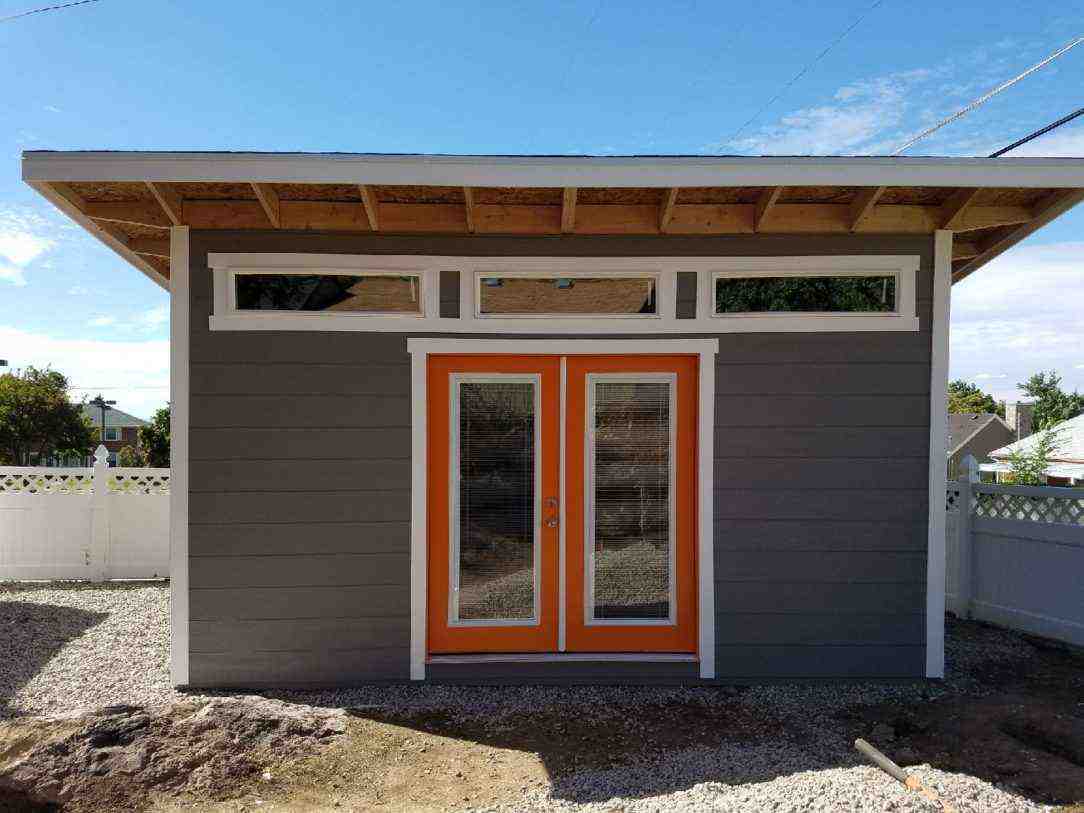
This is the most common modern style, featuring a single-slanted roof. It is highly compatible with contemporary new-builds in developing areas like South Jordan or Eagle Mountain. Its simplicity makes it an excellent candidate for high-end finishes like standing-seam metal.
2. Mid-Century Modern (MCM) Inspired
Characterized by horizontal orientations and large glass expanses, this style pairs perfectly with the ranch-style homes found in established neighborhoods like Holladay or Boise’s North End. It emphasizes a connection between the indoor and outdoor environments.
3. Scandinavian (Nordic) Modern
This style focuses on warmth and light. It often utilizes light-toned wood accents (like cedar) and white or light-gray siding. It is particularly effective in shaded yards where maximizing interior brightness is a priority. For those planning a dedicated workspace, understanding the future of working from home can help in tailoring a Scandinavian design for maximum productivity.
Choosing Modern Shed Styles That Fit Your Yard, Budget, and Local Rules
Selecting a modern shed style requires balancing aesthetic desires with the practical realities of your site and local regulations. A well-planned project avoids common pitfalls related to zoning and structural integrity.

A Professional Planning Framework
- Identify the Primary Utility: The building’s purpose dictates the technical requirements. A gym requires reinforced flooring and ventilation, while an office requires specific electrical and insulation planning.
- Scale and Proportion: Choose a size that complements the primary residence. An 8×10 is suitable for a compact workspace, but a 12×16 or larger is often necessary for multi-use flex spaces.
- Circulation and Access: Map out the walking paths in your yard. Ensure the door placement accounts for snow accumulation and ease of entry during winter months.
- Material Selection for Longevity: Modern sheds often use premium materials. Consider the maintenance requirements of natural wood versus the durability of engineered composites.
For a comprehensive guide on the design process, refer to our resource on designing your own shed.
Navigating Permits and Setbacks
In Utah and Idaho, accessory structures are subject to local building codes. Homeowners must be aware of several key factors:
- Setback Requirements: Most municipalities require a minimum distance between the shed and property lines, fences, or other structures. This is often a fire safety requirement.
- Height Restrictions: Modern sheds with monopitch roofs can sometimes exceed height limits if the pitch is too steep. Always verify the maximum allowable peak height.
- Permit Thresholds: Many cities allow structures under 200 square feet without a building permit, but electrical and plumbing work almost always requires separate permits. The International Code Council (ICC) provides the baseline standards that most local jurisdictions follow.
Site Preparation and Foundation Engineering
The longevity of a modern shed depends entirely on its foundation. While the shed itself is built to high standards, the base must be level and stable to prevent racking or door misalignment over time.
Common Foundation Types:
- Crushed Stone/Gravel Pad: Provides excellent drainage and is the most common choice for standard sheds.
- Concrete Slab: Recommended for structures intended for heavy use, such as home gyms or workshops with heavy machinery.
- Concrete Piers: Ideal for sloped lots or areas where drainage is a significant concern.
Proper placement also involves aesthetic integration. You can find more information on shed blending ideas to ensure the structure sits naturally within your landscaping.
Material Durability in Mountain Climates
Modern shed styles in the Intermountain West must withstand extreme UV exposure and heavy snow.
- Engineered Wood Siding: Products with a high-quality factory warranty (often up to 50 years on the panel itself) offer the look of wood with significantly less maintenance.
- Metal Accents: Standing seam metal roofing is not only a hallmark of modern design but also sheds snow more effectively than asphalt shingles.
- Cedar Detailing: When used for accents, cedar provides natural rot resistance and a high-end architectural finish.
Frequently Asked Questions About Modern Shed Styles
What is the most durable siding for a modern shed?
Engineered wood panels and metal siding are among the most durable options. They provide the flat, clean surfaces required for the modern look while resisting the warping and cracking that can affect traditional wood in dry, high-altitude climates.
How does roof pitch affect a modern shed’s performance?
A lower pitch (e.g., 2/12 or 3/12) is common for modern aesthetics, but in high-snow areas, a slightly steeper pitch may be required to ensure snow slides off or to meet structural load requirements.
Can modern sheds be fully insulated?
Yes. Because modern sheds are often used as living or workspaces, they are frequently designed with 2×4 or 2×6 wall studs that accommodate standard fiberglass batt, mineral wool, or spray foam insulation.
Do I need a concrete foundation for a modern office shed?
While not always required, a concrete slab provides the most stable base for a finished interior. If using a gravel base, it must be perfectly leveled and compacted to prevent the structure from settling, which can cause drywall cracks or door sticking.
How do I ensure my modern shed matches my home?
Focus on “material echoing.” Use the same trim colors, similar siding textures, or matching roofing materials to create a visual link between the primary residence and the new structure.
Choosing Modern Shed Styles With Confidence
Investing in a modern shed is an effective way to add functional beauty to a property. By focusing on the core principles of contemporary design—clean lines, intentional lighting, and durable materials—homeowners can create a space that serves their needs for decades. The key to success lies in the details: choosing the right roof profile, ensuring proper site preparation, and adhering to local building codes.
For those ready to move from the planning phase to execution, reviewing Lean-to Shed Pricing can provide a baseline for budgeting your project. Whether the goal is a quiet backyard retreat or a high-tech home office, modern shed styles offer the versatility to make it possible.