
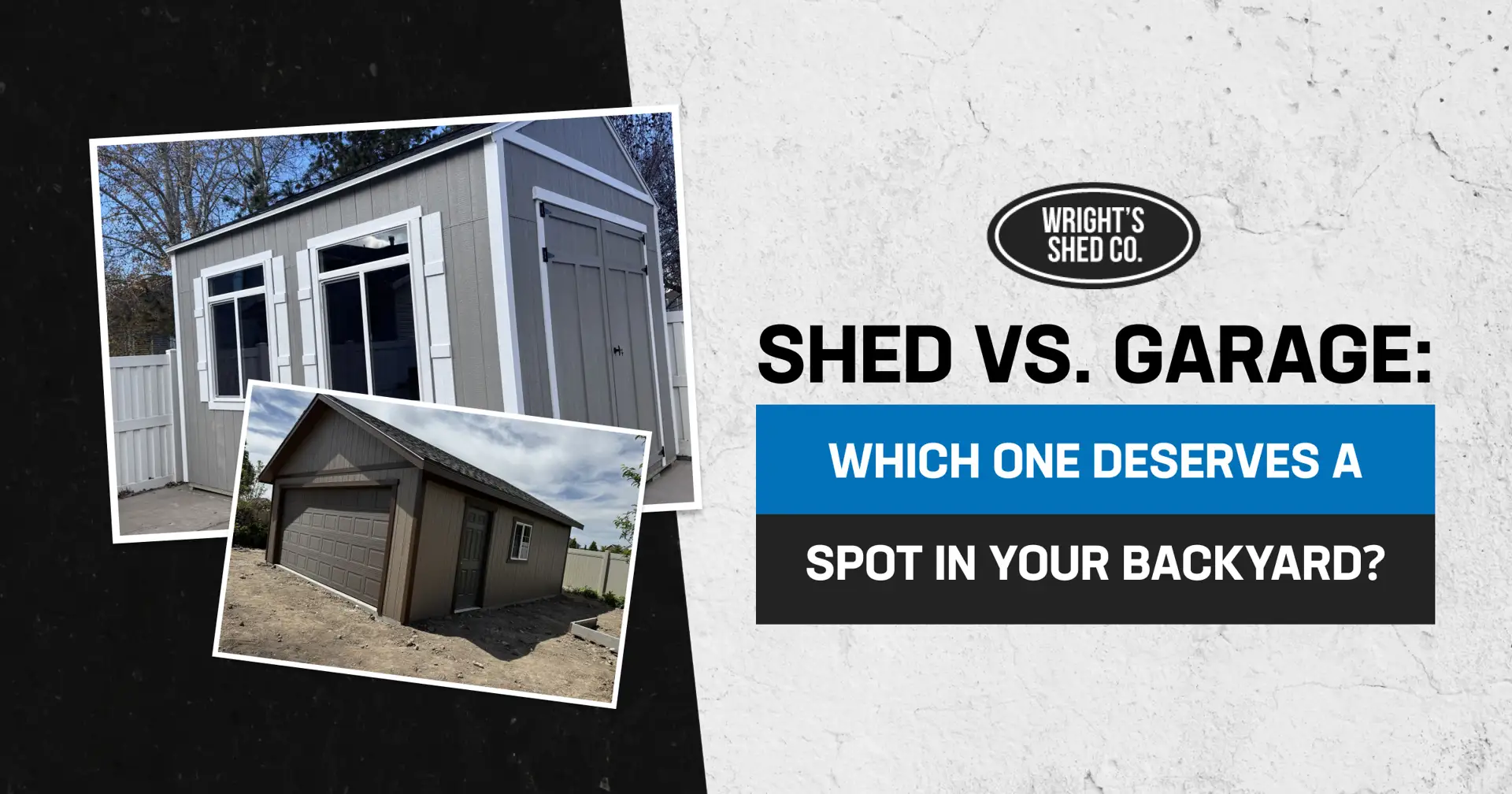
Shed vs. Garage: Which One Deserves a Spot in Your Backyard?
Garage vs Shed: A Technical and Practical Comparison
Deciding between a garage vs shed involves more than just picking a size; it requires an understanding of structural engineering, local building codes, and long-term site utility. While both provide shelter, they are designed to meet different performance standards.
A garage is typically engineered as a Class 1 structure intended for vehicle storage, requiring specific fire-rating considerations and heavy-load flooring. A shed is generally classified as an accessory structure, optimized for static storage and flexible utility.
Choosing the wrong structure can lead to significant issues, such as foundation failure under vehicle weight or permit violations that complicate future property sales. This guide examines the technical differences to help homeowners make an informed investment.
Core Comparison Overview
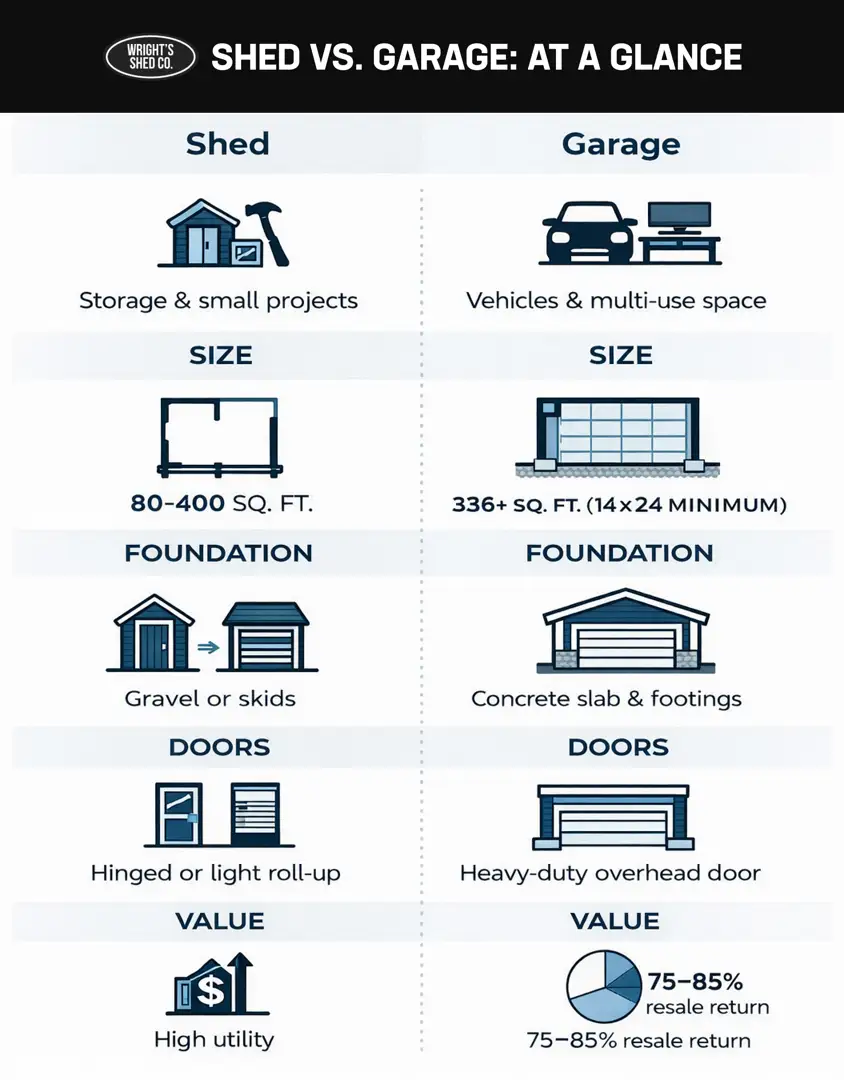
| Feature | Storage Shed | Detached Garage |
|---|---|---|
| Primary Engineering | Static storage, workshops | Dynamic vehicle loads, multi-use |
| Standard Footprint | 80 sq. ft. to 400 sq. ft. | 336 sq. ft. (14×24) minimum |
| Foundation Type | On-grade (Gravel/Skids) | Permanent (Concrete Slab/Footings) |
| Structural Framing | 2×4 or 2×6 at 16″-24″ OC | 2×4 or 2×6 at 16″ OC (Engineered) |
| Access Systems | Hinged or light roll-up doors | Heavy-duty sectional overhead doors |
| Permit Complexity | Low (often exempt under 200 sq ft) | High (requires site plans & inspections) |
| Estimated ROI | High utility, moderate value | 75%-85% average resale value |
Understanding these distinctions is vital for residents in regions with extreme weather, such as the Intermountain West and the Great Plains. In these areas, snow loads and wind speeds dictate the minimum structural requirements for any outbuilding.
Key Differences Between a Garage vs Shed
When evaluating a garage vs shed, the engineering requirements diverge based on the intended “live load” and “dead load.” A shed is designed to hold the weight of the building itself and stored items. Vehicle storage solutions must account for the concentrated point loads of vehicles, which can exceed 4,000 lbs per vehicle.
Dimensional Planning: Beyond the Footprint
Homeowners often underestimate the “working clearance” needed inside a structure. A 12×20 shed might seem large, but once you account for 3.5-inch wall thickness and shelving, the internal floor space shrinks significantly.
Shed Utility Benchmarks:
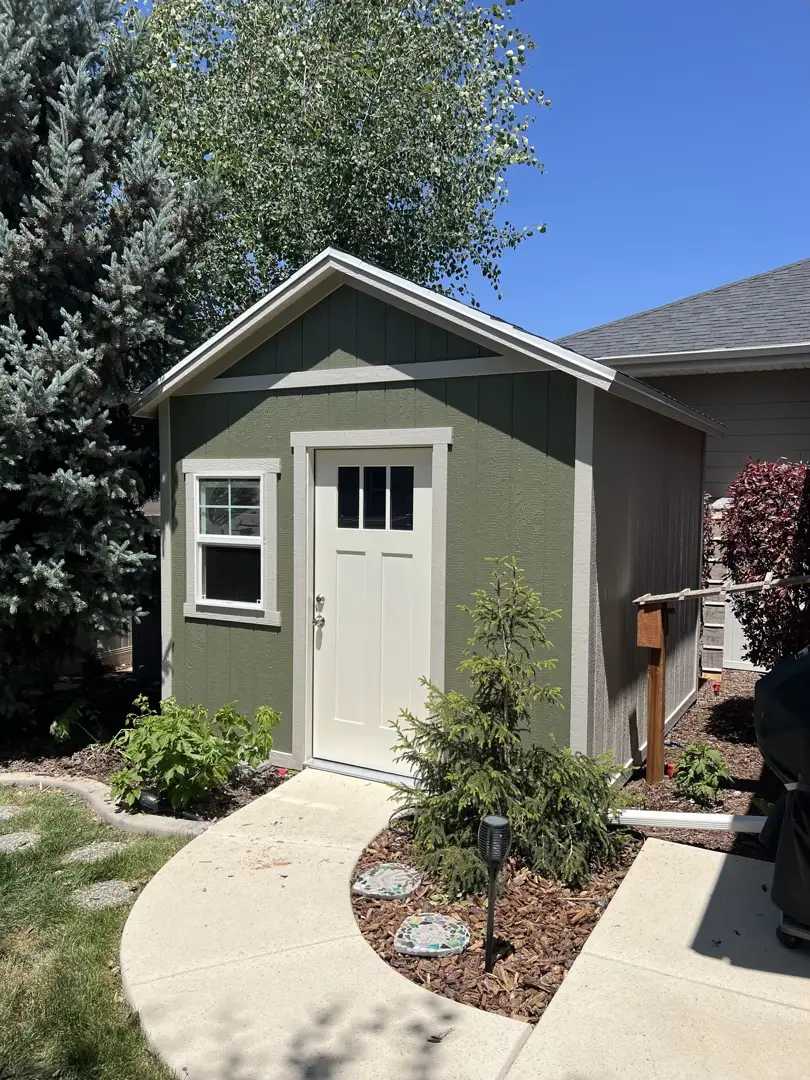
- Small (8×10 to 10×12): Ideal for vertical storage, push mowers, and seasonal bins. These rarely require a permanent foundation.
- Medium (12×16 to 12×24): Suitable for riding mowers, ATVs, and small workshops. At this size, floor joist spacing (12″ on center vs 16″ on center) becomes critical for heavy equipment.
- Large (14×28 and up): Can function as a “tiny garage” for a single vehicle, provided the floor system is reinforced with additional pressure-treated skids and thicker subflooring.
Garage Utility Benchmarks:
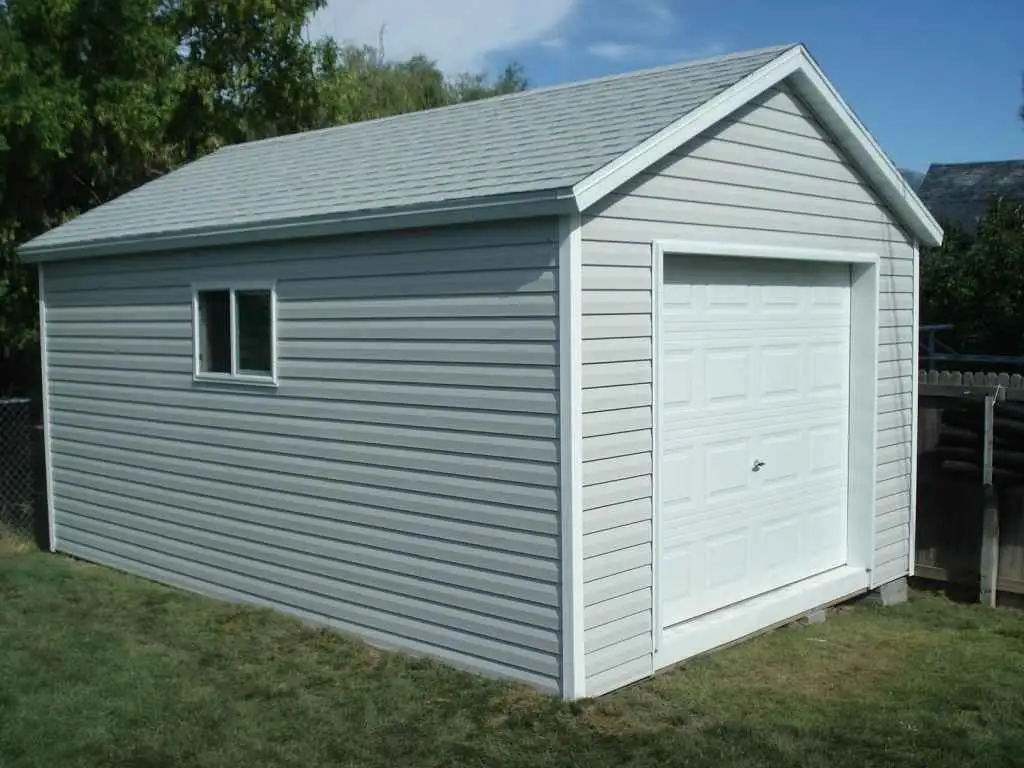
- Single-Car (14×24): The minimum functional size to allow a vehicle door to open fully without hitting the wall.
- Double-Car (24×24): The standard for modern SUVs and trucks, providing enough depth for a workbench at the rear.
Foundation Engineering: The Structural Anchor
The foundation is the most significant technical divide. A shed typically utilizes an “on-grade” foundation. This usually consists of a leveled gravel pad (4-6 inches of compacted 3/4″ road base) which allows for drainage and minor soil movement.
A garage requires a “permanent” foundation, usually a monolithic concrete slab or a stem wall with footings. This is necessary because vehicles create dynamic loads, vibration and weight shifts, that would cause a gravel-based shed floor to shift or crack. In states like Utah and Idaho, footings must be placed below the frost line (often 30-36 inches deep) to prevent “frost heave” from damaging the structure.
Door Systems and Mechanical Requirements
Access points are often the first point of failure in poorly planned buildings.
- Shed Doors: Usually swinging double doors. While aesthetically pleasing, they require a clear “swing radius” outside the building, which can be difficult in heavy snow. Roll-up doors are a space-saving alternative but offer less insulation.
- Garage Doors: Sectional overhead doors are the standard. They require “headroom” (the space between the top of the door and the ceiling) for the tracks and motor. If you plan to install a car lift, you must specify “high-lift” tracks during the design phase.
Regional Compliance: Permits and Zoning
In the Intermountain West and Midwest, zoning laws vary by municipality. However, common patterns exist across Boise, Salt Lake City, and Omaha:
- The 200-Square-Foot Rule: Many counties allow structures under 200 sq. ft. without a building permit, provided they do not have electricity or plumbing.
- Setback Requirements: Most cities require a 3-to-10-foot gap between the structure and the property line. Garages often have stricter setbacks than sheds because they are considered “high-use” structures.
- Fire Separation: If a garage is built within a certain distance of the primary residence (usually 5-10 feet), building codes may require fire-rated drywall (Type X) on the interior walls.
For those planning a larger project, our garage building ultimate guide provides a detailed breakdown of the permitting process.
Cost Analysis: Investment vs. Utility
A garage is a more expensive undertaking due to the “hard costs” of concrete and specialized labor.
- Shed Costs: Primarily driven by lumber prices and siding choices. Because they can sit on gravel, the site prep is significantly cheaper.
- Garage Costs: The concrete slab alone can represent 20-30% of the total project cost. Additionally, garages require more robust framing to support the wide spans of an overhead door header.
For a detailed look at how these costs break down, you can explore more info about garage pricing.
Environmental Durability: Snow, Wind, and Moisture
In regions like Northern Utah or Nebraska, the “Garage vs Shed” debate must include weather resistance.
- Snow Load: A garage roof is often engineered for 30-50 lbs per square foot (psf) depending on elevation. Sheds should be built to similar standards if they are located in high-snow areas like Rexburg or Logan.
- Ventilation: Condensation is the “silent killer” of outbuildings. Without ridge vents or gable vents, moisture from a wet car or mower will trap against the roof sheathing, leading to mold.
- Siding: We utilize high-performance panel siding. It is important to note that while the siding may carry a 50-year factory warranty, the structural integrity depends on proper installation and maintenance.
Strategic Layouts for Property Optimization
- The Dual-Structure Approach: Using a garage for the daily driver and a shed for “dirty” storage (gasoline, fertilizers, lawn equipment). This prevents odors from entering the vehicle cabin.
- The Workshop Hybrid: A large shed with an upgraded 3/4″ pressure-treated floor can serve as a heavy-duty workshop without the expense of a full concrete slab.
- The Value-Add Plan: Matching the shed’s roof pitch and siding to the main house. This “architectural matching” is what drives the 75%-85% ROI often seen in well-executed detached buildings.
If you want the building to blend in, landscaping and placement matter. This external guide on adding landscaping around a shed has practical ideas that work well in real yards.
Frequently Asked Questions about Garage vs Shed
Can a shed be converted into a garage later?
It is difficult. Most sheds lack the footings required for a concrete slab and the header strength for a heavy overhead door. It is usually more cost-effective to build a garage from the start.
What is the best base for a shed?
A level pad of compacted 3/4″ minus gravel is the industry standard. It provides excellent drainage and a stable surface for the pressure-treated skids.
Do I need a permit for a shed with electricity?
Almost always. Even if the size of the shed doesn’t trigger a permit, the electrical work will require an inspection to ensure safety and code compliance.
How do I prevent my shed floor from rotting?
Ensure the gravel pad extends 12 inches beyond the shed walls to prevent “splash back” and ensure the site has a slight slope to move water away from the foundation.
Garage vs. Shed: Aligning Structure with Strategy
The choice between a garage vs shed should be dictated by your long-term property strategy. If your priority is vehicle protection and increasing home equity through a permanent addition, a garage is the superior choice. If you require flexible, cost-effective storage for tools, hobbies, or yard equipment, a high-quality shed offers the best return on investment with significantly less site disruption.
For homeowners in Utah, Idaho, Nebraska, and Iowa, the local climate makes the quality of construction paramount. Whether you choose a gravel-base shed or a slab-on-grade garage, ensuring the structure is engineered for local snow and wind loads is the key to longevity. To explore specific configurations and see how these structures fit your budget, you can see our garage pricing and options to begin your planning process.