
Your Complete Guide to Lean-To Shed for Wood
A lean wood shed is a practical, space-saving storage solution with a single-sloped roof, typically built against an existing wall such as a house or fence. This design eliminates one full wall, reducing material costs and construction time while maximizing usable yard space. The simple roof angle directs water and snow runoff away from your home, making it both functional and weather-smart.
Understanding the unique advantages of a lean-to shed is the first step toward choosing the right outdoor structure for your property. From its cost-effective design to its versatile uses, this shed style offers significant benefits for homeowners. This guide provides expert insights into making an informed decision for your property.
In this guide, we will cover:
- Key Benefits and Common Uses: Discover why the space-saving design is so popular and explore its many applications.
- Construction and Materials: Learn what goes into a durable shed built to withstand local weather.
- Project Planning: Get expert advice on choosing the right size, location, and preparing your site.
- Customization and Installation: Understand the advantages of an onsite professional build and available custom features.
_compressed.jpg?alt=media&token=50fcb7be-af18-4935-b1a8-858be7a4cee5 "Lean Wood Shed Design for Compact Storage Spaces")
Understanding the Lean Wood Shed: From Design to Durability
When considering an outdoor storage solution, the lean wood shed stands out for its intelligent design and practical advantages. Unlike traditional sheds, its unique structure offers a blend of efficiency and aesthetic appeal that can complement almost any backyard. Homeowners appreciate these sheds for their ability to fit into tight spaces and blend seamlessly with existing architecture.
Key Benefits and Common Uses
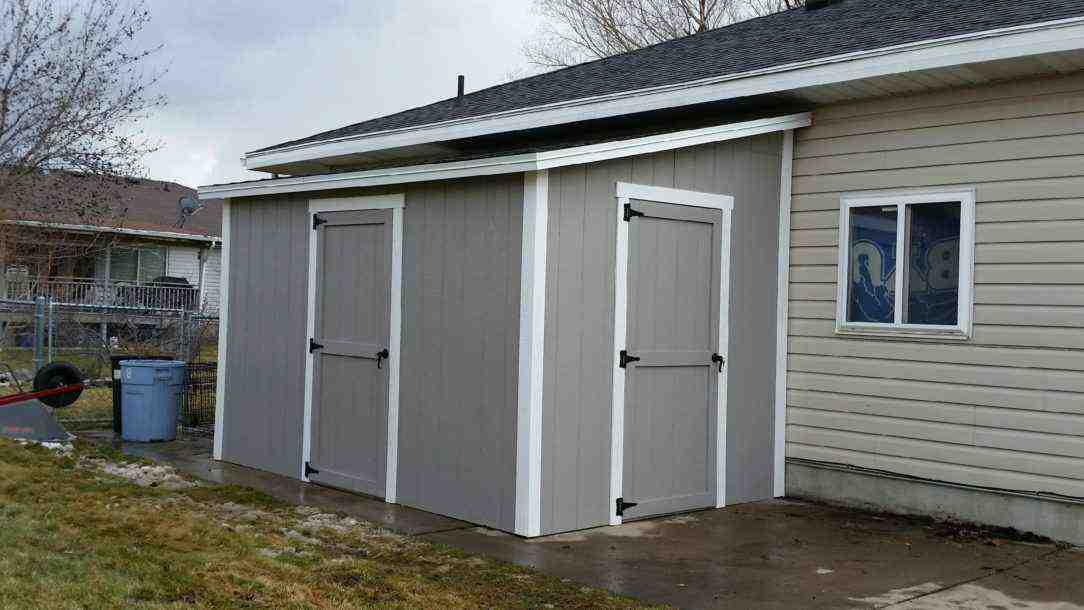
The primary allure of a lean wood shed lies in its space-saving design. By utilizing an existing wall, such as your home’s exterior or a sturdy fence, it maximizes storage without encroaching on your yard. This makes it an ideal choice for properties with limited space or narrow side yards.
Its single-sloped roof also contributes to its efficiency, ensuring simple water runoff and snow management. This is particularly beneficial in regions with heavy snowfall.
Beyond its clever design, a lean-to shed is remarkably cost-effective. With one less wall to construct, material and labor costs are often lower than for other shed styles. But don’t mistake cost-effectiveness for limited utility; the versatility of these sheds is truly impressive.
Here are some common uses for lean-to sheds:
- Garden tool storage: Keep your shovels, rakes, and potting soil organized and easily accessible.
- Lawn mower and yard equipment storage: Protect your valuable outdoor machinery from the elements.
- Firewood storage: An open-sided lean-to can provide excellent air circulation, crucial for seasoning wood for efficient burning.
- Potting shed: Create a cozy space for gardening projects, complete with a workbench and natural light.
- Small workshop: Ideal for hobbies or light DIY projects, especially when customized with shelving and adequate lighting.
- Pool equipment housing: Store pool noodles, nets, chemicals, and filters neatly out of sight.
The possibilities are truly endless, making the lean wood shed a flexible solution for nearly any outdoor storage need.
Construction and Materials: What Makes a Quality Shed
A shed is only as good as the materials and craftsmanship that go into it. For a lean wood shed, durability and longevity are key, especially when built to withstand varied weather conditions.
High-quality wood is the backbone of a resilient shed. For framing, look for pressure-treated lumber for elements close to the ground, like floor joists and skids. This treatment protects against rot, decay, and insect infestation.
This ensures your shed stands strong for decades. It’s important to choose the best Types of Wood to Use for Next Shed Build to make an informed choice.
Robust siding options include T1-11 and panel siding. Some premium panel siding comes with an impressive 50-year factory warranty, a testament to its enduring quality. This type of plywood-backed siding can also provide a clean, bright interior finish, making the shed a more pleasant place to work or store items.
The roof is a critical component for managing the elements. Quality options include 30-year architectural shingles, known for their durability and aesthetic appeal. Metal roofing is another excellent alternative, often backed by a strong warranty.
This provides superior protection against harsh weather and extends the roof’s lifespan. These materials should be chosen to withstand the heavy snow loads and temperature fluctuations common in your service area.
Quality construction methods involve robust framing, often using 2x4s for walls and roofs, spaced appropriately to meet structural integrity standards. This ensures that a lean wood shed can handle various environmental demands, providing a safe and secure space for your belongings year-round.
Planning Your Project: Size, Location, and Cost
Careful planning is the first step toward a successful lean wood shed project. Before any construction begins, it’s important to consider every detail, from site preparation to local regulations.
Site preparation is crucial for the longevity of your shed. A level area that allows for proper drainage is recommended to prevent moisture issues and ensure your shed remains stable and level over time. Common foundation options include a gravel pad with pressure-treated skids or concrete blocks.
Choosing the right location involves considering proximity to your house or fence and its integration with existing structures. It is also critical to check local building codes and homeowners’ association rules, as permits or size restrictions may apply. Verifying these regulations before starting your project is essential.
When it comes to size, popular dimensions like a 6×6 lean-to shed are often sought after for compact storage. This size offers ample space for garden tools or a small lawnmower without dominating your yard. For those needing more room, sizes like 10×10 are also highly favored for workshops or larger storage needs.
Custom dimensions can also be planned to perfectly fit a unique space and requirements. You can explore various layouts and plans, such as those found in Lean To Shed Plans – 4×8 – Step-By-Step Plans.
Regarding cost, it’s helpful to understand the components that contribute to the overall investment. For a DIY project, a significant portion of the expense goes toward lumber, siding, roofing, windows, and hardware, with costs varying by market conditions. Alternatively, a professional build offers a comprehensive solution that includes materials, labor, and quality assurance, saving you the time and effort of a DIY project.
Customization and Professional Installation
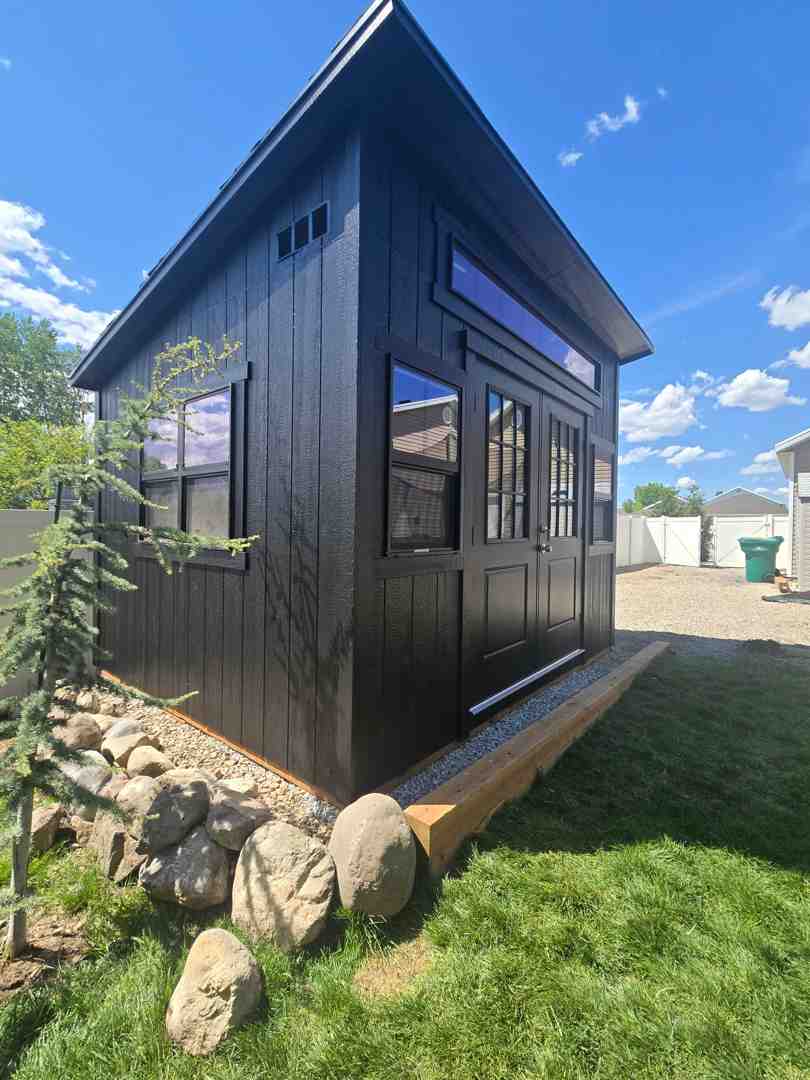
Many homeowners opt for professional, onsite installation for their lean wood shed. This approach allows for a high degree of customization and ensures the structure is built to fit the specific conditions of your backyard.
An onsite build means the shed is constructed piece by piece right in your backyard. This method ensures precision, allows for adjustments to perfectly fit the chosen location, and eliminates concerns about transport limitations for larger structures.
Professional builders can ensure a higher standard of quality than many pre-fabricated kits. While a DIY project might take a week or more of workdays, an experienced team can often complete the construction more efficiently.
Customization is where a lean wood shed truly becomes your own. Common options include:
- Doors: Choose from single, double, or custom-sized doors to ensure easy access for all your items, from lawnmowers to ATVs.
- Windows: Add windows for natural light, ventilation, and aesthetic appeal. Options range from functional sliders to decorative fixed panes.
- Shelving and Organization: Maximize your interior space with custom-built shelves, workbenches, and storage solutions designed to fit your specific tools and equipment.
- Ramps: Integrate a shed ramp for effortless entry and exit of wheeled equipment.
Durability is a key design consideration, but proper maintenance is essential to extending a shed’s lifespan. Staining or painting the exterior every few years protects the wood from UV rays and moisture. Regular inspections for pests and prompt repairs of any wear and tear will keep your lean wood shed looking great and functioning optimally for decades.
For peace of mind, look for a shed that comes with a robust warranty. Some high-quality panel siding, for example, includes an impressive 50-year factory warranty, which reflects confidence in the materials and construction.
While some shed companies provide guidance on suitable foundations, the homeowner is typically responsible for preparing the site. This ensures you have the best base for your shed, as the builder can then focus on delivering a superior structure.
_compressed.jpg?alt=media&token=3dbcf0a9-88d5-4186-ad7d-e62fbb2ee056 "Build a Lean Wood Shed Today and See Pricing")
Frequently Asked Questions About Lean-To Wood Sheds
How do you attach a lean-to shed to a house?
Attaching a lean-to shed to your house involves securing a ledger board to the house’s framing. This connection needs proper flashing to create a waterproof seal and prevent moisture intrusion into your home’s structure. Always consult local building codes and a structural engineer to ensure a safe and compliant installation.
Are lean-to sheds cheaper to build?
Yes, lean wood sheds are typically more affordable to build than other shed styles. Their single-slope roof and reliance on an existing structure for one wall reduce the amount of materials and complex framing required, making them a cost-effective and time-efficient option.
What is the best foundation for a lean-to shed?
For most lean wood sheds, a gravel pad with pressure-treated wood skids provides an excellent foundation. This option offers superior drainage, stability, and is cost-effective. For heavier sheds or specific ground conditions, concrete blocks or a poured concrete slab might be considered.
How can I customize my shed for maximum storage?
To maximize storage in your lean wood shed, plan your interior with vertical solutions. This includes built-in shelves, pegboards for hanging tools, and workbenches with integrated storage. Many builders offer custom options to help design layouts that ensure every inch of your shed is used efficiently for your specific needs.
What kind of warranty should I look for with a lean-to shed?
A good warranty is a sign of a quality shed. Look for comprehensive coverage that includes both materials and workmanship. High-quality components, like siding, may also come with a separate manufacturer’s warranty, some lasting as long as 50 years, which provides long-term peace of mind in your investment.
Choosing the Right Lean Wood Shed for Your Yard
A lean wood shed is a smart, space-saving solution for storage and organization in any yard. Its efficient design, coupled with its versatility, makes it an excellent choice for homeowners looking to declutter their homes and improve their outdoor living spaces. From providing a dedicated spot for garden tools to creating a quiet hobby workshop, these sheds offer immense value.
When choosing a shed, prioritize high-quality materials and construction methods suited to your local climate. Working with experienced builders can help you navigate sizing, materials, and local requirements, making the process seamless. With careful planning, your new lean wood shed will blend seamlessly with your home and serve your needs for years to come.