
Why Shed Kit Assembly Matters for Your Property
Shed kit assembly is a practical way to add organized storage space to your property without the complexity of building from scratch. This process allows homeowners to improve their backyard functionality quickly and efficiently. By following a structured approach, you can transform a flat-packed kit into a durable structure in just a few days.
From a structural engineering perspective, modern kits are designed to distribute weight evenly across the floor joists and wall studs, provided the assembly is executed with precision.
Quick Answer: Shed Kit Assembly Overview
- Time Required: 2-4 hours for resin/metal kits, 1-2 days for wood kits.
- Team Size: Minimum 2 people recommended for safety and efficiency.
- Essential Steps: Level foundation, assemble floor, erect walls, install roof, add doors.
- Key Tools: Impact driver, level, square, safety glasses, ladder.
- Foundation Options: Concrete slab, gravel pad, or pressure-treated wood platform.
- Common Challenge: Ensuring the foundation is perfectly level before starting.
Most homeowners find that the assembly process itself is straightforward when they follow manufacturer instructions carefully. The real difference between a weekend project and a frustrating ordeal comes down to proper site preparation and having the right tools ready. Whether you are working with a resin kit or a panelized wooden structure, the same fundamental principles apply. Understanding the physics of a “square” structure is vital; if the base is off by even half an inch, the roof panels will not align correctly at the peak.
At Wright’s Shed Co., we have been guiding customers through shed kit assembly and custom builds since 1997. While we specialize in onsite custom construction, we have helped hundreds of DIY customers understand the fundamentals of shed kit assembly to ensure their projects succeed the first time. My goal is to provide the technical knowledge necessary to avoid the common pitfalls of DIY construction.

Essential Preparation for Shed Kit Assembly
Before you open the box for your new shed kit, success hinges on thorough preparation. This stage sets the groundwork for a smooth build and prevents common headaches. We emphasize that a well-prepared site can cut assembly time significantly. Preparation involves more than just clearing a spot; it requires an understanding of soil compaction, drainage, and material science.
Understanding the different types of shed kits is the first step. Resin kits are known for quick assembly, often taking 2-4 hours, and are resistant to rot and insects. Metal sheds can be installed in 2-3 hours but require careful handling to avoid sharp edges and denting. Larger wooden kits might require a full day or more but offer the highest level of structural integrity and customization.
Gathering all materials and tools beforehand is crucial. Most kits include hardware and trim, but shingles and paint are typically not included. For a comprehensive overview, we have put together a guide on how to assemble a shed kit.
Choosing the Right Foundation for Your Shed Kit
A solid, level foundation is the backbone of any durable shed. Without it, your shed can settle unevenly, causing doors to jam and walls to warp. We advise all our customers to invest time in this critical step. A foundation must be able to support the “dead load” (the weight of the shed) and the “live load” (the weight of the items stored inside).
| Foundation Type | Pros | Cons | Ideal For |
|---|---|---|---|
| Concrete Slab | Most durable, permanent, pest-resistant. | Most expensive, requires professional skills. | Large sheds, workshops, heavy equipment. |
| Gravel Pad | Excellent drainage, relatively inexpensive, easy to level. | Can shift over time if not contained by a frame. | Medium sheds, garden storage. |
| Wood Platform | Easy to build, good for uneven ground, provides airflow. | Can rot if not pressure-treated; susceptible to rodents. | Smaller to medium sheds. |
For a concrete slab, a common recommendation is a size like 10’2″ x 8’2″ and at least 4 inches thick, using 3000 PSI concrete. If opting for a wood platform, you will need exterior-grade lumber secured with deck screws. Pressure-treated lumber should not directly contact metal components to avoid galvanic corrosion. For gravel pads, use 3/4-inch crushed stone rather than rounded pea gravel to ensure better compaction.
Tools and Materials Needed for Shed kit assembly
Having the right tools at hand makes all the difference in a smooth build. We recommend gathering everything before you begin to avoid interruptions. For more detailed guidance, check out our DIY Shed Building Guide.
Essential Tool Checklist:
- Safety Gear: Work gloves, safety glasses, hearing protection.
- Measuring: 25-foot tape measure, 4-foot carpenter’s level, framing square.
- Cutting: Hand or circular saw (for wood kits), utility knife, metal snips.
- Fastening: Cordless impact driver (with extra batteries), hammer, nut driver, caulk gun.
Site Preparation and Local Building Codes
Before any digging begins, it is paramount to understand local regulations. We build sheds across Utah, Idaho, Iowa, and Nebraska, and permit requirements vary significantly. Always consult your local building department to determine if your project requires a permit.
Key considerations include zoning laws and property setbacks, the distance the shed must be from property lines. You should also contact local utilities (call 811) to determine the location of buried lines. Ensure the ground is firm and well compacted to prevent settling over time.
Step-by-Step Guide to Fast Shed kit assembly
Once your site is prepped, the real fun of shed kit assembly begins. While every kit has unique instructions, we have identified general steps that apply across the board. These techniques ensure a fast and effective build while maintaining structural integrity.
Efficient Wall and Roof Construction Techniques
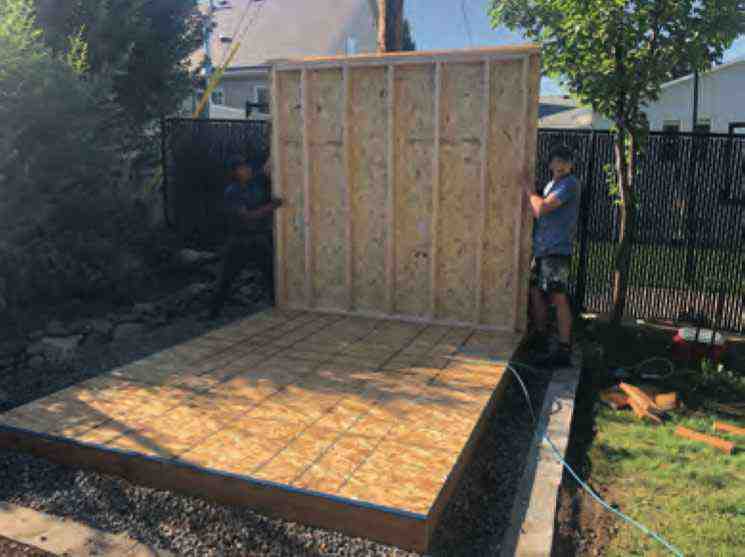
Start by unpacking and organizing all components. Lay out panels and hardware in the order they will be used. Verify all parts against your kit’s inventory list before starting. Missing a single specialized fastener can halt your progress for days.
Assemble the floor panels according to instructions and anchor them to your foundation. For wooden floors, ensure floor joists are spaced consistently, often 16 inches on center. This provides a stable base for the rest of the structure. Use a framing square to ensure the floor is perfectly rectangular; if the diagonals are equal, the floor is square.
Erecting the walls is where having a team of at least two people is invaluable. One person can hold panels steady while the other fastens them. Constantly check for squareness by measuring diagonally from corner to corner. If the walls are not plumb (perfectly vertical), the roof trusses will not sit correctly.
Install headers and door frames carefully to ensure they are level. Roof trusses are typically spaced 16 to 24 inches on center. Follow your kit’s instructions precisely for truss installation and roof sheathing. Apply roofing materials like drip edges and underlayment. If using shingles, follow the manufacturer’s pattern for staggering rows to prevent water infiltration. For more inspiration, you might find ideas on sites like Home Depot on Pinterest.
Troubleshooting Common Assembly Issues
Even with careful planning, issues can arise. Here are expert solutions to common problems:
- Misaligned Screw Holes: This usually indicates the structure is not level or square. Use a pry bar to slightly shift the base until the holes align.
- Gaps in Wall Panels: Ensure the floor is perfectly flat. Even a small hump in the foundation can cause panels to flare at the top.
- Binding Doors: If the door won’t close, the door frame is likely out of square. Adjust the shims under the floor frame to tilt the structure back into alignment.
Customizing and Maintenance for Longevity
Once the main structure is complete, finishing touches make it yours. Customizing your shed allows it to blend with your home’s aesthetic. Exterior painting is often the biggest visual change. Choose high-quality acrylic latex paint and sealant suitable for outdoor structures. A thorough caulking job around all seams, windows, and door frames is essential for weatherproofing.
A little regular maintenance ensures your shed serves you well for decades. At Wright’s Shed Co., we pride ourselves on building durable structures that stand the test of time. Regularly clear leaves, branches, and snow from your shed’s roof.
Heavy accumulation can damage the structure, while debris can trap moisture and lead to rot. Periodically inspect all fasteners and tighten any that have loosened due to thermal expansion and contraction. For more tips on getting the most out of your shed, explore our Shed Kit Guide.
Successful shed kit assembly relies on a level foundation and meticulous attention to the manufacturer’s instructions. While DIY kits offer a convenient solution, professional builders like Wright’s Shed Co. specialize in durable, onsite custom builds for those seeking premium craftsmanship. By using the smart techniques outlined in this guide, you can ensure your shed remains a functional and attractive part of your landscape for decades.

Frequently Asked Questions about Shed Kit Assembly
How long does it take to assemble a shed kit?
Most resin or metal kits take between 2 to 4 hours with a team of two. Larger wooden workshop kits may require a full day or a weekend depending on your construction experience and the complexity of the roof system.
Do I need a permit for a shed kit?
Permit requirements vary by city and county in states like Utah and Idaho. Generally, sheds under 120-200 square feet may not require a permit, but you should always consult your local building department or HOA to verify size limits and setback requirements.
What is the best foundation for a DIY shed?
A level concrete slab is the most durable option, but a gravel pad (using 3/4″ crushed stone) or a pressure-treated wood platform is often sufficient for smaller kits. Proper drainage is the most important factor in foundation longevity.
Can I assemble a shed kit by myself?
While small resin kits can sometimes be handled by one person, having at least two adults is highly recommended for safety. A second person is essential for holding wall panels steady while they are being secured and for lifting roof trusses into place.
How do I maintain my shed after assembly?
Regularly clear debris from the roof and lubricate door tracks annually with a silicone-based lubricant. Inspect the exterior for scratches or peeling paint and touch them up promptly to prevent rust in metal sheds or wood rot in timber structures.
Build with Confidence Through Expert Shed Kit Assembly
A well-executed shed kit assembly is more than just putting panels together, it’s about creating a structure that stays square, secure, and weather-resistant for years to come. When the foundation is level, the framing is aligned, and each step is handled with care, your shed becomes a dependable extension of your property. Taking the time to prepare properly and follow proven techniques ensures your investment delivers long-term value, functionality, and curb appeal.
If you’re ready to get started but want expert guidance, or prefer a professionally built solution, Wright’s Shed Co. is here to help. Whether you choose DIY or a custom onsite build, our team has the experience to make sure your project is done right the first time. Contact us today to discuss your shed project and take the next step toward a durable, beautifully built backyard structure.