
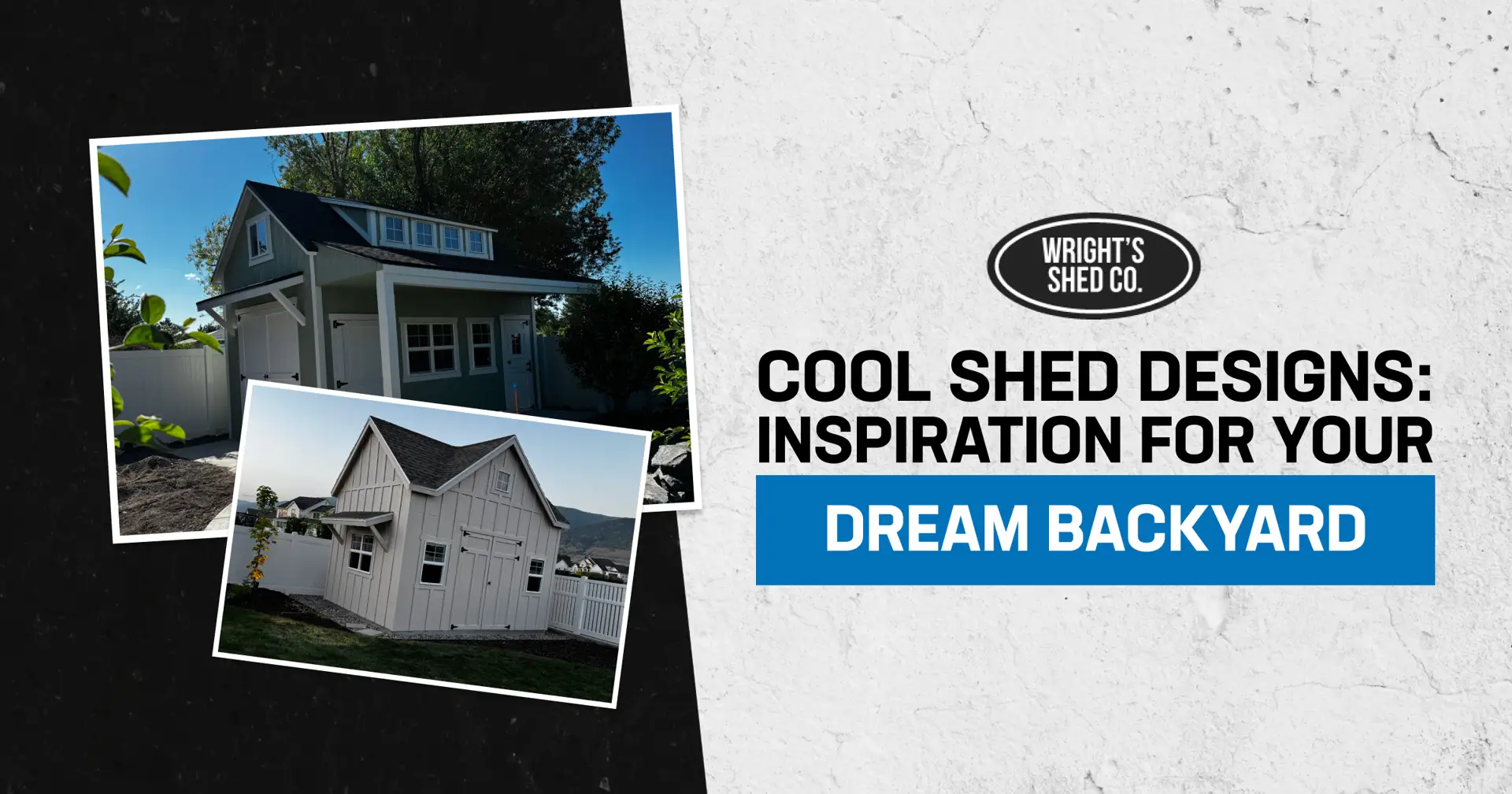
Top 5 Cool Shed Designs for 2026
Cool Shed Designs: Balancing Architecture, Function, and Climate Performance
Cool shed designs represent a synthesis of architectural intentionality and structural performance. A well-designed backyard building is defined by its ability to complement the primary residence while serving the specific ergonomic needs of the user. Beyond aesthetic appeal, a high-quality design accounts for site orientation, local climate variables, and the internal zoning of the space to ensure long-term utility.
This guide provides an expert overview of the following:
- Selecting cool shed designs that harmonize with existing residential architecture.
- Evaluating rooflines and layouts for optimal light infiltration and vertical storage.
- Technical specifications for materials and ventilation suited for the Intermountain West climate.
- Strategic planning for specialized uses such as home offices, fitness centers, and workshops.
- Essential considerations for site preparation and structural longevity.
Professional backyard construction involves designing structures that account for specific regional variables, including wind loads, snow accumulation, and seasonal moisture. Onsite construction is often the preferred method for custom builds, as it allows for precise leveling on prepared pads and ensures the structure can be integrated into restricted side-yard spaces.
To achieve a balance of form and function, experts focus on five primary design pillars:
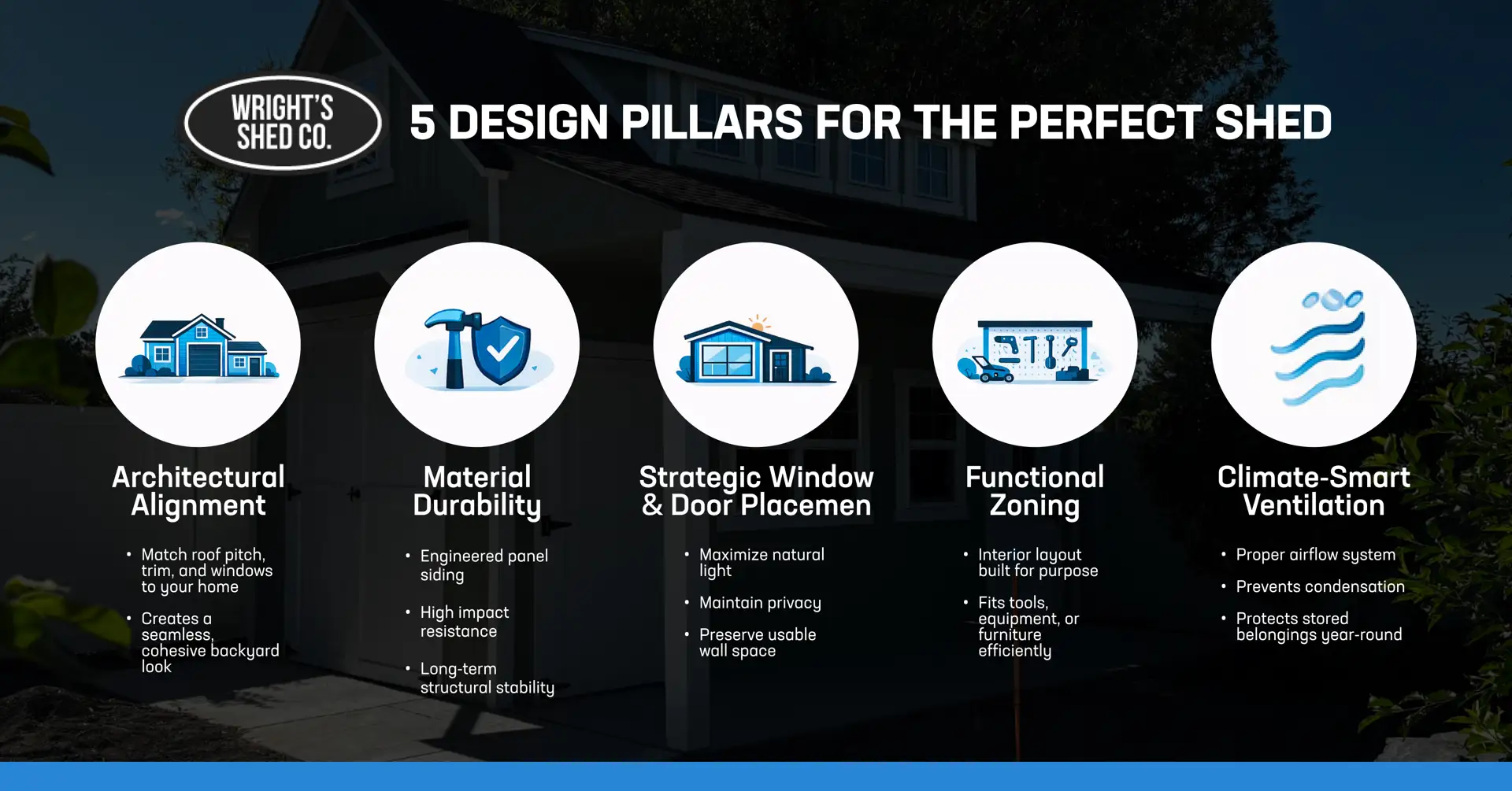
- Architectural Alignment: Matching roof pitches, trim profiles, and window styles to the main house.
- Material Durability: Utilizing engineered panel siding that offers high impact resistance and long-term stability.
- Strategic Fenestration: Placing doors and windows to maximize natural light without compromising privacy or wall utility.
- Functional Zoning: Designing the interior footprint to accommodate specific equipment or furniture layouts.
- Climate-Specific Ventilation: Implementing airflow systems that prevent condensation and protect sensitive contents.
For those seeking specialized inspiration, detailed resources are available regarding she shed for women or the creation of a backyard retreat shed.
Cool Shed Designs That Look Custom: Styles That Match Real Homes
Achieving cool shed designs requires moving beyond the concept of a simple storage box. The most successful structures are those that borrow architectural cues from the primary residence, creating a cohesive landscape. This involves a careful selection of exterior finishes and structural silhouettes.
Modern, Farmhouse, And Classic: Aesthetic Integration
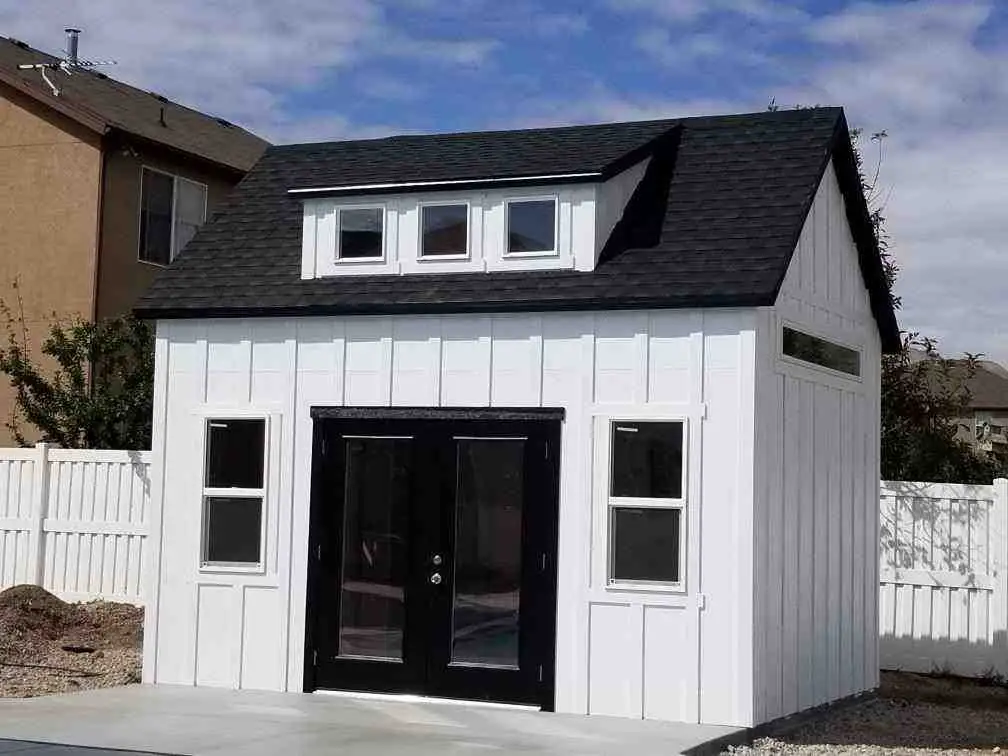
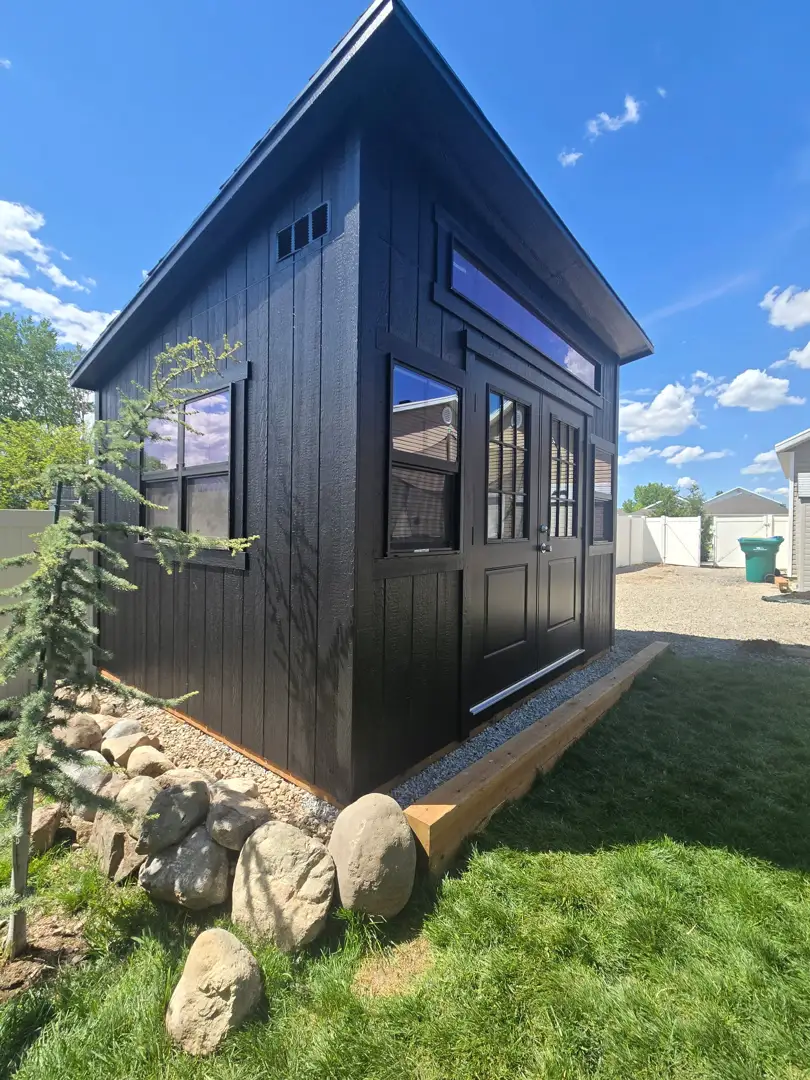
In regions such as the Treasure Valley or the Wasatch Front, architectural trends often dictate the direction of backyard structures. Modern farmhouse designs, characterized by crisp trim and vertical lines, remain a popular choice for their clean aesthetic. Conversely, contemporary homes often benefit from mono-slope designs that utilize modern siding colors and minimalist hardware.
Designers utilize the following framework for style selection:
- Roof Profile: A mono-slope (lean-to) suggests modernism; a gable roof offers a classic residential feel; a gambrel roof maximizes vertical storage via a loft.
- Detail Repetition: Incorporating the same trim widths and window grid patterns found on the main house ensures visual continuity.
- Contrast and Texture: Utilizing dark hardware against light siding or adding wood accents can define the building’s character.
The Utility of Board and Batten Siding
Board and batten is a preferred choice in cool shed designs for both aesthetic and practical reasons. The vertical shadows created by the battens add depth and height to small structures. Practically, this texture is more forgiving in dusty or windy climates, as it masks minor surface weathering better than smooth finishes.
Rooflines and Functional Volume
The choice of roofline is a critical engineering decision that impacts the building’s internal volume and weather shedding capabilities.
- Mono-slope (Lean-to): Ideal for modern studios. The single pitch allows for clerestory windows, which provide high-level natural light while maintaining wall space for furniture. For more on this style, see the custom lean-to shed guide.
- Gable: The standard for workshops, providing equal wall height and balanced interior clearance.
- Gambrel: The optimal choice for maximum storage, allowing for the installation of overhead lofts for seasonal items.
Fenestration and Interior Ergonomics
Window and door placement should be dictated by the interior floor plan. A common design error is placing a window where a desk or workbench is intended to sit. Experts recommend placing larger windows on the side of the shed facing the primary view and utilizing higher, horizontal windows on property lines to maintain privacy. For structures intended as retreats, a shed with a porch can provide a functional transition zone that protects the interior from debris.
Technical Details Behind High-Performance Cool Shed Designs
A structure only qualifies as a “cool” design if it maintains its integrity over time. In climates with significant temperature swings, technical specifications regarding foundations, materials, and ventilation are paramount.
Foundation and Site Logistics
The longevity of any shed is dependent on a level, stable base. An uneven foundation leads to structural racking, resulting in sticking doors and compromised seals. While builders provide the structure, homeowners are responsible for the foundation. Common industry standards suggest a compacted gravel pad or a reinforced concrete slab. For technical guidance on concrete specifications, the American Concrete Institute provides comprehensive resources.
Comparative Design Analysis
| Feature | Modern Studio | Lofted Barn | Traditional Gable |
|---|---|---|---|
| Roof Style | Mono-slope | Gambrel | Gable |
| Primary Utility | Office / Studio | High-Volume Storage | Workshop / General |
| Natural Light | High (Clerestory) | Moderate | Variable |
| Storage Capacity | Floor-centric | Maximum (Loft) | Moderate |
Material Specifications and Moisture Management
Material selection should prioritize durability and low maintenance. Engineered wood panel siding is frequently recommended due to its stability and resistance to fungal decay. Many of these panels carry a 50-year factory warranty (note: this warranty typically applies to the siding panels specifically, rather than the entire structure).
| Component | Material Recommendation | Benefit |
|---|---|---|
| Siding | Engineered Wood Panel | Impact resistance & 50-year warranty |
| Roofing | Architectural Shingles | Wind resistance & aesthetic match |
| Floor | Pressure-Treated Joists | Moisture & rot prevention |
Ventilation and Climate Control
Proper ventilation is a non-negotiable component of cool shed designs. Without airflow, temperature fluctuations cause condensation on the underside of the roof deck, leading to mold and tool oxidation. Effective systems include ridge vents for exhaust and soffit or gable vents for intake.
For those converting sheds into conditioned spaces like music rooms, understanding acoustic management is also vital; Redfin offers a helpful primer on soundproofing your space for such applications.
Designing for Specific Use Cases
- Backyard Offices: Prioritize electrical outlet placement and daylighting to reduce eye strain. Ensure the floor load capacity can support heavy office furniture.
- Home Gyms: Focus on subfloor reinforcement. Equipment should be positioned over floor joists to distribute weight effectively.
- Workshops: Maximize vertical wall space for tool storage by utilizing higher window placements.
Choosing Cool Shed Designs: A Simple Build Plan And Final Checklist
The transition from conceptualizing cool shed designs to physical construction requires a methodical approach to ensure the final product meets all functional requirements and local regulations.
The Professional Planning Framework
- Identify Primary Utility: Determine if the space is for storage, labor, or leisure, as this dictates the electrical and lighting requirements.
- Assess Site Access: Onsite construction allows for larger structures to be built in backyards with limited gate clearance.
- Select Roof Profile: Choose based on the required interior height and the desired aesthetic (Modern, Classic, or Barn).
- Optimize Interior Layout: Map out the placement of large equipment or furniture before finalizing window and door locations.
- Execute Site Preparation: Ensure a level gravel or concrete foundation is ready prior to the arrival of the construction crew.
Frequently Asked Questions about Cool Shed Designs
What are the most popular cool shed designs right now?
Modern studio sheds, lean-to sheds with clerestory windows, and farmhouse-inspired designs are trending. Clean lines, bold exterior colors, and glass doors are common features that blend storage with livable workspace appeal.
How do I choose the right cool shed design for my backyard?
Start by matching roof pitch, trim, and siding to your home. Then consider purpose—office, gym, or storage—and ensure the layout supports lighting, ventilation, and functional wall space.
Are cool shed designs suitable for year-round use?
Yes, if built with proper insulation and ventilation. Climate-smart features like ridge vents, engineered siding, and moisture control help maintain comfort and protect contents through seasonal changes.
Do I need a permit for cool shed designs?
Permit requirements vary by city and shed size. Many areas require permits for structures over a certain square footage or if electrical work is included, so check local building codes before construction.
How much do cool shed designs typically cost?
Costs depend on size, materials, customization, and site prep. Basic models are more affordable, while custom backyard studios with windows, upgrades, and onsite construction increase overall investment.
Investing in Cool Shed Designs That Perform Long-Term
Well-executed cool shed designs are more than visual upgrades, they are engineered structures that enhance property value, usability, and long-term durability. By aligning architecture with function, selecting climate-appropriate materials, and planning interior zoning carefully, homeowners can create backyard spaces that serve real daily needs.
From modern studio layouts to high-capacity lofted barns, the right cool shed designs combine structural performance with intentional style. When site preparation, ventilation, and layout planning are handled correctly, the result is a structure that performs as well as it looks.
If you’re ready to bring your backyard vision to life, explore custom options tailored to your property. Review available styles, compare roof profiles, and request a personalized quote to start designing a shed that fits your space and goals.