
Your Guide to Finding Durable Outdoor Sheds
A durable outdoor shed is built to withstand harsh weather, protect your valuables, and serve you for decades, not just a few seasons. A truly durable shed combines:
- Premium materials (high-quality wood, treated lumber, or heavy-duty resin)
- Weather-resistant construction with proper sealing and drainage
- Structural reinforcement including steel trusses and solid framing
- Quality siding with long-term warranties (like 50-year panel guarantees)
- Proper foundation to prevent shifting, warping, and moisture damage
Storing your mower, tools, and patio furniture is a common challenge for homeowners. A flimsy, poorly built shed quickly becomes a headache—leaking in storms, sagging under snow, and failing to protect the items you rely on. Not all sheds are created equal.
A durable outdoor shed is an investment that protects your equipment, increases property value, and provides versatile space. The difference between a shed lasting 5 years versus 30+ years is all about materials, construction quality, and proper installation. This guide covers everything you need to choose a shed that endures, from materials and features to avoiding costly mistakes.

What Makes an Outdoor Shed Truly Durable?
Investing in a durable outdoor shed means choosing a structure that will stand strong against weather, time, and constant use. It’s about peace of mind, knowing your valuable equipment is safe. A truly durable shed resists the elements, deters pests, and maintains its structural integrity for years, even in the diverse climates of Utah, Idaho, Nebraska, and Iowa.
Key indicators of durability include weather resistance to handle heavy snow and high winds, robust structural integrity from strong framing, high-quality materials treated to resist rot and pests, and long-term value that improves your property. A durable shed offers superior protection for your lawnmower, tools, and equipment.
We believe in building sheds that embody these principles, ensuring every structure we create is a lasting asset. You can read more about what makes a quality shed on our page about 5 Signs of a High Quality Shed.
Essential Features of a Built-to-Last Shed
When we talk about durable outdoor sheds, we’re considering every component that contributes to its longevity. Look for features that signify quality construction:
- Steel-Reinforced Doors: Doors are often a shed’s weakest point. Steel reinforcement prevents warping, ensures a tight seal, and improves security.
- Heavy-Duty Flooring Systems: A robust floor is crucial for storing heavy items like riding mowers or ATVs. Our sheds are designed for a solid foundation, which supports the floor and prevents moisture damage.
- Siding that Resists Rot and Pests: High-quality siding, like the LP SmartSiding we use, offers exceptional resistance to rot, termites, and fungal decay.
- Shed Roof Designs that Properly Shed Water and Snow: A well-designed roof with an appropriate pitch and steel trusses ensures quick drainage and strength against heavy snow loads.
- Proper Ventilation: Adequate airflow from screened vents prevents condensation and mildew, which can damage stored items and the shed’s structure.
Why a Flimsy Shed Costs You More in the Long Run
It’s tempting to opt for the cheapest shed, but initial savings are almost always erased by future costs. We’ve seen it countless times: a less durable option puts your valuable equipment at risk from leaks, pests, and structural failure.
A cheap shed might save you money today, but it often becomes a liability, costing you more in:
- Frequent Repairs: Patching leaks, replacing warped doors, or fixing damaged siding.
- Premature Replacement: Having to buy an entirely new shed much sooner than anticipated.
- Damaged Contents: The cost of replacing items ruined by moisture or poor security.
Consider the total cost of ownership, not just the sticker price. A durable outdoor shed is an investment that pays dividends in protection, longevity, and peace of mind. To understand more about the full financial picture, explore our article on the Hidden Costs of Owning a Storage Shed.
The Building Blocks of Durability: Shed Materials Compared
The material of your shed is the single most important factor in its longevity. Each type has its own set of pros and cons when it comes to creating truly durable outdoor sheds. Let’s break down the most common options.
Wood Sheds: The Gold Standard for Durability and Customization
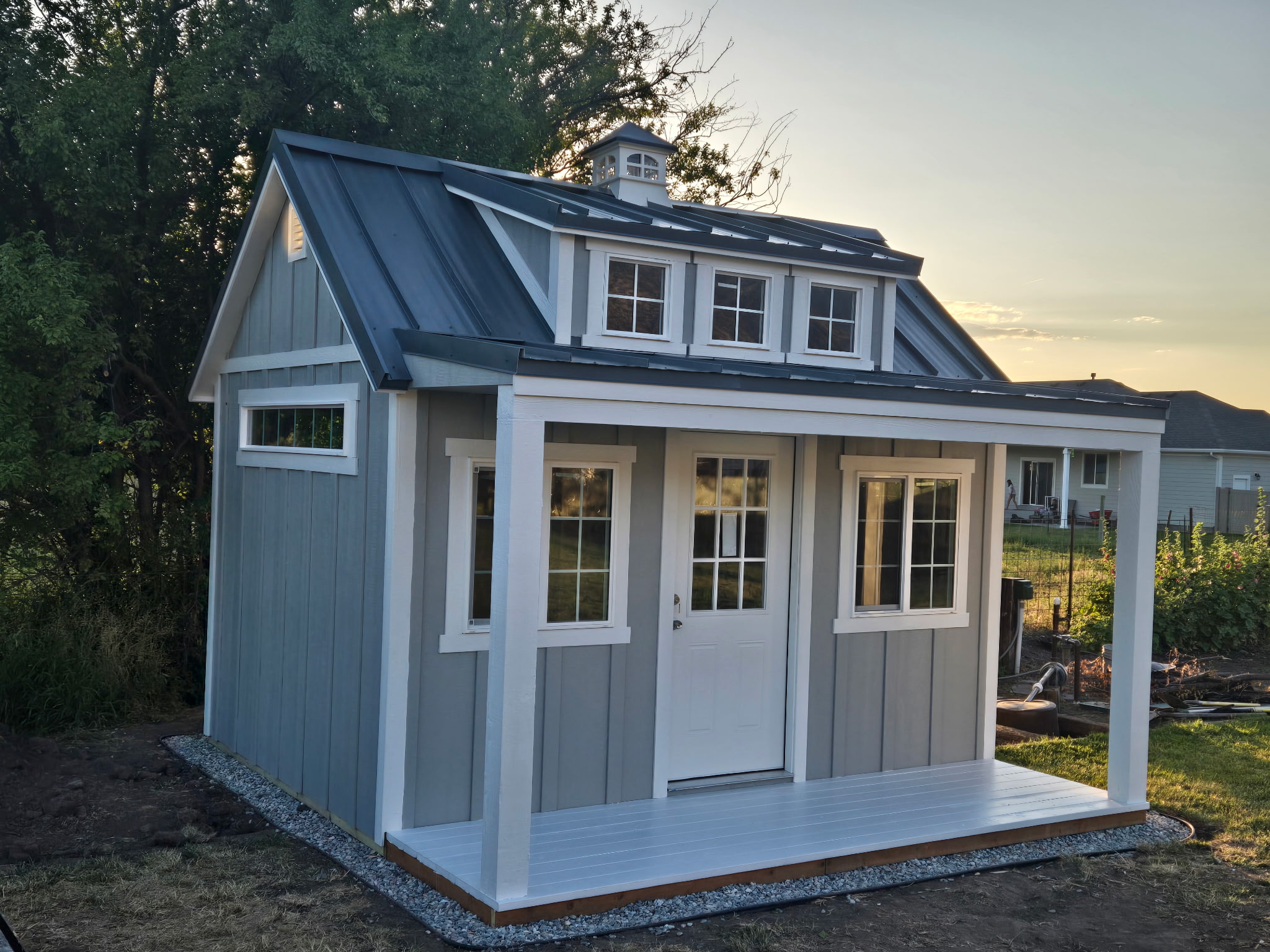
When it comes to durable outdoor sheds, wood is often considered the gold standard. We’ve been working with wood for decades, and its natural strength and classic aesthetic are undeniable. Wood sheds offer:
- Best Customization: From paint colors to roof styles, windows, and doors, wood sheds can be custom to perfectly match your home’s architecture and your personal taste.
- Superior Insulation Properties: Wood naturally provides better insulation than metal or plastic, making it more suitable for multi-purpose uses like workshops or offices.
- Exceptional Longevity: With proper care, a well-built wood shed can last for decades. As Kevin Connors, owner of Inspired Organizers, notes, the most durable sheds are often wood sheds built much like houses with compressed wood panels.
- Robustness and Repairability: Wood is sturdy and can withstand impacts. If damage occurs, wood is generally easier to repair than plastic or metal.
Our Wood Storage Sheds in Utah are a testament to this durability. We pride ourselves on building High Quality Custom Sheds that are truly “built to last.”
Resin (Plastic) Sheds: The Low-Maintenance Option
Resin sheds, typically constructed from high-density polyethylene (HDPE), are known for being a low-maintenance option. Often sold as easy-to-assemble kits, they are a popular DIY choice.
- Low Maintenance: Resistant to rot, rust, and insects, resin sheds don’t require painting and are easy to clean.
- Weather Resistance: Many models are UV-protected to prevent fading and cracking. Some feature translucent roof panels for natural light, while others use heavy-duty resins for extra durability.
- Design Versatility: The molding process allows for various patterns and textures that can simulate materials like wood or stone.
However, resin sheds have drawbacks. They can become brittle in extreme cold, have limited load-bearing capacity for heavy shelving, and offer minimal customization. Their typical lifespan is around 8 to 10 years, significantly shorter than a well-maintained wood shed.
Metal Sheds: The Budget-Friendly Choice
Metal sheds, typically made from galvanized steel, are a budget-friendly choice for durable outdoor sheds. They are resistant to fire and pests and are treated to prevent rust.
However, metal sheds also come with their own set of considerations:
- They are prone to denting, and scratches can lead to rust if not repaired.
- Without proper ventilation, they can suffer from condensation, which may damage contents.
- Aesthetically, they are often considered less appealing than wood and offer fewer customization options.
Choosing Your Perfect Shed: Size, Style, and Intended Use
A durable outdoor shed is only perfect if it meets your specific needs. Before you buy, think carefully about how you’ll use the space now and in the future. Our guide on How to Find the Perfect Storage Shed for You is a great resource to help you get started.
Sizing Up Your Needs: From Small Tool Sheds to Large Workshops
A common mistake is underestimating the required size. Measure your largest items (like a riding mower), inventory everything you plan to store, and then add extra space for future needs.
- Small Sheds (under 36 sq. ft.): Perfect for basic tools and small equipment.
- Medium Sheds (36-101 sq. ft.): Can hold push mowers and seasonal furniture.
- Large Sheds (over 101 sq. ft.): Ideal for riding mowers, ATVs, or as dedicated Outdoor Workshop Buildings.
Consider double doors for easy access to larger items.
Matching Style to Your Home and Yard
Your shed should complement your property. A well-chosen style improves aesthetics and integrates seamlessly into your landscape. Explore our Shed Styles Exploring Unique Versatile Options for inspiration on common designs like Ranch, Barn, and Lean-To.
With our custom-built options, you can match your home’s architecture by choosing the roof pitch, siding material, and trim color. We can even paint the siding to match your house. For more ideas, check out our tips on Shed Blending In Ideas.
Beyond Storage: Creative Uses for Durable Outdoor Sheds
A well-built shed is more than a storage box; it’s a blank canvas. The quality construction of our durable outdoor sheds makes them perfect for creative uses:
- Home Office or “Shed-quarter”: A quiet, dedicated workspace away from household distractions.
- Hobby Space: An art studio, craft room, or potting shed for gardening enthusiasts.
- Outdoor Playhouse: A magical space for kids, built to last through years of play.
- Personal Retreat: A She Shed for relaxation or hobbies.
- Specialized Structures: We build everything from a Storage Shed as Chicken Coop to specialty Vineyard, Orchard, and Farm Sheds.
- Larger Buildings: Our on-site construction extends to Detached Garages and versatile Lean-To Sheds.
The possibilities are endless when you start with a high-quality structure.
The Foundation of Longevity: Installation and Maintenance
The most durable shed can fail if not installed and maintained correctly. Proper site preparation and assembly are critical steps for a durable outdoor shed.
Preparing the Groundwork: Why a Proper Foundation is Non-Negotiable
A level, stable foundation is essential to prevent shifting, which can warp the frame and jam doors. It also lifts the shed off the ground, preventing moisture damage and rot.
Common foundation types include:
- Gravel Pads: A cost-effective option with excellent drainage.
- Concrete Slabs: The most permanent base, ideal for large sheds or workshops.
While we do not build foundations ourselves, we provide expert advice to ensure you have the right groundwork in place before our team arrives. Even with a built-in floor, a flat foundation is required for proper door function and drainage. For more details, consult our article on What Type of Foundation is Best for a Shed?.
Installation: DIY Kits vs. Professional On-Site Construction
You have two main paths for installation:
- DIY Kits: Our DIY Shed Kits can save money for the handy homeowner, but they require time, tools, and skill for proper assembly.
- Professional On-Site Construction: This is our specialty. Unlike pre-built sheds, our sheds and detached garages are built on-site by experienced craftsmen. This ensures a precise, high-quality build custom to your property. It saves you time, eliminates hassle, and is backed by our warranty, making it the ideal choice for a Storage Shed Built On Site that lasts.
Long-Term Care for Your Investment
A little maintenance goes a long way in maximizing your shed’s lifespan.
- For Wood Sheds: Periodically paint or seal the exterior to protect it from the elements, especially in the climates of Utah, Idaho, Nebraska, and Iowa.
- For All Sheds: Regularly inspect the roof, seals, and foundation. Keep gutters and vents clear to prevent moisture buildup.
Following these simple steps will extend the life of your shed. Learn more in our guide on How Long Should Your Shed Last?.
The Investment: Cost, Lifespan, and Warranty
Understanding the financial aspects of your purchase will help you choose a shed that provides the best value. As expert Kevin Connors of Inspired Organizers notes, the most durable sheds are often wood sheds built much like houses, highlighting the importance of quality construction.
The True Cost of a Shed: Upfront Price vs. Long-Term Value
When considering durable outdoor sheds, look beyond the initial price. A high-quality shed is an asset that adds value to your property, while a cheap shed is often a liability. A flimsy structure may seem like a bargain, but it often leads to costly repairs and fails to protect your valuables.
Investing more upfront in quality saves you money on:
- Repairs: Less damage from weather, pests, and wear.
- Replacements: A quality shed won’t need to be replaced every few years.
- Damage to Contents: Avoid the cost of replacing items ruined by leaks or poor security.
A custom shed from Wright’s Shed Co. is an investment in long-term value. Curious about customization? Read our article: Custom Shed Customization Is It Worth The Extra Cost?.
Understanding Lifespan and Warranty for Durable Outdoor Sheds
The lifespan of durable outdoor sheds varies by material and build quality:
- Resin sheds may last 8-10 years.
- Metal sheds can last 15-20 years with proper care.
- A high-quality wood shed, built with solid framing and premium siding, can last 20-30 years or more.
A strong warranty signals a manufacturer’s confidence. We stand behind our work and materials. For example, our siding panels come with an impressive 50-year factory warranty against rot, decay, and termites.
This warranty applies to the siding panels; the flooring’s longevity depends on a proper foundation. When you choose us, you’re investing in a product designed to last, backed by a comprehensive Warranty.
Frequently Asked Questions about Weather Resistant Sheds
What is the most durable material for an outdoor shed?
Wood is widely considered the most durable and long-lasting material for an outdoor shed, especially when built with quality lumber and construction techniques similar to a house. It offers superior strength, customizability, and repairability. While resin and metal sheds offer benefits like low maintenance and cost-effectiveness, they generally have shorter lifespans compared to a well-constructed wooden shed.
Do I need a permit to build a shed?
Permit requirements for sheds vary significantly by location and shed size. In Utah, Idaho, Nebraska, and Iowa, many smaller sheds (e.g., under 120 or 200 sq. ft.) may not require a building permit.
However, it is crucial to check with your local county or city building department before you begin any construction. This will help you understand local zoning laws, setback requirements, and any necessary approvals, ensuring your project complies with all regulations.
Do all sheds need a concrete foundation?
No, a concrete slab is not the only option for a shed foundation. However, all sheds, regardless of material, require a solid, level foundation to ensure stability, proper door function, and longevity. A properly prepared gravel pad is an excellent and often more cost-effective alternative for many sheds, providing good drainage and a firm base.
For heavier structures or those intended as workshops, a concrete slab might be preferable. We provide expert advice on foundation types, but we do not build them.
Building Your Future with Durable Outdoor Sheds
Choosing a durable outdoor shed is about making a smart, long-term investment in your property. By focusing on high-quality materials like wood, ensuring proper site preparation and installation, and understanding the true value over a lifetime, you can add a functional and beautiful asset to your home. A shed that’s built to last will protect your belongings, improve your property, and provide versatile space for whatever your needs may be—from a simple storage solution to a dedicated workshop, she shed, or even a specialized farm building.
At Wright’s Shed Co., we’ve been helping homeowners and businesses in Utah, Idaho, and Nebraska build lasting storage solutions since 1997. Our commitment to quality craftsmanship, premium materials, and on-site construction ensures that every shed we build is truly “built to last.” We understand the unique demands of our local climates and tailor our structures to meet those challenges, offering standard features that others consider upgrades.
To start designing a shed that’s truly built to last, contact our team in Idaho today.